







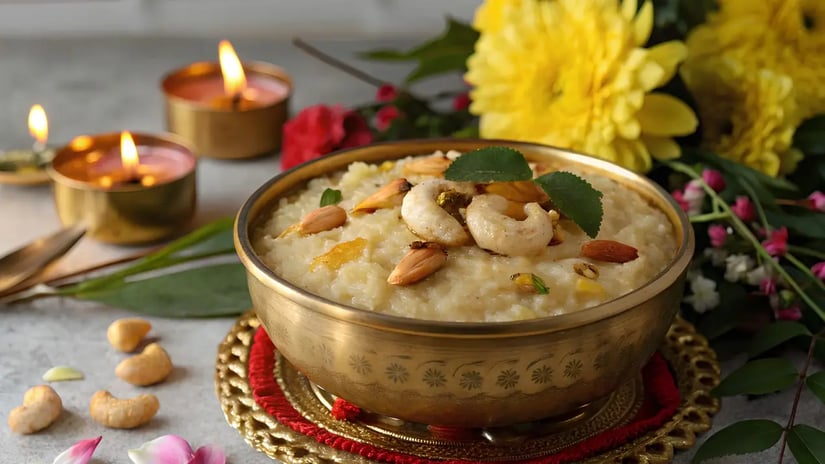


Get to know temple-style sweet pongal recipes inspired by traditional prasadam methods, focusing on jaggery balance, ghee aroma, soft texture, and slow-cooked techniques for authentic festive results at home.
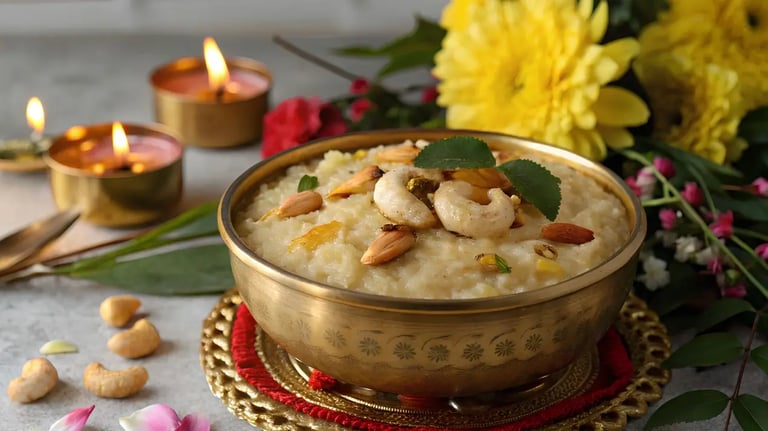
Temple-style sweet pongal follows a structured method developed to meet the demands of ritual cooking and large-scale preparation. The dish is cooked as an offering, which requires a stable texture, controlled sweetness, and predictable results across batches. For this reason, the process avoids improvisation and relies on precise handling of ingredients and heat.
The method prioritizes complete cooking of rice and lentils so they blend into a single cohesive base. This allows jaggery to integrate evenly without tightening the mixture. Jaggery syrup is kept fluid to prevent stiffness after resting, while ghee is introduced toward the final stages to preserve aroma and maintain softness. Spices are used sparingly to keep flavors uniform and balanced.
Each component is included for function rather than variation, ensuring consistency even when prepared in large quantities. These practices explain why temple-style sweet pongal retains its texture and flavor for extended periods. When followed at home, the same approach delivers a reliable, well-balanced dish that remains soft, aromatic, and suitable for festive serving without frequent adjustments or corrections.
5 Temple Style Sweet Pongal Recipes To Make At Home During The Festival
1. Sakkarai Pongal
Sakkarai Pongal is the most widely prepared sweet pongal in South Indian temples, especially in Tamil Nadu. It is offered as prasadam during Pongal and other auspicious days. The taste is jaggery-forward with balanced ghee richness and a soft, flowing texture. Rice and moong dal are cooked until fully mashed, then combined with strained jaggery syrup. Its reliability and ability to stay smooth for hours make it ideal for home preparation during festivals.
Ingredients (Serves 2–4):
- 120 g raw rice, rinsed well
- 40 g split yellow moong dal
- 180 g jaggery, powdered
- 500 ml water
- 250 ml milk
- 60 g ghee
- 15 g cashew nuts, halved
- 15 g raisins
- 3 g freshly crushed cardamom
Method:
- Moong dal is gently warmed in a dry pan until a mild nutty aroma appears, without allowing any color change. It is then cooked along with rice using water and milk until the grains collapse fully and form a thick, unified mass. The mixture should appear creamy, not grainy.
- Powdered jaggery is heated with a small quantity of water just until dissolved. The liquid is filtered to remove residue and kept warm without further reduction to preserve softness.
- The warm jaggery liquid is poured into the cooked rice mixture in stages, stirred slowly to maintain flow. The consistency is adjusted with hot water as needed, keeping the mixture loose.
- Ghee is heated in a separate pan. Cashews are fried until pale golden, then raisins are added. Cardamom is added at the end to retain fragrance.
- The ghee mixture is folded into the pongal. After a brief rest, the texture remains glossy and fluid, making it suitable for traditional temple-style serving.
2. Paal Sakkarai Pongal
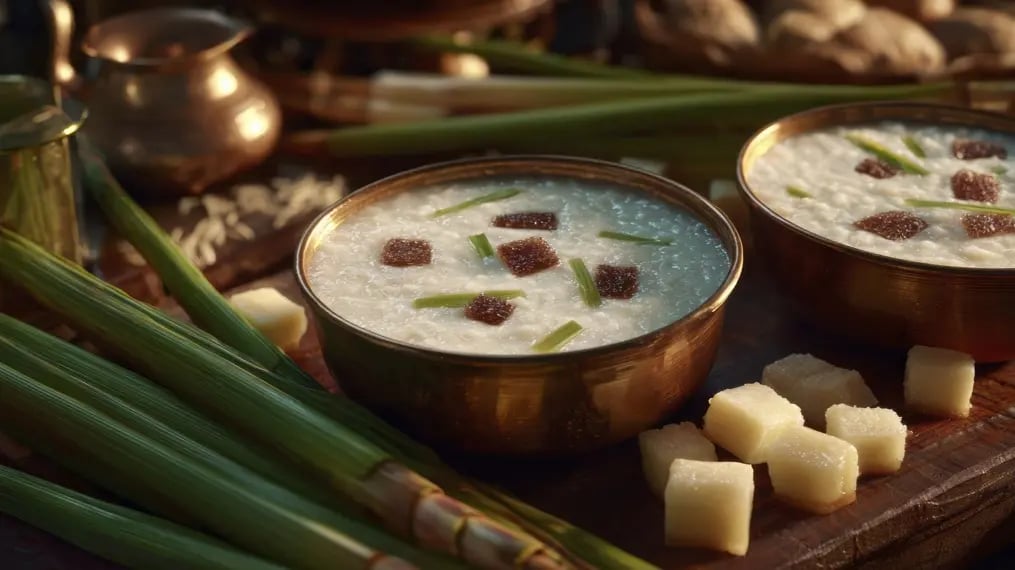
Paal Sakkarai Pongal is prepared in temples where milk plays a central role in offerings. A higher proportion of milk yields a lighter-coloured pongal with a gentler sweetness. The taste feels mellow, rounded, and less jaggery-heavy. Slow cooking prevents curdling and ensures a smooth texture. At home, this version suits those who prefer softer sweetness and a creamier finish while still following traditional temple methods.
Ingredients (Serves 2–4):
- 120 g raw rice, cleaned and rinsed
- 40 g split yellow moong dal
- 160 g jaggery, finely powdered
- 600 ml full-fat milk
- 180 ml water
- 50 g ghee
- 12 g cashew nuts
- 12 g raisins
- 3 g crushed cardamom
Method:
- Rice and lightly roasted moong dal are cooked together using milk and water over low heat. The mixture is stirred intermittently until the grains soften completely and lose individual identity, forming a thick, unified base.
- Jaggery is dissolved gently in warm water and filtered. The liquid remains thin and clear, ensuring it blends smoothly without tightening the cooked grains.
- The jaggery extract is added to the milk-cooked grains in small pours, allowing even absorption. Gentle heat helps flavors integrate without reducing moisture.
- Ghee is heated separately, and nuts are fried until aromatic. Cardamom is added off heat to preserve freshness.
- The ghee mixture is folded in, and the pongal is rested briefly. The final texture stays soft, pale, and fluid, ideal for traditional milk-forward temple offerings.
3. Karuppatti Sakkarai Pongal
Some temples prepare sweet pongal using karuppatti (palm jaggery) instead of regular jaggery. This results in a darker color and deeper, earthy sweetness. The taste is bold, slightly smoky, and less sharp. Cooking requires careful syrup preparation to avoid bitterness. At home, this version allows controlled use of palm jaggery, delivering a traditional flavor linked to older temple and village practices.
Ingredients (Serves 2–4):
- 120 g raw rice
- 40 g split yellow moong dal
- 170 g palm jaggery (karuppatti), grated
- 520 ml water
- 250 ml milk
- 55 g ghee
- 15 g cashew nuts
- 15 g raisins
- 2 g cardamom powder
Method:
- Moong dal is dry-roasted briefly, then cooked with rice in water and milk until the mixture turns thick, smooth, and cohesive. No grain structure should remain visible.
- Grated karuppatti is warmed with water until fully dissolved, then strained carefully. Heating stops early to prevent bitterness, keeping the liquid mildly sweet and aromatic.
- The jaggery liquid is mixed into the grain base over low heat. Slow folding ensures even sweetness and preserves the darker color typical of palm jaggery preparations.
- Ghee is heated separately, cashews and raisins are fried until golden, and cardamom is added last. This mixture is incorporated only after switching off heat.
- The pongal is allowed to stand briefly, during which flavor deepens and color stabilizes. The final result stays soft with a pronounced earthy sweetness unique to palm jaggery.
4. Ghee Prasadam Sakkarai Pongal
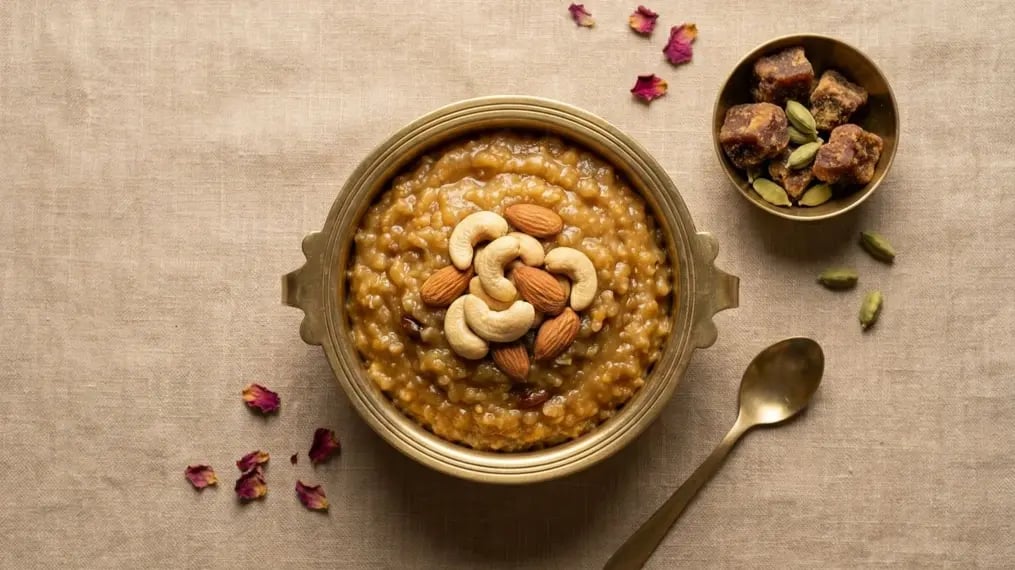
Certain temples are known for their ghee-aromatic sweet pongal, where ghee is layered generously at the final stage. The taste feels rich yet clean when balanced correctly. Cashews and raisins fried in ghee add texture and aroma. This version works well at home because richness can be adjusted while preserving the glossy finish and softness typical of temple prasadam.
Ingredients (Serves 2–4):
- 120 g raw rice, washed
- 40 g split yellow moong dal
- 180 g jaggery, crushed
- 520 ml of water
- 250 ml milk
- 70 g ghee
- 20 g cashew nuts, broken
- 15 g raisins
- 3 g crushed cardamom
Method:
- Moong dal is lightly heated until aromatic, then cooked with rice using water and milk until the mixture becomes thick, smooth, and fully blended. The texture should spread naturally when stirred.
- Jaggery is melted separately with water and filtered carefully. The liquid remains loose and warm, without reduction, to protect softness later.
- The jaggery liquid is mixed into the grain base under low heat, allowing sweetness to integrate evenly without altering texture.
- Ghee is warmed separately. Cashews and raisins are fried lightly. Cardamom is added at the end for fragrance.
- The fried ghee mixture is added just before serving. The pongal appears glossy, aromatic, and rich, yet remains soft and flowing.
5. Cardamom Temple Sakkarai Pongal
Many temples keep spice usage extremely limited, relying only on mild cardamom and optional edible camphor. The taste highlights rice sweetness, jaggery clarity, and ghee aroma without distraction. Cooking focuses on precision and consistency. At home, this style feels authentic and manageable, producing a sweet pongal that remains mild, stable, and suitable for traditional festival offerings.
Ingredients (Serves 2–4):
- 120 g raw rice
- 40 g split yellow moong dal
- 175 g jaggery, grated
- 540 ml water
- 250 ml milk
- 55 g ghee
- 12 g cashew nuts
- 12 g raisins
- 2 g freshly crushed cardamom
- A very small pinch of edible camphor (optional)
Method:
- Rice and roasted moong dal are cooked together until completely broken down. The base should feel smooth and cohesive, without visible grain separation.
- Grated jaggery is dissolved in water and strained. Heating stops as soon as it becomes clear, preserving natural sweetness.
- The jaggery liquid is mixed into the grain base under low heat, allowing sweetness to integrate evenly without altering texture.
- Ghee is warmed separately, cashews and raisins are fried lightly. Cardamom and optional camphor are added in minimal quantities to avoid dominance.
- The pongal rests briefly before serving. The final dish remains mild, balanced, and aromatic, reflecting temple practices where clarity of flavor is prioritized over richness.
Conclusion:
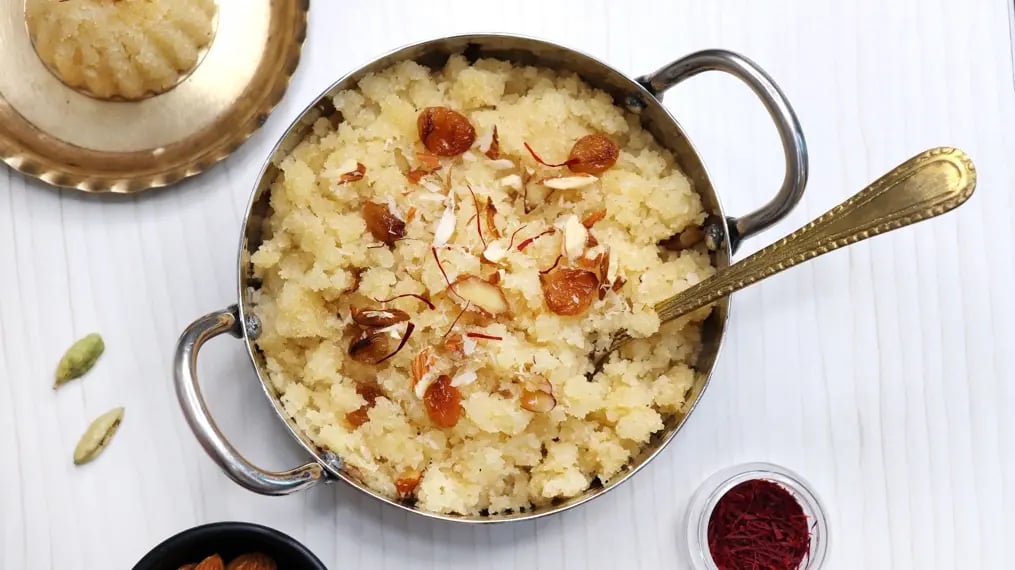
Temple style sweet pongal recipes emphasize precision, restraint, and consistency. By following measured techniques and disciplined ingredient handling, these preparations deliver stable texture, balanced sweetness, and lasting aroma. Recreating them at home brings traditional method and festive reliability together, allowing the dish to retain its ritual character while fitting seamlessly into home celebrations.
Like This Article?
More Like This



Popular Articles


Trending Web Stories


Curated Recipes