



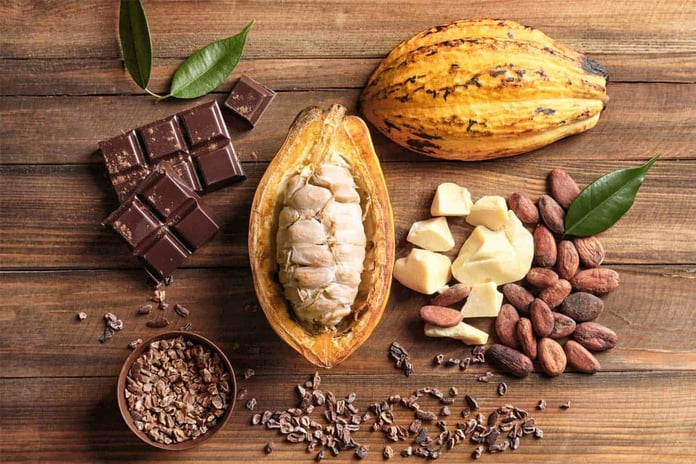


Master chocolate basics with this Chocolate 101 guide, learn how chocolate is made, explore types of chocolate, and discover tips to use it perfectly in desserts.
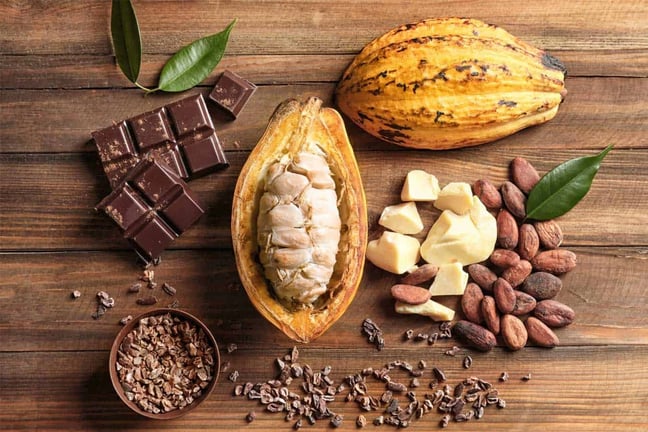
If you’ve ever wondered what goes into your favorite chocolate bar, this chocolate 101 guide is the perfect place to start. Chocolate is one of the most loved ingredients across the world, used in everything from simple desserts to gourmet creations. Understanding how chocolate is made, the different forms it comes in, and how to use it correctly can completely change the way you bake and enjoy desserts.
From cocoa beans grown on tropical trees to the smooth, rich bars you see in stores, chocolate goes through a fascinating journey. Along the way, its flavor, texture, and quality are shaped by processing techniques and the ingredients used. Learning about the types of chocolate helps you choose the right one for recipes—whether you want something rich, creamy, or mildly sweet.
This guide also covers essential chocolate facts, helping beginners understand everything from cocoa percentages to practical uses in cooking. Whether you’re baking brownies, making ganache, or simply curious about your favorite treat, this beginner-friendly breakdown will give you the confidence to work with chocolate like a pro.
What Is Chocolate? Understanding the Basics
Chocolate is made from cocoa beans derived from the cacao tree (Theobroma cacao). These beans go through several processes before becoming the chocolate we consume.
Understanding the Basics
- Cocoa beans are harvested from cacao pods.
- The beans are fermented to develop flavor.
- They are then dried and roasted.
- Roasted beans are ground into cocoa solids and cocoa butter.
- These components are combined to create different types of chocolate.
This foundation is essential to understanding both how chocolate is made and the wide variety of chocolate products available today.
How Chocolate Is Made – From Bean to Bar
Understanding how chocolate is made helps you appreciate its flavor and quality. Here is the step-by-step process:
Harvesting
Cocoa pods are picked from cacao trees and opened to extract the beans.
Fermentation
Beans are fermented for several days to develop flavor and reduce bitterness.
Drying
The beans are sun-dried to remove moisture.
Roasting
Beans are roasted to enhance aroma and flavor.
Grinding
Roasted beans are ground into chocolate liquor (a paste of cocoa solids and cocoa butter).
Refining & Conching
The mixture is refined and smoothed to improve texture and taste.
Tempering & Molding
Chocolate is tempered for shine and snap, then molded into bars, chips, or other forms.
The Main Types of Chocolate
Understanding the types of chocolate is key to using them correctly in recipes. Each type differs in sweetness, texture, and cocoa content.
Dark Chocolate
Dark chocolate contains a high percentage of cocoa solids and little to no milk. It has a rich, slightly bitter taste and is commonly used in baking, ganache, and gourmet desserts. Its intense flavor makes it ideal for balancing sweetness in recipes.
Milk Chocolate
Milk chocolate includes cocoa solids, milk, sugar, and cocoa butter. It has a creamy texture and a sweeter, milder flavor. It is widely used in confectionery, desserts, and everyday treats due to its smooth taste.
White Chocolate
White chocolate is made from cocoa butter, milk, and sugar but contains no cocoa solids. It has a sweet, creamy, and slightly vanilla-like flavor, making it perfect for decorative use and flavor contrast in desserts.
Unsweetened Chocolate
Also known as baking chocolate, this is pure chocolate liquor with no added sugar. It is used in recipes where sweetness needs to be controlled manually, such as brownies or cakes.
Ruby Chocolate
Ruby chocolate is a newer variety known for its natural pink color and fruity taste. It offers a unique flavor profile that is slightly tangy and sweet, making it popular in modern desserts.
How Cocoa Percentage Affects Flavor
One of the most important chocolate facts is the cocoa percentage mentioned on chocolate packaging. This percentage indicates how much cocoa solids and cocoa butter are present.
Higher cocoa percentages mean stronger, more intense, and slightly bitter flavors, often preferred for baking and dark desserts. Lower percentages result in sweeter and creamier chocolate, commonly found in milk chocolate. Understanding this helps you select the right chocolate for your recipes and achieve the desired taste and texture.
How Chocolate Is Used in Cooking and Baking
Chocolate has countless uses in cooking and baking, depending on its type and flavor intensity.
Cakes and Brownies
Dark chocolate is commonly used for rich, deep-flavored cakes and brownies, adding intensity and moisture.
Ganache and Truffles
Chocolate is melted with cream to create ganache or shaped into truffles for smooth, indulgent desserts.
Mousses and Cream Desserts
Chocolate adds flavor and texture to light desserts like mousse, giving them a creamy consistency.
Beverages
Hot chocolate and chocolate-based drinks are popular uses, combining cocoa with milk and sugar.
Decorative Elements
Chocolate is also used for drizzles, shavings, and coatings to enhance presentation.
Interesting Facts About Chocolate
Ancient Origins of Chocolate
Chocolate was originally consumed as a bitter ceremonial drink in ancient Mesoamerica, long before it became sweet.
Cocoa as Currency
The Aztecs valued cocoa beans so highly that they used them as currency for trade.
Food of the Gods
Cacao was called “food of the gods,” reflecting its importance in ancient cultures and rituals.
White Chocolate Difference
White chocolate contains no cocoa solids, making it technically different from other types.
Baking Preference
Dark chocolate is often preferred in baking because it balances sweetness and enhances flavor.
How to Choose the Right Chocolate for Recipes
Dark Chocolate for Rich Desserts
Use dark chocolate for brownies, ganache, and intense desserts where bold flavor is needed.
Milk Chocolate for Sweet Recipes
Milk chocolate works well in creamy desserts where a softer, sweeter taste is preferred.
White Chocolate for Contrast
Use white chocolate for decoration or to add sweetness and visual contrast to desserts.
Unsweetened Chocolate for Control
Use unsweetened chocolate when you want to control sugar levels in baking recipes.
Storage and Handling of Chocolate
Proper Storage Conditions
Chocolate should be stored in a cool, dry place away from sunlight and humidity to maintain quality.
Avoid Temperature Fluctuations
Changes in temperature can cause blooming (white streaks), which affects appearance but not safety.
Keep Away from Strong Odors
Chocolate absorbs odors easily, so store it in airtight containers away from strong-smelling foods.
Maintain Texture and Flavor
Proper storage ensures chocolate retains its smooth texture, shine, and original taste.
Frequently Asked Questions
What is chocolate made of? 
Chocolate is made from cocoa solids and cocoa butter derived from cocoa beans. Depending on the type, it may also include sugar, milk, and flavorings. These ingredients determine the texture, sweetness, and overall taste of the chocolate.
What are the main types of chocolate?
The main types include dark chocolate, milk chocolate, white chocolate, unsweetened chocolate, and ruby chocolate. Each type differs in cocoa content, sweetness, and usage in desserts and baking.
Is white chocolate really chocolate?
White chocolate contains cocoa butter but no cocoa solids. While it is technically different from dark or milk chocolate, it is still considered a type of chocolate product.
Why does cocoa percentage matter?
Cocoa percentage determines how strong or sweet chocolate tastes. Higher percentages mean more intense flavor, while lower percentages result in sweeter, creamier chocolate suitable for lighter desserts.
Like This Article?
More Like This



Popular Articles


Trending Web Stories


Curated Recipes