





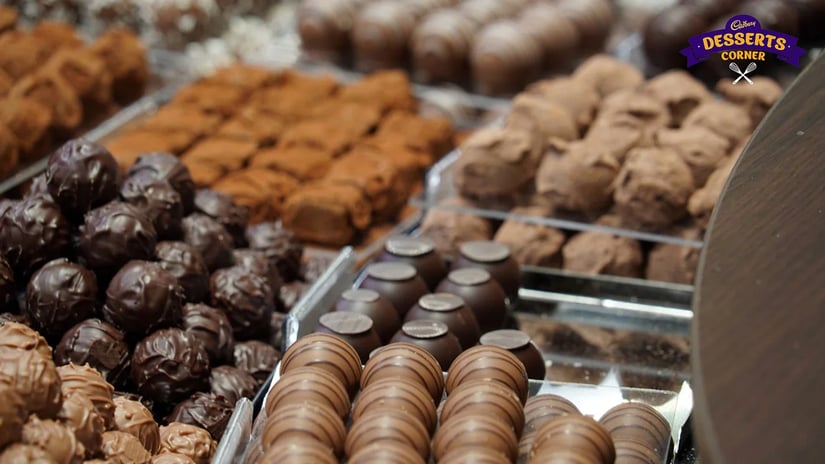


Switzerland is known for its impeccable chocolates, but what else does this snowy country offer in its desserts? We take a look and make it easier for you to relish and buy souvenirs the next time you visit the winter wonderland.
Switzerland is known for its snow-capped Swiss mountains, with Matterhorn taking the crowning glory. It also has delicate alpine foliage and beautiful azure lakes that make for picture-perfect postcards and wallpapers. What does such a beautiful snowy country offer when it comes to desserts? Let’s take a look at the world’s capital for the finest chocolates; who knows, Willy Wonka might be hiding in his magic factory among the Swiss.
What Makes Swiss Desserts Special?
Swiss desserts are popular because they perfectly blend the culinary cultures of German, French, and Italian origin. Powered by the world-famous Alpine dairy, chocolate factories, and world-class craftsmanship, Swiss desserts are all about premium, wholesome experiences that define luxury like nothing else.
1. Swiss Chocolate
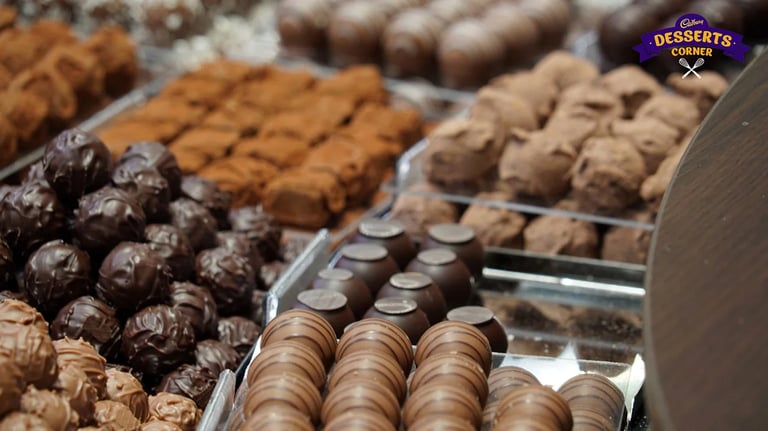
Switzerland is famous for its chocolates, which is why this tops the list; it is world-famous. With its origin in Bern, Swiss chocolates like Toblerone adhere to high-quality standards, which have been honed and perfected over centuries, earning them their impeccable reputation. The ingredients might not be indigenous, but their skill and dedication have made Switzerland renowned for its chocolates. Different Swiss companies offer different kinds of chocolates, differing in the ingredients used, be it nuts, condensed milk, berries, or preservative-free chocolates.
2. Brischtner Nytlä
This traditional dessert of Switzerland is also known as Gedörrte Birnen Mit Rahm, which is made with dried pears, red wine, sugar, and then topped with whipped cream, and cooked over a stovetop. The preparation begins by simmering sugar and a small amount of water in red wine over medium heat. This reduces the liquid into a syrup. Pears are then cooked in the infused wine mixture until they soften. The pears are then quartered, discarding the stem and seeds, and returned to the pan. Once it cools down, the pears are neatly put on a plate with the syrup poured over them and whipped cream on top.
3. Chriesisturm
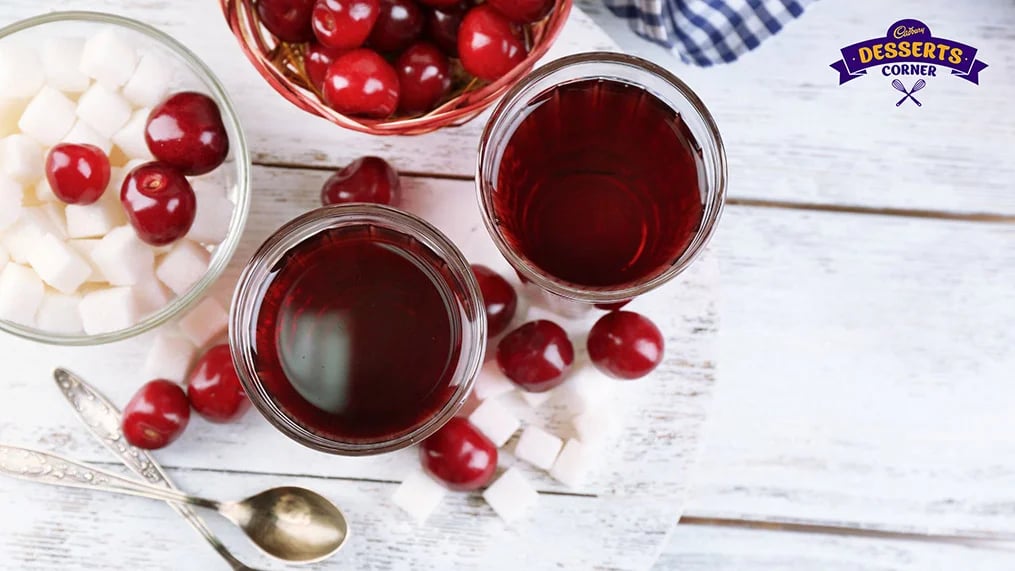
Switzerland is known for its local cherries, and Chriesisturm is nothing but cherry compote made from locally grown fresh Swiss cherries. This also goes by different names – Chriesibrägel, Kirschenmus, Compote de Cerises – all of which mean the same thing. Besides the cherries, this dessert features a slurry of cornflour that thickens the cooking liquid into a richly hued sauce. Vanilla and cream lend further layers of flavor. Toasted breadcrumbs or cubes of leftover zopf bread are stirred in or sprinkled over each serving for textural contrast. cherries.
4. Torta di Pane Ticinese
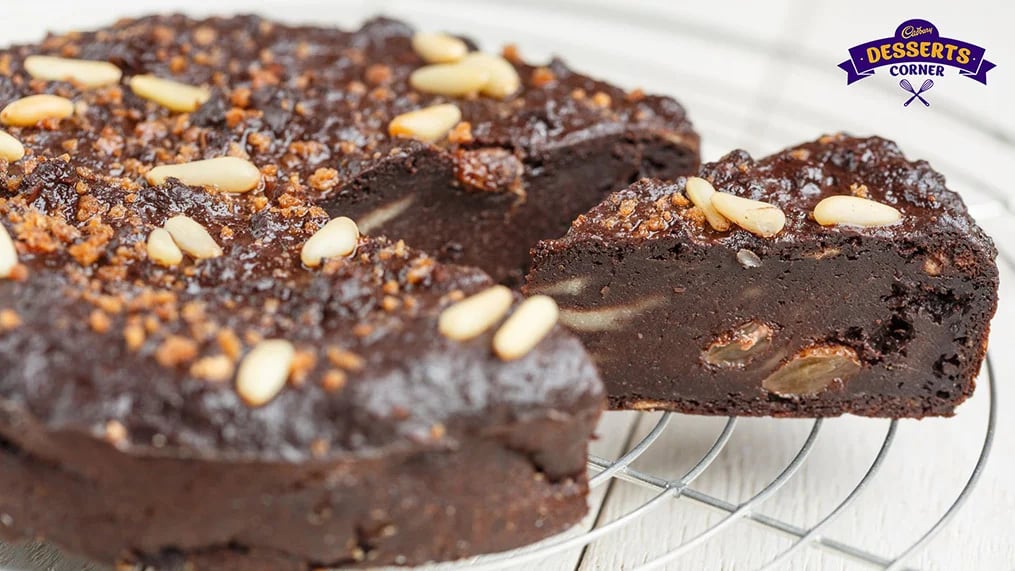
Torta di Pane Ticinese takes leftover bread and transforms it into a sweet treat. Translating to "bread cake" from Italian, this dessert repurposes stale bread - in this case, the cantonal bread Pane Ticinese. Rather than tossing day-old loaves, home bakers tear or cut the bread into pieces to form the base. Additional ingredients like milk, eggs, sugar, and flavorings bring the simple components together into a moist and tender cake. Served freshly baked or the next day, flavors only improve with time.
5. Luxemburgerli
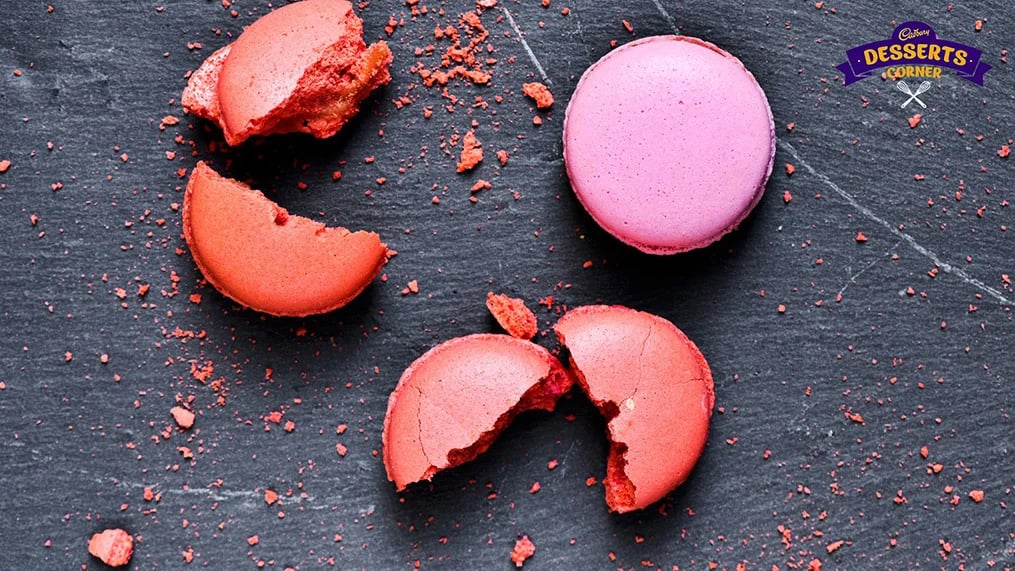
Invented 60 years ago by the Swiss confiserie (Confectionery) Sprungli, Luxemburgerli are perfectly bite-sized macarons that melt in the mouth. Available in various flavors, with or without alcohol, choosing just one is difficult. Raspberry, salted caramel, and champagne are favorites, made using sugar, eggs, almonds, butter, and cream for smooth fillings. The flagship Zurich cafe on Paradeplatz offers sampling, as do stores nationwide. Beautifully packaged boxes make ideal gifts for loved ones to enjoy these Swiss delicacies.
6. Zuger Kirschtorte
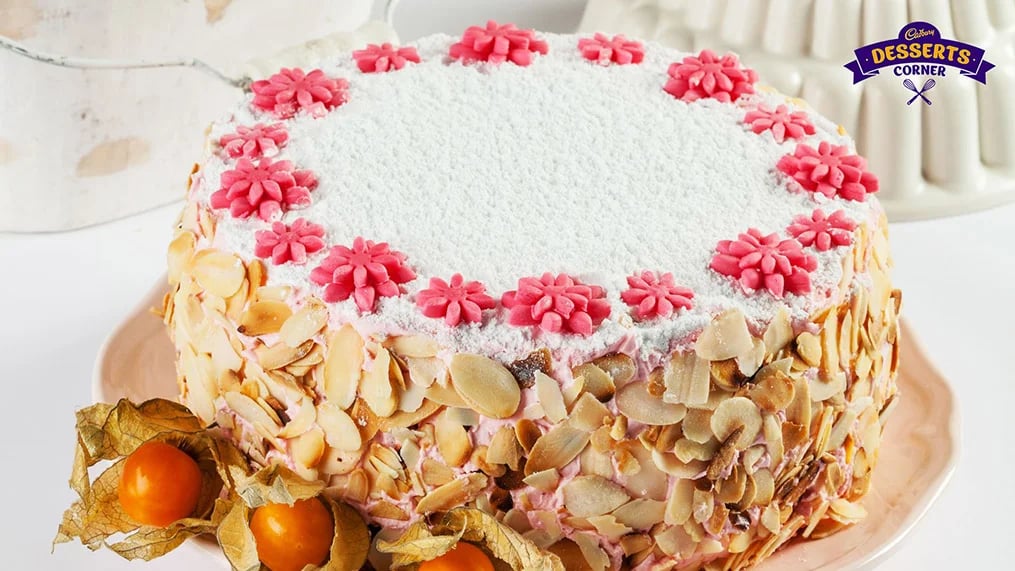
Zuger Kirschtorte is one of Switzerland's most beloved desserts. This multi-layered cake originated in the town of Zug, created by pastry chef Heinrich Höhn at his coffee shop Treichler in the early 20th century (likely 1915). Light sponge cake forms the base, layered with a rich nut meringue buttercream filling. The sides of the cake are coated in roasted almonds, adding crunch and contrasting the soft interior. A final dusting of icing sugar ensures a sweet, indulgent finish. Höhn's creation became instantly popular. Its fame has only grown over time, finding fans amongst many global celebrities.
7. Berliner
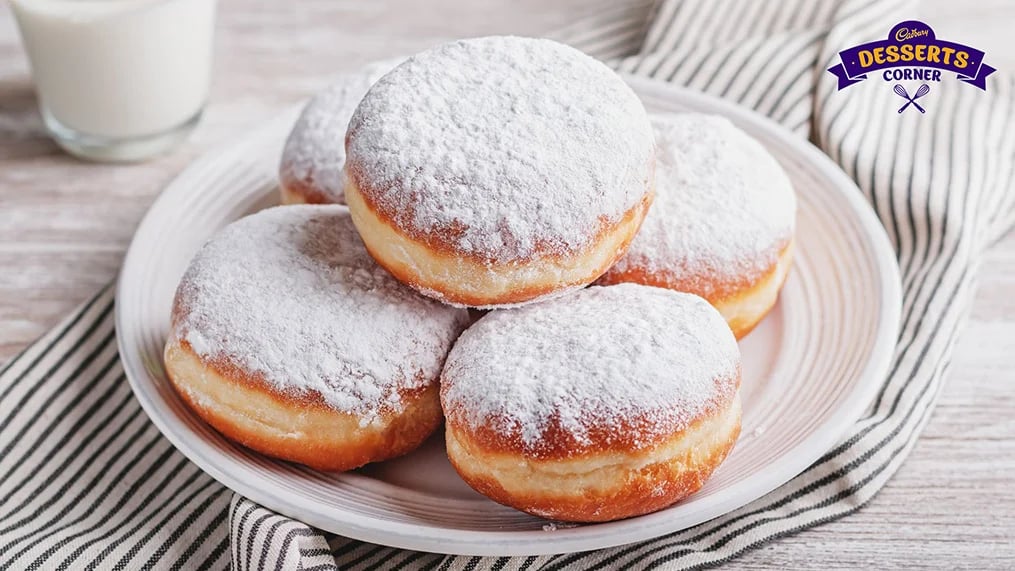
A Berliner is a Swiss doughnut without any hole in the center, made from sweet yeast dough fried until golden. It is then filled with jam, marmalade, or other spreads before being dusted with a light coating of powdered sugar. While apricot filling is a classic European choice, strawberry jam versions are also popular. Other fillings like custard or chocolate provide tasty twists. Some Berliners are left unfilled altogether for those who prefer the light dough on its own. Found in bakeries and supermarkets across Switzerland, they make frequent appearances on picnic spreads and sightseeing snack breaks.
8. Erdbeerroulade
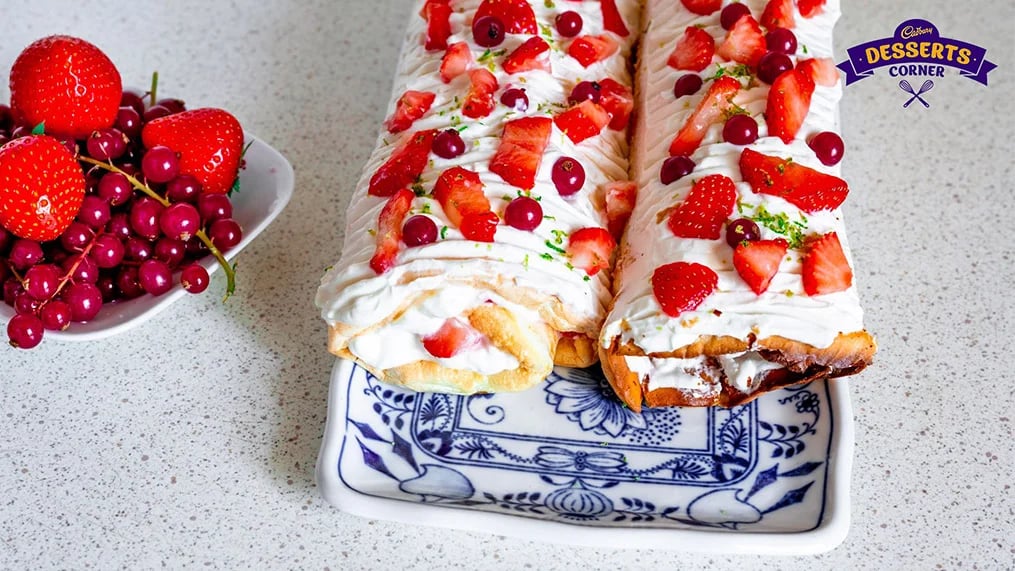
A Swiss-style rolled cake celebrates Switzerland's summer's fleeting strawberry season. Within its layers lies a light yet sturdy sponge soaked in berry essence. A reliable sponge recipe forms the base, imparting a slight chew. Its baked sheet is rolled immediately to set its shape. Filling options showcase whatever berries ripen. Whipped cream is mixed with berry puree and chopped fruit. Strawberry reigns as the classic flavor. Rolling preserves summer's flavors long after its brief season passes. Each bite allows the sponge to soak up the filling's juices while showcasing the berries' peak sweetness.
More Swiss Sweets Worth Knowing
Basler Läckerli: This is a traditional Swiss gingerbread biscuit made with the goodness of honey, almonds, candied peel, and Kirsch. It is topped with a distinctive sugar glaze.
Engadiner Nusstorte: It is a traditional Swiss tart filled with a rich, caramelized mixture of chopped walnuts and cream encased within a sweet shortcrust pastry.
Tirggel: This Swiss Christmas biscuit is a delicious blend of flour, honey, and spices. Here, the biscuit dough is pressed into picture-molding designs before baking.
Meringues: These crisp, airy, light confections are made by whipping egg whites and sugar together and baking them at a low temperature.
Frequently Asked Questions
What is the most famous Swiss dessert? 
While the list of famous Swiss desserts is quite long, Zuger Kirschtorte is widely considered Switzerland's most famous traditional dessert.
What do the Swiss eat at Christmas?
While there are no specific Christmas staple Swiss dishes, Fondue Chinoise and Raclette are the most popular main dishes served for Christmas in Switzerland.
Is Swiss chocolate the only famous Swiss dessert?
No. Swiss chocolate is not the only famous Swiss dessert. In fact, the country has a rich tradition of making delicious pastries, tarts, and regional confections that are internationally famous.
What is Zuger Kirschtorte?
Zuger Kirschtorte is a traditional Swiss layer cake originated in the town of Zug, created by pastry chef Heinrich Höhn at his coffee shop Treichler in the early 20th century.
What is Brischtner Nytlä?
Brischtner Nytlä is a traditional Swiss dessert from the canton of Uri, specifically from the region around the village of Bristen in the Maderanertal.
What are traditional Swiss cookies called?
Traditional Swiss cookies and biscuits are generally called Guetzli (or Weihnachtsguetzli for Christmas varieties) in German-speaking Switzerland.
Like This Article?
More Like This

Popular Articles


Trending Web Stories


Curated Recipes