







Winter calls for cozy comfort in every way; these 6 warm winter desserts are local favorites when the weather gets chilly.

Warm Indian winter desserts include moong dal halwa, gajar ka halwa, til ladoo, nankhatai, gond ke ladoo and jalebi. They rely on warming ingredients like ghee, jaggery, sesame, and nuts to bring comfort in cold months.
Why Indian Winter Desserts Are Warm and Ghee-Rich
As the temperature drops, the craving for comforting, warm foods intensifies. Ghee, jaggery, sesame, gond, and nuts are classic ingredients that add richness and keep the body warm during winters. Seasonal red carrots are also a star in classic gajar ka halwa, a dessert especially popular during winter.
These delectable offerings not only satisfy your taste buds but also provide much-needed warmth in the chilly weather.
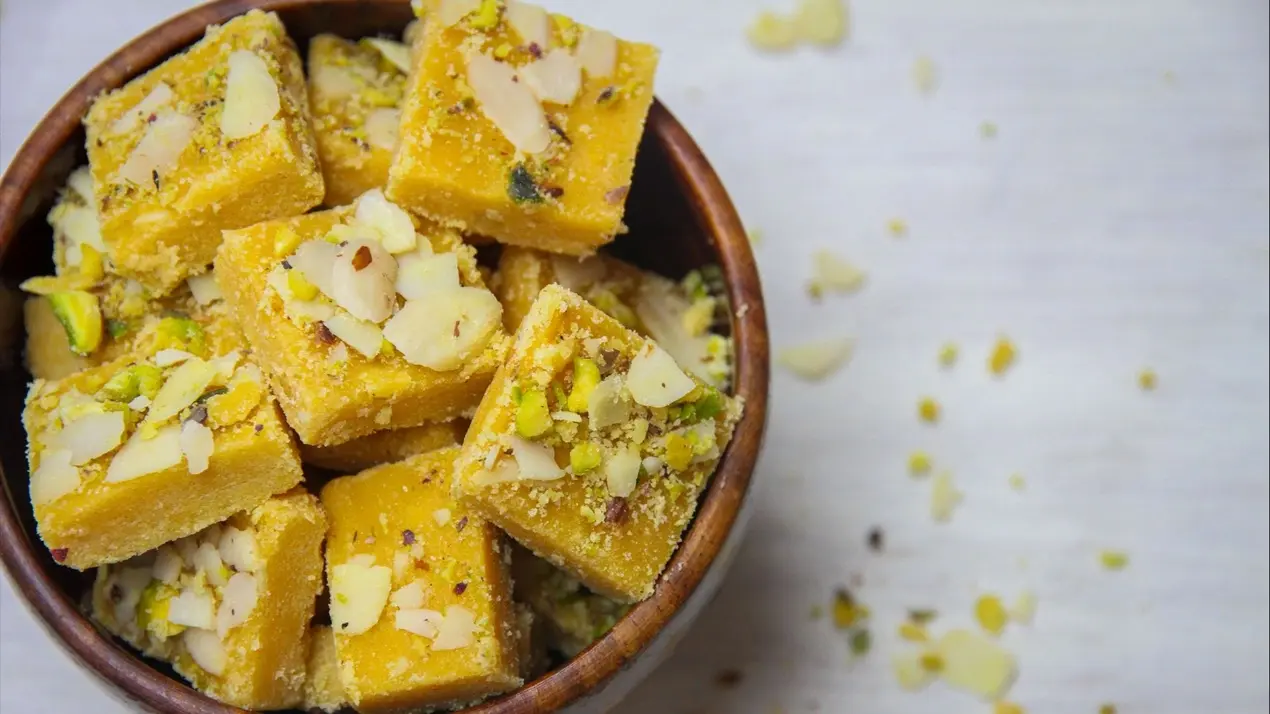
Moong Dal Halwa

A winter favorite, especially in the north of India, moong ki dal ka halwa is cherished for its richness in pure ghee and the comforting warmth it imparts. Although crafting this ghee-infused delicacy demands effort, the end result is truly worth it. It takes around 45-60 minutes or more to cook with constant stirring in order to roast the lentils so that they do not stick and burn. Furthermore, its extended shelf life adds to its appeal, making it a portable treat suitable for any time of the day.
Gajar Ka Halwa
Winter brings with it a host of seasonal vegetables, and among them are the delightful red carrots. With the weather cooling down, the brilliant crimson delights pave the way for the irresistible gajar ka halwa. Nothing quite matches the charm of this exquisite sweet made with grated carrots, milk, khoya, and sugar. To give this Indian dessert for winter a modern twist, try garnishing it with some shaved Cadbury Dairy Milk or a drizzle of melted chocolate before serving.
Til Ladoo
Crafted with toasted sesame seeds, crushed peanuts, jaggery, and cardamom, the classic til ladoo boasts an irresistible taste. Enriched with ghee, this sticky delight carries a warm potency, promising to keep you snug and content throughout the winter. It stands out as a fantastic winter treat.
Nankhatai
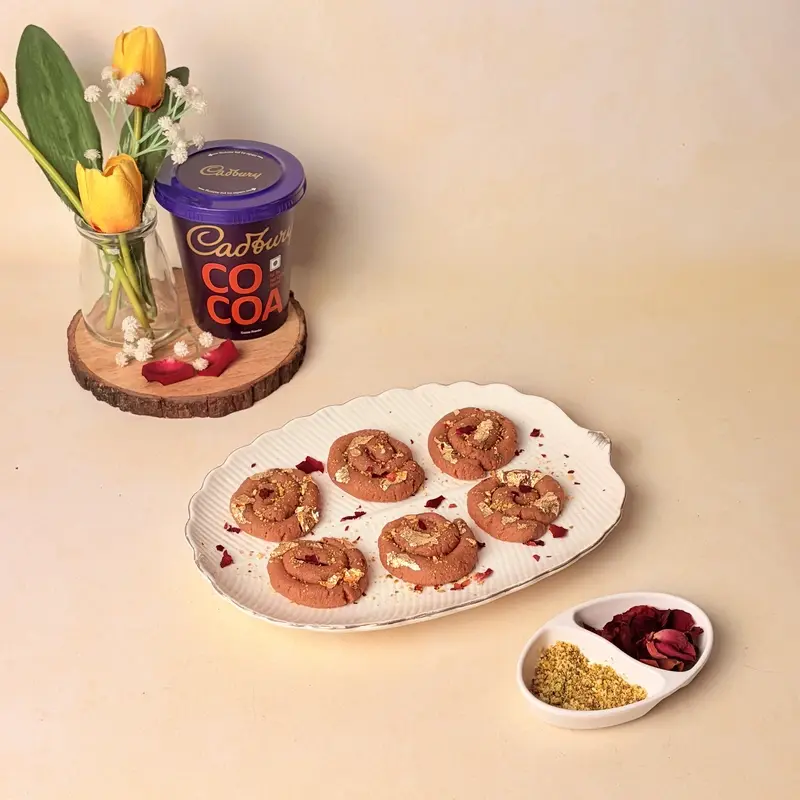
A traditional Indian cookie-like delight, Nankhatai is fashioned from all-purpose flour, semolina, butter or ghee, and powdered sugar, and adorned with cardamom and pistachios. Bake these delightful cookies to enjoy at your leisure, especially after meals. Though not a warm winter dessert, nankhatai is best eaten fresh with a hot cup of chai on a chilly day.
Gond Ke Ladoo

Contrary to the notion that gond ke ladoo is exclusively a nutritious remedy for expectant women or new mothers, this warming delight is a sweet indulgence for anyone. Crafted from wheat flour, edible gum, sugar, ghee, melon seeds, almonds, elaichi, and more, this treat is bound to leave you craving more.
Jalebi
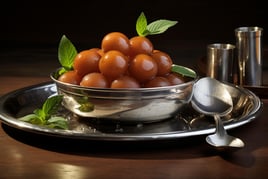
Delectable spirals of deep-fried dough are squeezed artistically into bubbling hot oil and then plunged into sugar syrup. If that doesn’t make your mouth water, nothing will! This unique Indian dessert is served warm, often alongside savory chickpea crisps called fafda for a perfect sweet and salty breakfast in winter.
More Winter Sweets Worth Trying: Pinni, Lapsi, Gajak and Gur Ki Kheer
- Pinni: A rich sweet dish made of wheat flour, ghee, jaggery or sugar, and nuts that is traditionally enjoyed during the winter.
- Lapsi: A sweet dish made of broken wheat, ghee, and jaggery or sugar that is traditionally prepared in the state of Rajasthan.
- Gajak: A crunchy sweet made of sesame or peanut brittle that is associated with the state of Uttar Pradesh and the city of Meerut in particular.
- Gur Ki Kheer: A comforting sweet dish of rice pudding that is sweetened with jaggery and is popular in several states, including Punjab and Bihar.
Tips for Making Winter Halwas and Ladoos
- Roast on low flame: Roast the flour/lentils/nuts gently on a low flame in ghee, so as to avoid burning and get a nice flavor.
- Add jaggery wisely: While making sweet dishes in milk, allow the mixture to cool down a little before adding jaggery to it, to prevent curdling.
- Store ladoos correctly: Store ladoos in an airtight container upon cooling. It is better to refrigerate them if they contain perishable ingredients like fresh coconut or milk products.
Frequently Asked Questions
Why are Indian sweets eaten more in winter? 
Many Indian sweets for winter are made using seasonal products like sesame, jaggery, nuts, ghee, etc., characteristic of the local winter diet.
Which Indian dessert is best for winter?
The most common are Gajar ka halwa, moong dal halwa, and gond ke ladoo, which are popular choices. It depends on personal preferences and the customs of a particular region.
Is gond ke ladoo only for new mothers?
No. Gond ke ladoo are traditionally given to new mothers, but many people like to eat them in winter.
Can I make winter sweets with less sugar?
Yes. You can reduce the amount of sugar to your liking or use less sweet jaggery. Note that the consistency and taste of some warm winter desserts change significantly.
How long do til ladoos last?
Til ladoos, when stored in an airtight container at a temperature not higher than room temperature, can last for about two or three weeks, depending on the recipe and the amount of moisture in the product.
Can I use jaggery instead of sugar in halwa?
Yes. You can use jaggery instead of sugar in the recipe for Indian dessert halwa. However, keep in mind that jaggery will give the dish a more intense flavor and a darker color.
Like This Article?
More Like This


Popular Articles


Trending Web Stories


Curated Recipes