






Rasgulla
Rasgulla
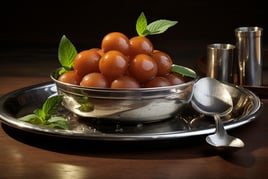
Heat milk and curdle it with lemon juice or vinegar. Drain and knead the chenna until it is smooth. Make balls out of the chenna and boil them in a covered pot with sugar syrup until they become spongy.
Rasgulla is naturally eggless. It is made from chenna or curdled milk solids kneaded into a smooth dough and cooked in sugar syrup. This traditional Bengali sweet contains no eggs.
Rasgulla is not baked in an oven, and the chenna balls are made by boiling them in sugar syrup on the stove in a wide, covered pot, which allows the balls to grow evenly and develop their characteristic texture.
The main ingredients are full cream milk, a souring agent like lemon juice or vinegar to curdle the milk, and sugar to make the syrup. Sometimes a little rose water or cardamom is added for the aroma.
Rasgulla generally remains fresh for four to five days if refrigerated in its syrup in an airtight container. It is very important that the balls are completely covered with the syrup so that they do not dry out and harden.
A hard or chewy rasgulla is often caused by a syrup that was not boiled vigorously enough or by underkneaded chenna. If there is too much water in the chenna dough before boiling, the balls may crack.
Most sweets that use syrups are just boiled in syrup, but for rasgulla, there is a special technique that kneads the chenna and then cooks it in a covered pot.
Serve chilled rasgulla with a drizzle of rabri for a fun and easy twist on the classic dessert, or mix it up into a quick fruit trifle, or serve it with fresh fruit and a scoop of ice cream.
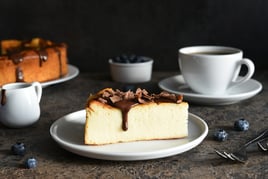
The light milk chocolate drizzle and shavings do not overpower the delicate, syrupy sweetness of the Rasgulla. A milder, sweeter chocolate usually works better with this dessert, as dark chocolate can overwhelm the subtle flavor.
Popular Bengali sweet brands make spongy and fresh Rasgullas all the time, but homemade Rasgullas taste much better and are fresher than most of the packaged, store-bought ones.