









Coffee
Coffee
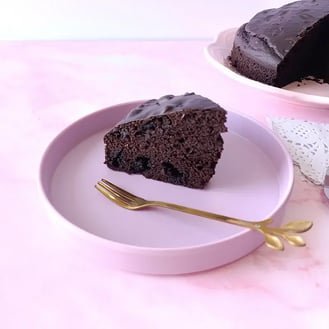
Here is a simple and easy way to make a Coffee Chocolate Dessert at home, combine melted chocolate with brewed coffee or espresso, cream, milk, and sugar. Depending on your favorite recipe, chill the mixture as a mousse or pudding, or layer it with biscuits for a rich flavor and attractive color.
Yes, Coffee Chocolate Dessert can be prepared without eggs by using ingredients such as fresh cream, condensed milk, cornstarch, cream cheese, or yogurt. These alternatives provide structure and creaminess while preserving the distinctive combination of bold coffee and intense chocolate flavor.
Coffee Chocolate Dessert can easily be made without an oven by preparing a chilled mousse, parfait, pudding, truffle, or no-bake cheesecake. Mix the coffee and chocolate components, assemble as required, and refrigerate until set for a simple yet indulgent dessert.
Coffee Chocolate Dessert typically contains coffee or espresso, chocolate or cocoa powder, sugar, fresh cream, and milk. Depending on the recipe, biscuits, cream cheese, vanilla, nuts, or caramel may also be included to add contrasting flavor and texture.
Store Coffee Chocolate Dessert in a sealed container in the refrigerator, especially when the recipe includes fresh dairy ingredients. Most chilled versions are best consumed within three to four days. Keeping the dessert properly covered helps preserve its aroma, color, flavor, and freshness.
Coffee Chocolate Dessert may become dry or overly dense when too much cocoa powder or flour is added, the mixture is overworked, or a baked variation is cooked too long. Correct ingredient proportions and careful preparation help maintain the desired moisture and consistency.
Coffee Chocolate Dessert features both coffee and chocolate as prominent components, giving it greater depth than desserts focused on only one of these flavors. The combination balances roasted, slightly bitter notes with cocoa richness, making it a favorite choice for those who enjoy complex desserts.
Easy variations include coffee chocolate mousse, layered parfaits, chilled pudding, cheesecake cups, truffles, and dessert jars. You can incorporate hazelnuts, cinnamon, caramel, coconut, or colorful fresh berries to introduce new textures and complementary flavors for different occasions.
Rather than selecting chocolate based on a particular brand, choose a premium baking variety with a cocoa percentage that suits your recipe. Dark chocolate provides an intense flavor, semi-sweet offers balance, and milk chocolate creates a sweeter, creamier finish alongside coffee.
A well-made Coffee Chocolate Dessert should deliver a clear balance between cocoa richness and aromatic coffee without either flavor overpowering the other. When comparing available options, consider freshness, ingredient quality, sweetness, consistency, and presentation to find one that suits your favorite dessert style.
To prepare Coffee Cupcakes at home, dissolve coffee in warm milk and mix it with flour, sugar, melted butter, vanilla, and baking powder. Spoon the mixture into lined cupcake molds and bake until fluffy. Once cooled, decorate with your favorite icing for added flavor.
Coffee Cupcakes can be prepared without eggs by choosing suitable alternatives such as plain yogurt, mashed banana, applesauce, or a mixture of ground flaxseeds and water. These replacements help bind the batter and retain enough moisture for a tender, enjoyable cupcake.
You can cook Coffee Cupcakes without a traditional oven by placing the filled molds inside a preheated, heavy-based covered pan or pressure cooker without pressure. Gentle, consistent heat allows the cupcakes to rise gradually and cook evenly without conventional baking equipment.
A basic Coffee Cupcake contains all-purpose flour, powdered sugar, butter, milk, brewed coffee or instant coffee powder, vanilla, and a raising agent. Depending on the desired flavor, the recipe may also feature walnuts, chocolate pieces, cream frosting, or aromatic spices.
Keep plain Coffee Cupcakes inside a tightly sealed container in a cool place and consume them within two to three days. If decorated with fresh cream, cream cheese, or another perishable topping, refrigerate them promptly and bring them closer to room temperature before serving.
Dry or heavy Coffee Cupcakes often result from baking them longer than necessary, adding excess flour, or stirring the mixture too vigorously. For a softer crumb, measure each ingredient correctly, avoid overworking the batter, and check the cupcakes near the recommended baking time.
Unlike many standard cupcakes where vanilla or cocoa provides the dominant taste, Coffee Cupcakes highlight the distinctive aroma and slightly bitter flavor of brewed coffee or espresso. Their compact size and rich profile make them particularly suitable for afternoon snacks and dessert tables.
Transform Coffee Cupcakes by incorporating caramel centres, toasted almonds, chocolate ganache, cinnamon, coconut, or hazelnut frosting. Another option is to create a mocha-inspired version using cocoa, then finish each cupcake with colorful decorations or your favorite crunchy toppings.
Chocolate containing around 55 to 70 percent cocoa is particularly suitable for Coffee Cupcakes because its deeper cocoa character pairs naturally with roasted coffee notes. Alternatively, creamy milk chocolate can soften stronger coffee flavors, while white chocolate adds sweetness and a contrasting color.
Instead of selecting Coffee Cupcakes solely by brand, compare factors such as freshness, coffee intensity, sweetness, frosting quality, and ingredient composition. A well-prepared cupcake should offer a noticeable coffee flavor, a delicate crumb, consistent color, and a pleasant aroma without tasting excessively artificial.
Start by preparing a coffee-infused liquid using brewed coffee or espresso and let it cool. Separately, combine the dry and wet ingredients, then gently bring them together. Portion the mixture into muffin cups and bake until the tops are lightly browned and the centers are cooked.
Yes, making an eggless Coffee Muffin is possible with several simple ingredient adjustments. Plain yogurt, fruit puree, or soaked chia seeds can provide the binding and moisture normally contributed by eggs, resulting in a flavorful muffin with a pleasantly soft consistency.
A Coffee Muffin does not necessarily require a standard oven. Prepare the batter and divide it among heat-safe molds, then place them in a preheated covered pot with a raised rack. Cook on gentle heat until each muffin is firm and properly cooked inside.
A typical Coffee Muffin recipe uses all-purpose flour, brewed coffee or espresso, sweetener, dairy or plant-based milk, fat, and a rising agent. Ingredients like brown sugar, vanilla, spices, or chopped nuts may be included to develop a deeper flavor and more interesting bite.
Allow Coffee Muffins to reach room temperature before storing them, as sealing warm muffins can trap unwanted moisture. Place them in a tightly closed container and keep them in a cool location for short-term use. For extended preservation, wrap and freeze each muffin separately.
Coffee Muffins often become dry when the recipe lacks sufficient moisture or the baking time is too long. A dense result may occur when the mixture is stirred excessively. Use precise measurements and handle the batter minimally to encourage a tender, evenly risen crumb.
Unlike frosted cupcakes and other highly sweetened baked desserts, Coffee Muffins usually have a more restrained sweetness and a hearty crumb. Their characteristic coffee flavor makes them suitable for morning or midday eating, particularly when paired with your favorite warm drink.
Create different Coffee Muffin variations by incorporating mocha chips, toasted almonds, dried cherries, maple flavor, cinnamon, or a crunchy crumb topping. A drizzle of espresso glaze or a few colorful berries can add extra character without changing the basic preparation significantly.
For Coffee Muffins, choose chocolate based on the strength of the coffee used in the recipe. Bittersweet chocolate complements robust espresso, while semi-sweet varieties provide a balanced flavor. White chocolate offers noticeable sweetness and a lighter color that contrasts beautifully with darker muffin batter.
Rather than looking for one universally best option, consider how recently the Coffee Muffin was prepared and whether its ingredients suit your preferences. A quality muffin should feel tender rather than stale, carry a pleasant roasted aroma, and offer a balanced combination of sweetness and coffee intensity.
An easy homemade Coffee Truffle recipe combines melted chocolate, warm cream, instant coffee or espresso powder, and a little butter. Chill the mixture until firm, shape it into small balls, and coat with cocoa powder or melted chocolate for a rich flavor and elegant color.
Yes, Coffee Truffles can easily be prepared without eggs using chocolate, fresh cream, coffee, and butter. These ingredients create a smooth ganache that sets firmly after chilling, resulting in a creamy, indulgent treat suitable for anyone following an egg-free diet.
Coffee Truffles are naturally a no-oven dessert. Prepare a ganache by combining warm cream with chopped chocolate and coffee, refrigerate until firm, then roll into bite-sized portions. Finish with your favorite coating, such as cocoa powder, chopped nuts, or chocolate.
Coffee Truffles typically contain dark or semi-sweet chocolate, fresh cream, instant coffee or espresso powder, and butter. Vanilla extract, cocoa powder, chopped nuts, or chocolate coatings may also be included to enhance the flavor, texture, and overall presentation.
Homemade Coffee Truffles generally stay fresh for about one to two weeks when kept in an airtight container in the refrigerator. For the best flavor and consistency, protect them from moisture and strong-smelling foods and allow them to soften slightly before serving.
A common mistake when making Coffee Truffles is using an incorrect chocolate-to-cream ratio, which can prevent the ganache from setting properly. Overheating chocolate or adding too much coffee may also affect the smooth texture and create an unbalanced flavor.
Homemade Coffee Truffles allow you to adjust the coffee intensity, chocolate type, sweetness, and coatings according to personal preference. They can offer a fresher taste and customised flavor, while packaged varieties usually focus on consistency, convenience, and extended storage.
Give classic Coffee Truffles a creative twist by adding orange zest, cinnamon, caramel, coconut, hazelnuts, or a touch of chilli. Roll them in colorful sprinkles, crushed nuts, cookie crumbs, or cocoa powder to create different textures and an attractive finish.
Dark chocolate with approximately 60 to 70 percent cocoa is an excellent choice for Coffee Truffles because its deep cocoa notes complement the bold coffee flavor. Semi-sweet chocolate provides a milder option, while milk chocolate creates a sweeter, creamier result.
The best Coffee Truffle depends on ingredient quality and individual taste rather than a particular brand. Look for options with real chocolate, noticeable coffee flavor, balanced sweetness, smooth texture, and an appealing color to find a product that matches your favorite truffle style.
An easy homemade Cold Coffee recipe combines chilled milk, coffee, sugar, and ice cubes in a blender until smooth and frothy. Pour it into a tall glass and serve immediately. Add ice cream, whipped cream, or chocolate syrup for extra flavor and a café-style finish.
Cold Coffee is generally prepared without eggs, making the classic recipe naturally eggless. Simply blend chilled milk with coffee, sugar, and ice until frothy. You can also add your favorite ice cream or flavored syrup for a richer and creamier beverage.
Cold Coffee does not require an oven or any baking. Dissolve coffee in a small amount of warm water, then blend it with chilled milk, sugar, and ice cubes. Serve in a cold glass with cocoa powder or chocolate shavings for an attractive color and presentation.
The main ingredients used in Cold Coffee are chilled milk, instant coffee or brewed coffee, sugar or another sweetener, and ice cubes. Optional additions include vanilla ice cream, chocolate syrup, cocoa powder, whipped cream, or flavored syrups for added richness and variety.
Freshly prepared Cold Coffee is best consumed immediately for optimal taste and froth. If necessary, it can be refrigerated in a tightly sealed container for up to 24 hours, although its texture may change and the ingredients can separate during storage.
A common mistake when making Cold Coffee is using too much coffee, which can create an excessively bitter taste. Adding warm milk or too much ice may also dilute the flavor, while insufficient blending can prevent the drink from developing its signature frothy texture.
Homemade Cold Coffee allows you to adjust the coffee strength, sweetness, milk quantity, and additional ingredients according to your preference. Ready-made versions offer greater convenience and consistency but may contain added flavorings, sweeteners, stabilisers, or preservatives depending on the product.
Give classic Cold Coffee a creative twist by adding caramel, hazelnut, vanilla, cinnamon, coconut milk, or chocolate. You can also blend in banana, top it with colorful sprinkles, or add your favorite ice cream to create an indulgent dessert-style beverage.
Dark or semi-sweet chocolate works particularly well in Cold Coffee because its bold cocoa notes complement the roasted coffee flavor. Milk chocolate provides a sweeter and creamier taste, while chocolate syrup or cocoa powder offers an easy way to add chocolate intensity.
The best Cold Coffee depends on your preferred coffee strength, sweetness, and consistency rather than a specific brand. Look for an option with a noticeable coffee aroma, balanced flavor, smooth mouthfeel, appealing color, and an ingredient list that matches your personal preferences.
To prepare Iced Coffee, brew your favorite coffee slightly stronger than usual and allow it to cool completely. Fill a glass with ice, pour in the coffee, and add chilled milk or cream if desired. Sweeten to taste, stir well, and serve immediately for a refreshing flavor.
Iced Coffee is naturally eggless in most recipes and requires no egg substitutes. Simply combine cooled brewed coffee with ice cubes, milk or a plant-based alternative, and your preferred sweetener. Add vanilla or cinnamon to create additional flavor without changing the basic preparation.
Iced Coffee requires no oven because it is prepared by brewing and chilling rather than baking. Make coffee using your preferred brewing method, cool it thoroughly, and pour it over ice. Finish with milk, cream, syrup, or other additions according to your taste.
The main ingredients in Iced Coffee include brewed coffee or espresso, ice cubes, and optional milk, cream, or sweetener. Additional ingredients such as vanilla, caramel, cocoa, cinnamon, or flavored syrups can be included to customize the drink and enhance its overall flavor.
Plain brewed coffee can generally be refrigerated in a sealed container for several days, although its flavor is best when fresh. Once milk or cream is added, Iced Coffee should be refrigerated promptly and ideally consumed within one to two days for optimal quality.
Iced Coffee may taste weak or watery if hot coffee is poured directly over too much ice, causing rapid dilution. Using coffee that is too bitter, stale beans, or excessive sweetener can also negatively affect the final taste and balance of the beverage.
Iced Coffee is primarily a chilled beverage rather than a traditional dessert, although sweet and creamy variations can feel dessert-like. Its distinctive roasted coffee flavor, refreshing temperature, and customisable sweetness make it a favorite alternative to heavier frozen or baked treats.
Serve Iced Coffee in a tall glass with coffee ice cubes, whipped cream, chocolate curls, or a caramel drizzle. For extra visual appeal, add colorful sprinkles, create layered milk and coffee effects, or pair the drink with your favorite cookies or pastries.
Dark chocolate or unsweetened cocoa pairs beautifully with Iced Coffee because its intense flavor complements the natural bitterness of coffee. Semi-sweet chocolate provides balanced sweetness, while milk chocolate creates a smoother, creamier drink with a lighter cocoa color.
Choosing the best Iced Coffee depends on factors such as coffee quality, roast level, sweetness, and personal taste rather than a particular brand. Look for a product with a clean coffee aroma, smooth finish, balanced flavor, and minimal unnecessary additives for an enjoyable experience.
To prepare Mocha Dessert at home, combine chocolate with brewed coffee or espresso and add cream, milk, sugar, or other ingredients depending on the recipe. Chill or bake as required, then garnish with cocoa powder, chocolate curls, or your favorite toppings for extra flavor.
Yes, a Mocha Dessert can easily be prepared without eggs. Ingredients such as whipped cream, condensed milk, yoghurt, cornstarch, or cream cheese can provide structure and richness while maintaining the signature combination of deep chocolate and aromatic coffee flavor.
A Mocha Dessert can be made without an oven by preparing a chilled mousse, pudding, parfait, cheesecake, or layered dessert. Combine coffee and chocolate with creamy ingredients, refrigerate until properly set, and decorate with toppings that add contrasting texture and color.
Mocha Dessert is generally made with chocolate, coffee or espresso, sugar, cream, milk, and vanilla. Depending on the preparation, additional ingredients may include biscuits, cream cheese, cocoa powder, or nuts, creating a rich combination of coffee and chocolate flavor.
Store Mocha Dessert in a tightly covered container in the refrigerator, particularly when it contains fresh cream, milk, or other perishable ingredients. Most chilled varieties are best enjoyed within three to four days to maintain their freshness, smooth texture, and balanced flavor.
A Mocha Dessert may become dry or dense when too much cocoa or flour is used, ingredients are overmixed, or a baked version is cooked excessively. Maintaining accurate proportions and following the correct preparation time helps achieve the intended consistency and moisture.
Mocha Dessert stands apart because it combines the roasted intensity of coffee with the richness of chocolate as its primary flavor profile. Unlike plain coffee or chocolate desserts, mocha offers a balanced taste that makes it a favorite among lovers of both ingredients.
Easy Mocha Dessert variations include mocha mousse, layered parfaits, chilled cheesecake, coffee-chocolate pudding, brownies, and dessert cups. Add caramel, hazelnuts, orange zest, cinnamon, or colorful berries to introduce contrasting flavors and create a more distinctive presentation.
Dark chocolate with approximately 60 to 70 percent cocoa is an excellent choice for Mocha Dessert because its intense cocoa notes complement strong coffee beautifully. Semi-sweet chocolate offers balanced sweetness, while milk chocolate produces a smoother and milder overall flavor.
The ideal Mocha Dessert depends more on preparation and ingredient quality than on a particular brand. Look for a dessert with a noticeable coffee aroma, genuine cocoa taste, smooth consistency, appealing color, and balanced sweetness that allows both signature flavors to remain distinct.