










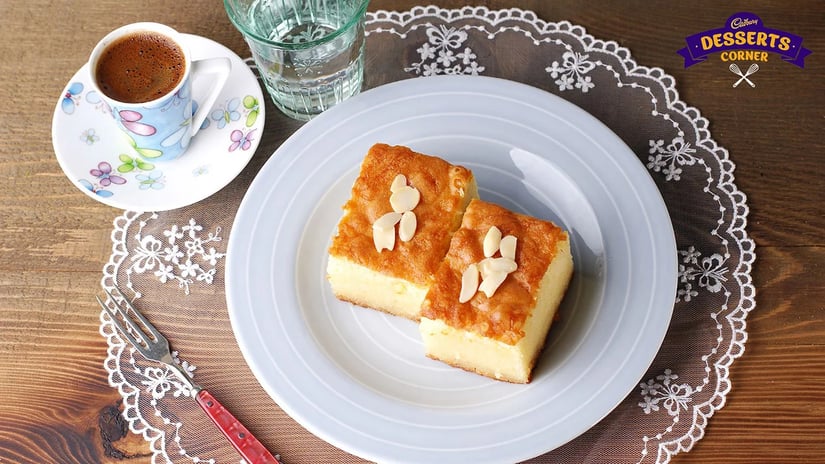


Revani came from the Ottoman Empire, and was refined and honed later by both the Greeks and the Turks into two versions, both of which are equally delicious. Whichever version you choose to have, know that you’d be tasting a piece of royalty.
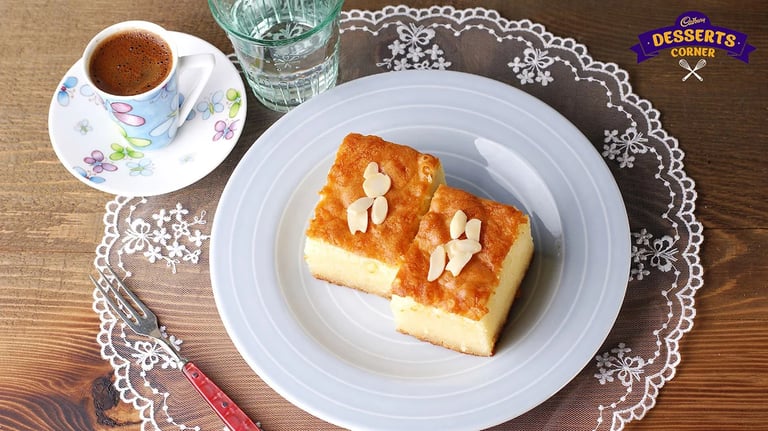
The Ottoman Empire’s influence has settled like golden fairy dust on much of the Middle East, diffusing to Europe, Asia, and the rest of the world, and a part of their desert world, years after their fall. Revani is one such dessert, made from semolina, that was the creation of the Ottomans, who settled cozily in Greece. Revani, or ravani, is baked in a pan, and did you know it was named after a 16th-century Turkish poet who made rhymes for food?
What Is Revani Cake?
Revani came from the Ottoman Empire and was refined and honed later by both the Greeks and the Turks into two versions, both of which are equally delicious. Whichever version you choose to have, know that you’d be tasting a piece of royalty.
But what exactly is the Revani that made a Turkish poet pay multiple odes to the dessert? Revani, a semolina-based dessert, has deep roots in the rich culinary heritage shared by Greece and Turkey. Light and fluffy semolina is blended with soft flour and heaps of sugar, then flavored with fresh lemon zest, vanilla, or aromatic rose water. The cake is baked to a golden brown and then submerged in a glistening syrup bath, allowing each bite to absorb the sweetness of the chashni. Now that you know what Revani is, let’s dive into its history.
Origins of Turkish semolina cake
Food historians believe Revani originated in Ottoman kitchens, where poets like the flavor writer Revani would praise its syrupy sweetness in verse. Over the centuries, the recipe spread throughout lands under Ottoman rule.
In Greece, the city of Veria stands out as a center of Revani production today. In the late 1800s, a man called Hochliouros began popularizing his version there. His small dairy shop was a hub of the community. Locals would gather to socialize over cups of yogurt and sample Hochliouros' latest cakes soaked in bubbling vats of saffron-infused syrup.
Word of the light-as-air semolina treats and their intoxicating flavor spread far and wide. Before long, "Revani" became nearly synonymous with Veria itself. Hochliouros' secret recipe and techniques were jealously guarded through generations.
Even now, skilled confectioners in Veria take great pride in faithfully carrying on traditions established over a century ago. The finest local semolina and prized sheep's yogurt are still used. Each batch is lovingly prepared according to time-honored methods before being decorated.
Revani remains a treasured symbol of cultural connections, reminding us how foods can unite people across empires, languages, and faiths over centuries. Its history provides a sweet glimpse into shared heritages along the Silk Road.
The Ottoman Empire’s Influence On Turkish And Greek Desserts
When the Ottoman Empire expanded, it took the empire's territories to new territories located in Southeast Europe, the Middle East, a nd North Africa. Desserts that were created in the palaces of Istanbul often got adapted by town and village kitchens.
The same ingredients were used when making desserts, but they often had additional elements provided by local residents. Over time, the recipes were getting adapted to the local conditions while retaining their distinctive traits.
The following ingredients could be found in the majority of the Ottoman desserts: semolina, sugar syrup, rose water, orange blossom water, pistachios, walnuts, almonds, and dried fruits. They were easily accessible and became the key ingredients for desserts.
Desserts often had social importance as they were traditionally offered as a treat when welcoming guests, celebrating religious holidays, and some significant occasions in one's life.
The History Of Revani In Ottoman Cuisine
Revani could be considered one of the most famous Ottoman desserts, and its history is quite interesting. Food experts connect the name of the dessert with Revani, an Ottoman poet who lived in the sixteenth century. It is said that the semolina dessert was named by palace chefs after him.
The Ottoman Revani gained its popularity due to the presence of cheap ingredients and rich taste at the same time. Such desserts were popular both among royals and regular people.
Revani spread with the help of the Ottoman influence across the regions that now belong to Greece, Albania, Bulgaria, and North Macedonia. Local chefs started adapting the dessert and making small changes.
Nowadays, there are a number of different kinds of Revani. However, all of them still carry a distinctive taste and structure of the dessert typical of the Ottoman era.
How Traditional Revani Cake Is Made
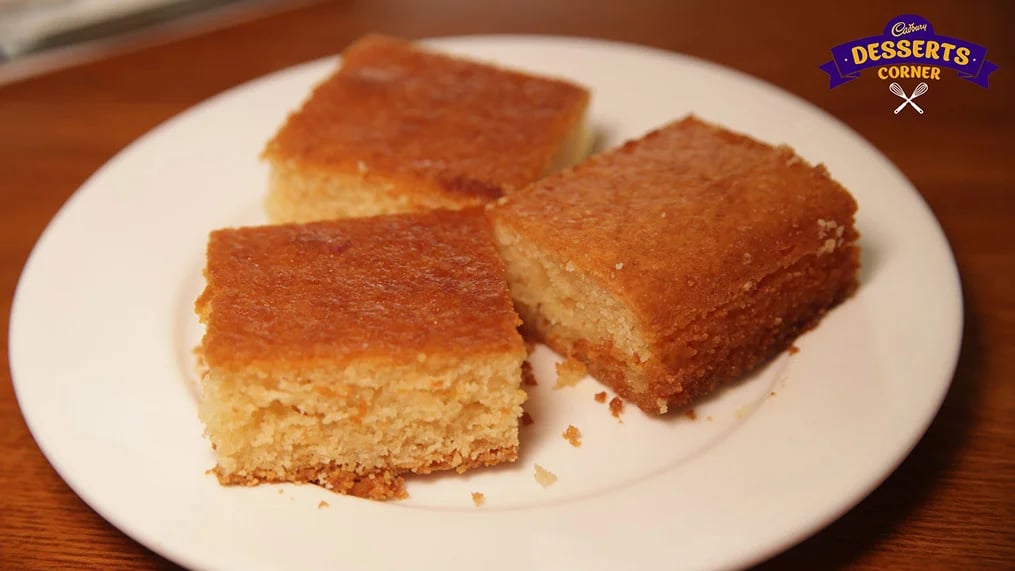
Traditionally, Revani is prepared from a semolina batter. Baking requires a combination of semolina, flour, eggs, sugar, and yogurt. Semolina provides the dessert with a distinctive structure.
After baking, the cake is soaked with a syrup in order to provide it with the soft texture characteristic of this kind of dessert.
Some of the most common flavorings include lemon zest, orange zest, vanilla, and rose water. The last one is often added only to specific types of Revani.
In order to keep Revani soft and fluffy, the batter is not mixed too much, and the temperature of the syrup should be lower than that of the cake.
Turkish Revani Vs Greek Ravani: Key Differences
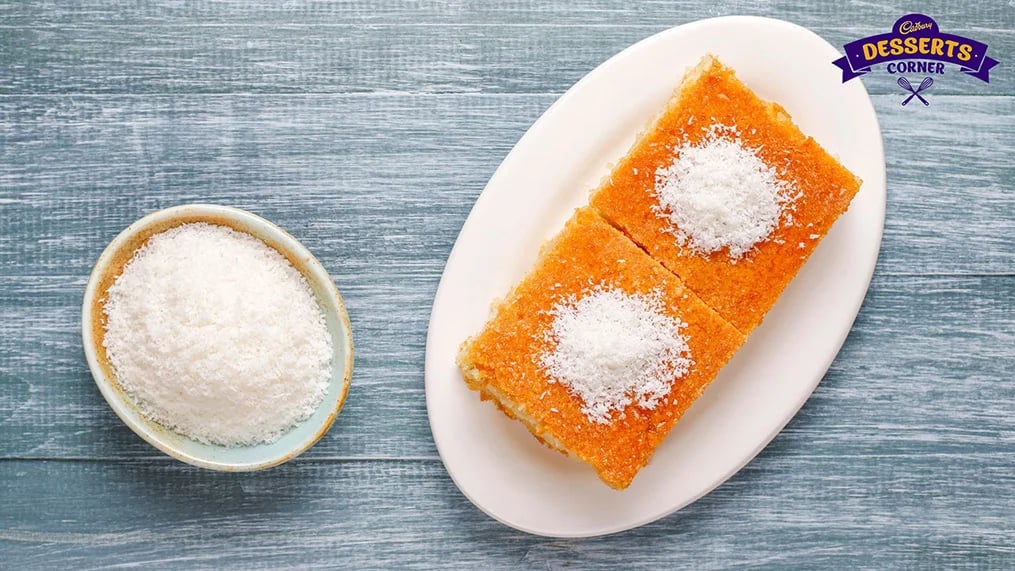
Although the desserts were originally similar, they became different as time went by.
Turkish Revani usually contains yogurt in the batter, which contributes to the tenderness of the cake. Also, the syrup is often flavored with lemon.
On the contrary, Greek Ravani contains honey in the syrup, which gives the dessert a more floral taste. Regional variations also might include some citrus notes and almonds.
Some of the texture differences can also be noted: the Turkish Revani tends to be lighter and more sponge-like ,while Greek Ravani is often mdenser
Finally, serving traditions are different as well. In Turkish households, Revani is often served with tea or Turkish coffee, while in Greek families, Ravani is usually served during celebrations.
Turkish Semolina Cake And Other Ottoman Desserts
Revani is a part of the family of desserts that can be found in the former Ottoman territories. One can find many semolina desserts there.
For example, many people associate Revani with a dessert called basbousa, which is very common in the Middle East. Although these two desserts are quite similar, basbousa contains coconut and has a different texture.
There are many desserts based on semolina in Egypt, Lebanon, Syria, and Jordan, which reflect centuries of culinary traditions of the Ottoman era.
It is no coincidence that syrup-soaked cakes became so popular, as semolina was easily soaked with liquid and retained its structure. Moreover, semolina was cheap and easy to use for people of all social strata.
Turkish Delight And Lokum: The Ottoman Sweet Icon
The most recognizable of the Ottoman sweets is probably Turkish delight (Lokum).
The confectionery appeared during the Ottoman period, and it became very popular both among royalty and visitors. Traditional Turkish delight is made from sugar, starch, and various flavorings.
Some of the most famous flavorings are rose water, pistachio, lemon, orange, pomegranate, and mint.
In the Ottoman courts, lokum was served with coffee as an elegant sweet. The merchants later introduced the dessert to Europe, which made it even more famous.
Nowadays, Turkish delight is still associated with the Ottoman sweet traditions.
Turkish Baklava: The Most Famous Ottoman Dessert
Another achievement of the Ottoman pastry traditions is Turkish baklava.
The dessert includes many thin sheets of filo pastry with nuts inside, which are baked until golden brown.
Pistachios dominate in the Turkish variations of baklava, especially in those from Gaziantep. Walnuts are more popular in other areas.
Greek and Turkish variations of baklava have a lot in common, but there are some differences as well. Turkish baklava is dominated by pistachios and lighter syrup, while Greek variations contain more walnuts and cinnamon and have honey-based syrups.
Since ancient times, baklava has been used during various festivals, weddings, and other important events connected with royalty. It was the labor-intensive dessert that was considered a symbol of luxury.
Kazandibi: Turkey’s Burnt Milk Pudding Dessert
Kazandibi provides a completely different dessert experience in comparison to syrup-soaked cakes and pastries.
Kazandibi develops the burnt underside, which adds a distinctive flavor to the dessert and looks beautiful in combination with the creamy milk pudding.
Kazandibi belongs to the family of Ottoman milk desserts, which were mostly focused on providing a gentle texture.
Nowadays, many pastry shops in Turkey serve Kazandibi chilled and sprinkled with cinnamon.
Tavuk Göğsü: The Ottoman Chicken Milk Pudding
Tavuk Göğsü is one of the most peculiar Ottoman desserts.
This dessert contains finely shredded chicken breast, which is blended into the thick milk pudding. Despite the strange mixture of ingredients, Ottoman chefs highly appreciated the silky texture provided by chicken.
The flavor is quite mild which means that it is the milk, sugar, and aromatics which define the taste of the dessert.
Nowadays, some versions of the dessert do not contain visible chicken fibers; however, many traditional places still cook it following historical recipes.
Güllaç: The Traditional Ramadan Dessert
Güllaç is an important Ramadan dessert in Turkey.
This dessert is made from very thin starch-based pastry sheets, which are soaked in sweetened milk and stacked one on top of another.
Rose water is often used to add aroma to the milk. In addition, pomegranate seeds and nuts are used to add color and texture.
Its mild character is one of the reasons why this dessert is so popular during Ramadan, as people can eat it without problems after a day of fasting.
This dessert was invented in the Ottoman palace kitchens, where chefs developed many milk desserts for various purposes.
İrmik Helvası: Turkey’s Comforting Semolina Dessert
İrmik Helvası provides the transformation of semolina into a tasty and delicious dessert.
Semolina is roasted in butter in order to give it a nutty taste before being cooked with sugar syrup.
In contrast to Revani, which gets soaked in syrup after being baked, İrmik Helvası develops its fflavorduring cooking.
This dessert is often garnished with pine nuts, pistachios, walnuts, and cinnamon. It is commonly prepared for family parties, commemoration, and communal meals.
Popular Greek Desserts Influenced By Ottoman Cuisine
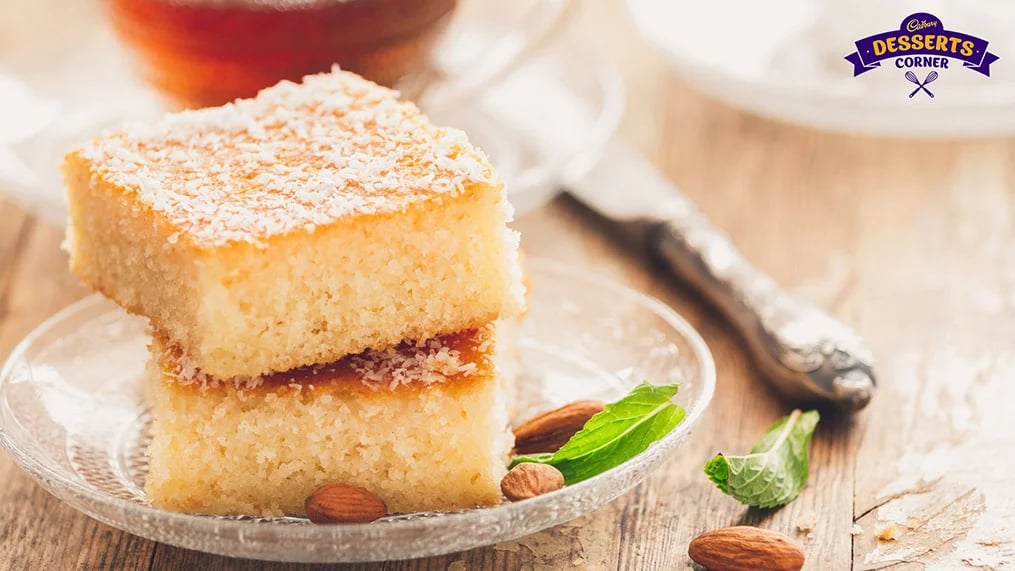
The Greek desserts show the centuries-old influence of Ottoman cuisine on them.
For example, Greek baklava shares the same features with baklava found in other regions of the former Ottoman Empire.
Other desserts include loukoumades, which are little fried dough balls covered with syrup or honey, and galaktobourek, which is creamy custard with filo pastry and syrup.
Ravani, which is a clear descendant of Ottoman Revani, is also common in Greece.
These desserts prove the strong connection between Greek and Turkish culinary traditions.
Why Ottoman Desserts Remain Popular Today
One of the reasons for the popularity of Ottoman desserts today is the harmony of texture, aroma, and sweetness in them. For example, crispy layers of filo pastry contrast with syrupy interiors and creamy puddings.
Rose water, citrus zest, pistachios, and other ingredients are used to create complex flavors that still look good after decades.
Also, the majority of these desserts retain the connection with the family get-togethers, religious holidays, and hospitality.
All these factors are able to preserve the traditional recipes. At the same time, the Turkish sweets became worldwide popular with the help of tourism and migration.
Frequently Asked Questions About Revani And Ottoman Desserts
What is Revani cake? 
The Revani is a semolina-based cake soaked in sugar syrup and flavored with citrus or aromatic ingredients.
Is Revani Greek or Turkish?
This dessert originates in the Ottoman era and belongs to the joint heritage of both Turkey and Greece.
What is the difference between Ravani and Revani?
Turkish Revani usually contains yogurt and lemon syrup, while Greek Ravani features honey syrup.
What are the most famous Ottoman desserts?
Baklava, Revani, Turkish delight, Güllaç, Kazandibi, Tavuk Göğsü, İrmik Helvası could be considered the most famous Ottoman desserts.
What is Turkish delight made of?
The basic ingredients of Turkish delight are sugar, starch, flavorings, and nuts.
Why is baklava associated with the Ottoman Empire?
Baklava originated in the Ottoman era and was perfected in Ottoman palace kitchens.
What does Kazandibi taste like?
Kazandibi tastes creamy and milky with a lightly caramelized taste thanks to its burnt underside.
What is Tavuk Göğsü made from?
Tavuk Göğsü combines milk pudding and finely shredded chicken breast with sugar and various flavorings.
Why is Güllaç eaten during Ramadan?
Its light structure and milk-based composition make Güllaç a perfect dessert for breaking a fast during Ramadan.
What are the most popular Turkish sweets?
Baklava, Turkish delight, Revani, Güllaç, Kazandibi, and İrmik Helvası could be considered among the most popular Turkish sweets.
Like This Article?
More Like This


Popular Articles


Trending Web Stories


Curated Recipes


