






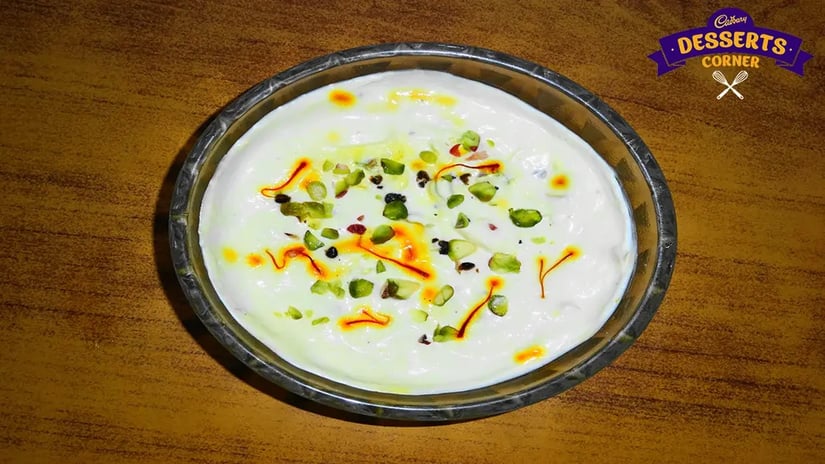


Shrikhand, the classic sweet, creamy dessert, is believed to have been a part of Indian desserts for thousands of years. Here’s all about Shrikhand’s origin.
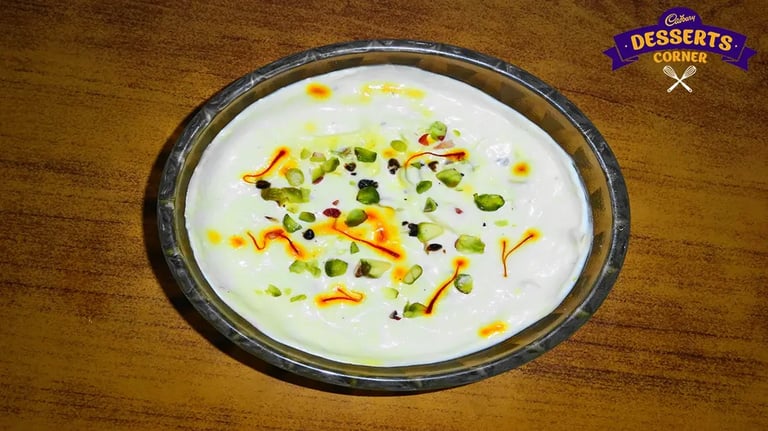
Sometimes it seems absolutely fascinating to realise how gracefully some desserts carry cultural symbolism and a sweet sense of nostalgia with every single bite. And Shrikhand is one such Indian dessert. Historically, being one of the oldest Indian desserts, it carries both. Made with strained yogurt, sweeteners, and some spices, this simple yet delicious dessert is a festive staple.
What is Shrikhand?
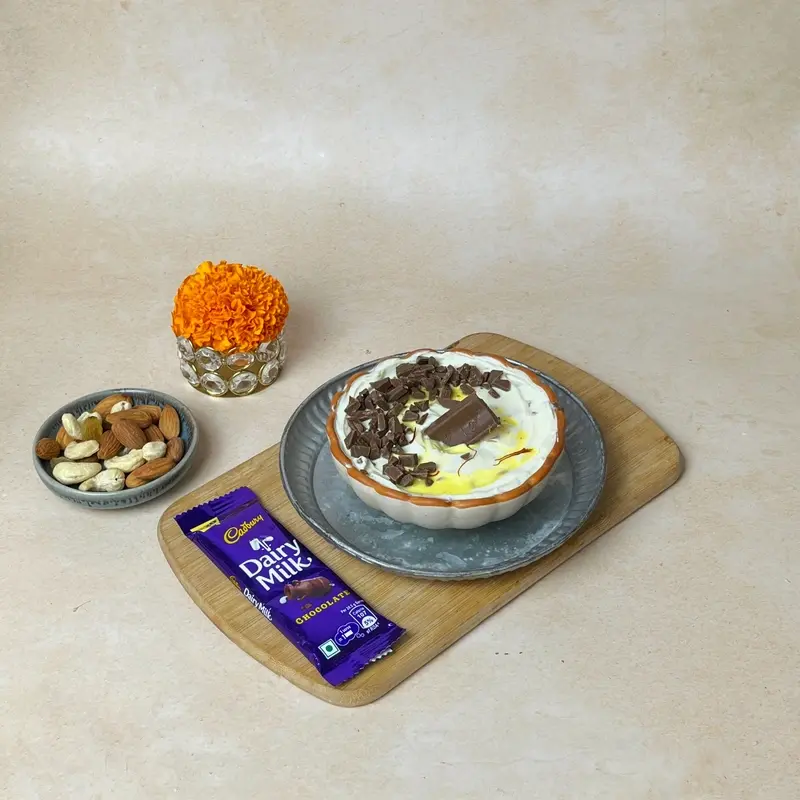
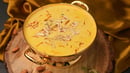
Shrikhand sweet is a rich, airy, and creamy dessert with origins in the Indian subcontinent. In Shrikhand, ‘Shri’ refers to wealth, while ‘khand’ is interpreted as sweets or pieces. Also called matho, it’s popular throughout most of the country, especially in the west in states like Maharashtra and Gujarat. Its bright yellow color gives it an appetizing look, and its creaminess makes it irresistible after the first bite. It's made of hung curd that's been flavored with saffron and cardamom, and has a unique velvety texture.
Shrikhand Origin: Know The Mythology
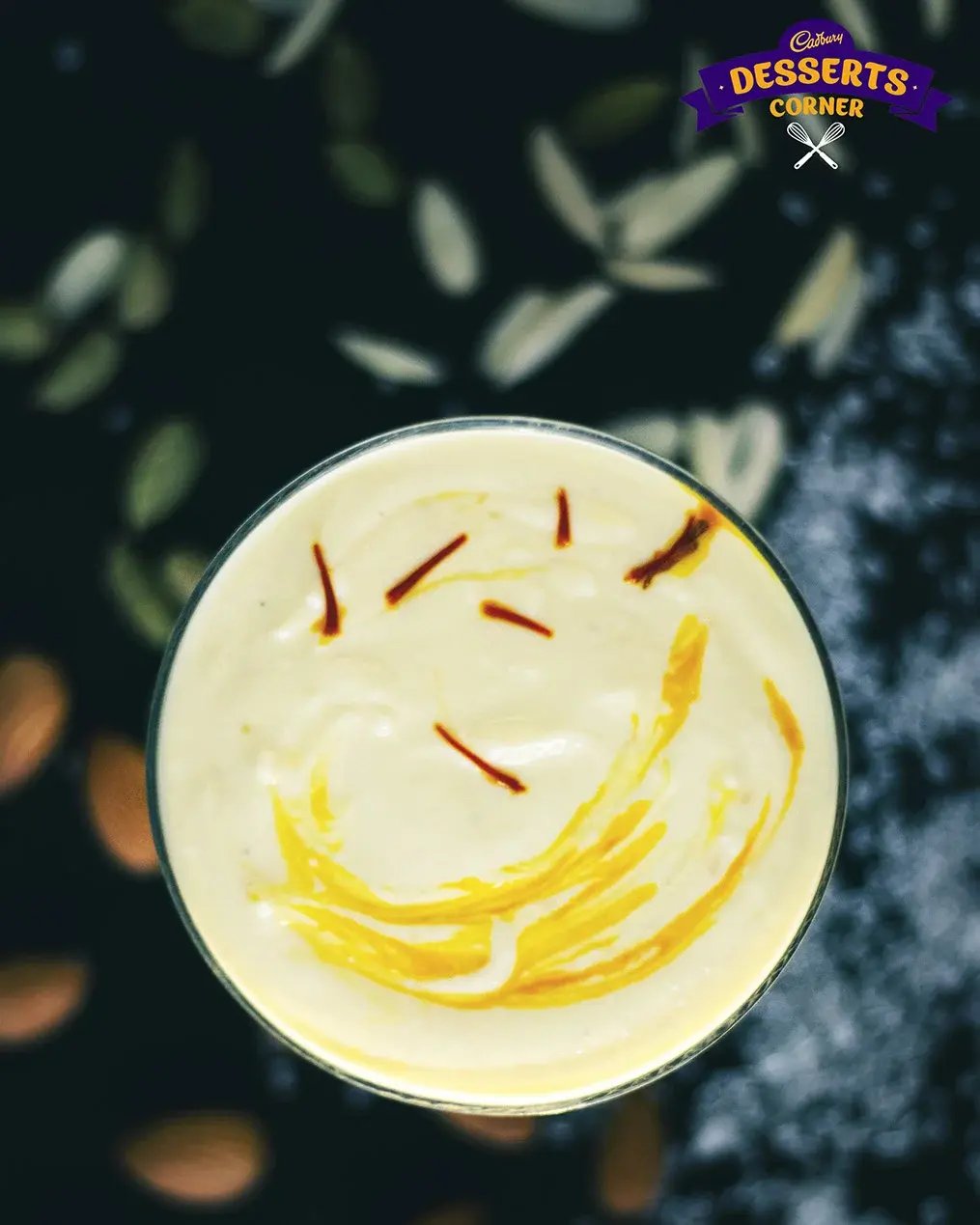
The Legend of Bhima and 'Shikharini'
Shrikhand has a long history, first believed to be created by Bhima, one of the five Pandavas. During the last year of their exile, while they were living incognito in King Virat’s kingdom, Bhima, known for his incredible strength and power, acted as a cook, since cooking was another expertise of his. It was during this time that he created a milk-based dessert called “shikharini,” named after Shri Krishna. This later evolved into the modern-day shrikhand.
The ‘Lord Krishna’ Link
It’s also believed that Lord Krishna frequently consumed shrikhand, being a fan of all things milk and creamy. Accordingly, the dish has an important role in Janmashtami celebrations.
Explore The History Of Shrikhand

'Shikharini' in 500 BC
Food historian KT Achaya writes that in 500 BC, it was a common practice to dewater curd in a muslin cloth for a few hours. Then, sugar and spices were added to it, making the same shikharini that Bheem had invented. He says: “To dewater curd, it was hung in a muslin bag for a few hours; sugar and spices added to the mass yielded shikharini (identical to modern-day shrikhand), first noted around 500 BC.”
An 11th-century book on agriculture by Kannada poet Chavundaraya II talks about shikharini and how it was common to see muslin cloth with curd hanging inside it. Later, the 1508 cookbook Soopa Shastra also includes a recipe for shrikhand.
According to a more recent legend, it’s believed that travelers used to hang the curd they were carrying overnight. It would turn into a thick concoction, which was easier to carry. It was then sweetened and mixed with nuts, making it an energizing food to consume during long travels.
Shrikhand in the 12th Century 'Mānasollāsa'
Besides the mythological explanation behind the origin of Shrikhand, the creamy, milky sweet delight is believed to have found its place in the 12th century Sanskrit encyclopedic manuscript Mānasollāsa as well. It is often revered as the most enlightening archive of medieval Indian cuisine. As per the Mānasollāsa text, the ancient recipe of Shrikhand is quite similar to the modern-day edition of the dessert. Even in that era, making Shrikhand was all about straining yogurt through a cloth to get rid of the whey and blending it with sweeteners and spices.
Maharashtra And Gujarat: The Regional Styles
The Pride Of Maharashtra and Gujarat
If anyone asks, “Shrikhand is famous in which state?”, the answer would be Gujarat and Maharashtra. Both states share the popularity of this delectable dessert. While the core preparation remains the same in both states, certain differences in textures and tastes are often noticed. However, Shrikhand finds adulation in both states. Be it festivals like Gudi Padwa, Holi, Diwali, or Janmashtami, no celebration is ever complete without a bowl of this dessert.
What's the Difference Between Shrikhand And Matho?
Shrikhand and Matho are just two different names of the same Indian dessert, with a slight regional variation shared between Gujarat and Maharashtra. While in Maharashtra, Shrikhand is often called ‘Chakka’, in Gujarat the name changes to ‘Matho’.
However, when it comes to texture and consistency, shrikhand or chakka, the Maharashtrian edition, is denser and ice cream-like. Matho, the Gujarati version, is more on the thinner, smoother, and slightly sweeter side.
Shrikhand's Role in Festivals and Culture
A Staple for Gudi Padwa and Janmashtami
Shrikhand is not just a regular dessert in Gujarat and Maharashtra. In both states, the traditional dessert is known to have a great cultural significance. Be it Gudi Padwa in Maharashtra or Janmashtami in Gujarat, Shrikhand is often served as a symbol of good fortune and festive joy. Shrikhand and Janmashtami are also believed to share a connection based on milk. It is made on Lord Krishna’s birthday to celebrate his fondness for dairy products.
How to Make Shrikhand Sweet At Home: 2 Authentic Methods
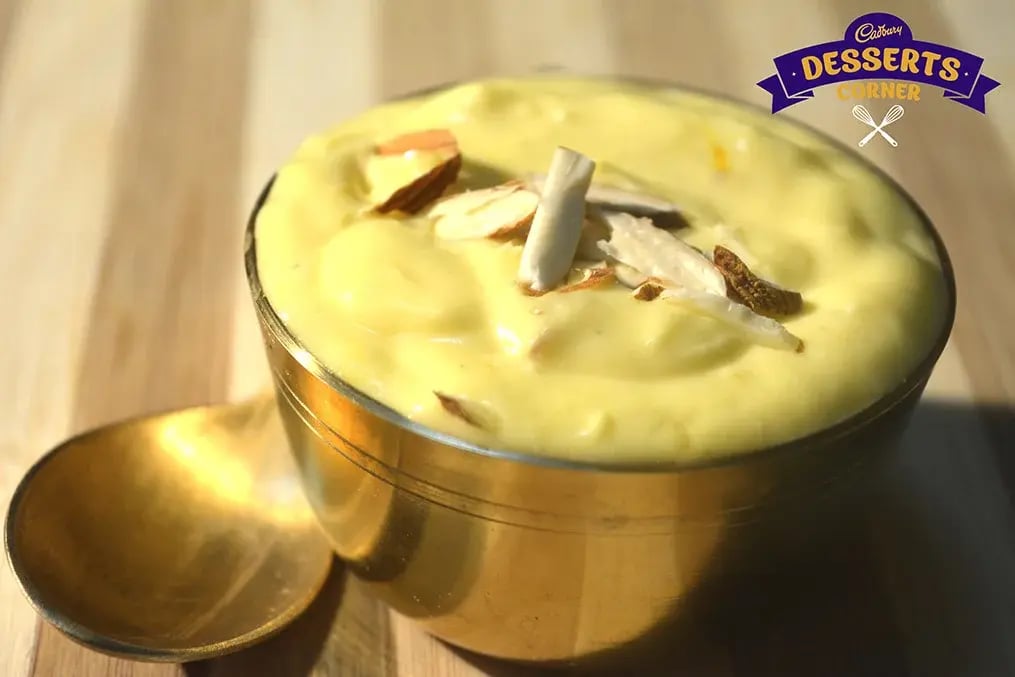
The Traditional Hung Curd Recipe
Ingredients
- 5 cups curd
- 9 tbsp sugar
- ½ tsp cardamom powder
- 2 pinches saffron strands
- ½ tbsp warm milk
- 8 pistachios, chopped
Instructions
- Line a muslin cloth on a bowl and pour fresh curd into it. Tie up the cloth and press gently, and hang the muslin for 4-6 hours or overnight.
- The next day, collect the hung curd in a bowl and set aside.
- In a bowl, add warm milk and 2 pinches of saffron. Stir and set aside.
- Powder 4-5 green cardamoms in a mortar and set aside.
- Add sugar to the hung curd bowl and gently fold it in. Then add the saffron milk and powdered saffron to it.
- Whip the curd using an electric mixer until smooth, and the sugar has dissolved.
- Top with nuts and serve cold.
A Quick Recipe Using Greek Yogurt
Ingredients
- 1.5 cups chilled Greek yogurt
- ¼ tsp cardamom powder
- ⅛ tsp ground nutmeg
- ½ cup sugar
- 1 tbsp warm milk
- Pinch saffron strands
- 2 tbsp mixed nuts
Instructions
- In a bowl, take warm milk. Add a pinch of saffron strands. Stir and set aside.
- In another bowl, add the chilled yogurt. Add sugar and whisk until it's a smooth mixture.
- Then blend until you have a creamy consistency.
- Add the saffron milk, cardamom powder, and 2-3 pinches of nutmeg powder. Mix well.
- Cover the bowl and refrigerate for 30 minutes or overnight.
- Sprinkle with nuts and serve cold.
- It can be enjoyed on its own as a plain dessert or served with puri or roti.
Frequently Asked Questions About Shrikhand's Origin
Who first invented shrikhand sweet? 
Mythology says Bhima, one of the five Pandavas, created this milk-based creamy dessert during their exile. However, in Gujarat and Maharashtra, the origin of the Shrikhand recipe is popularly attributed to traveling herders. It is said that the herders strained yogurt in muslin bags for their convenience, and later they used to add sweeteners and spices to it.
What is the original name for shrikhand?
Shrikhand’s original name is ‘Shikharini’. It is believed that the name has a deep-rooted connection with ancient Sanskrit literature.
Which state is most famous for shrikhand?
Shrikhand is most popular in the states of Maharashtra and Gujarat. It is a festive staple in both states.
Like This Article?
More Like This



Popular Articles


Trending Web Stories


Curated Recipes