











Tang is a nostalgic, citrusy powdered drink mix and a household staple. Known for its easy preparation, it’s the ultimate refreshing treat for hot summer days.

Tang is a powdered drink mix that has been famous in homes worldwide for a long time. Originally developed in the late 1950s, Tang would receive worldwide attention and popularity by the 1960’s because of its marketing campaign and use by NASA astronauts during their missions. The drink became popular because it was promoted as easy to make, flavorful, and thirst-quenching.
As a child, I remember enjoying Tang during the hot summer months because there was no other option to cool off with a drink. While drinking Tang, it provided me with an opportunity to enjoy a refreshing drink.
Although I often wondered, “Is drinking Tang good for me, or is it simply a sweet-tasting beverage that happens to have added amounts of vitamins?”
Tang Nutritional Value: Calories, Vitamins, and Sugar
To get an idea of Tang’s nutritional value, you will need to look at its ingredients and nutritional composition. In a serving of Tang (approximately 2 tablespoons of powder mixed with water), there are about 90 calories per serving, and almost all of them are from carbohydrates (sugar). On average, Tang will have 23–24 grams of sugar per serving, which is primarily responsible for Tang’s sweetness and a quick source of energy.
Another important part of Tang’s nutritional value is that it is fortified with various vitamins, such as vitamin C and A. Several formulations of Tang contain the entire recommended daily amount (RDA) of vitamin C in one serving. According to the National Institute of Health, Vitamin C aids the immune system and helps the body absorb iron. There are also additional vitamins (like vitamin A) in some Tang products, which are good for eye health and the immune system.
There are other ingredients that create the product’s chemical stability and color. One example is calcium phosphate, which is an added mineral source as well as an added stabilizing agent. In contrast, other added ingredients (like Yellow 5) help create Tang’s bright orange color. The ingredients mentioned here will typically appear on the product label(s) to give you an overall understanding of Tang’s nutritional value or nutrition facts.
Is Tang Good for Health? Tang Nutrition Facts
While Tang can contain a lot of sugar, it does have a few benefits because of the vitamins added through fortification.
Vitamin C and Immunity
One serving of Tang can provide a percent of the recommended daily value of vitamin C every day. Vitamin C has been shown to improve immune function, build collagen, and allow the body to absorb more iron from the diet, according to the National Institutes of Health. Vitamin C also provides some cell protection from oxidative stress.
Quick Energy and Hydration
Tang consists mainly of carbohydrate, sugar. These carbohydrates provide for quick energy. After working or exercising in the heat, a sweet drink can help replenish calories and support drinking fluids.
Hydration is also necessary for regulating body temperature, helping blood circulate, and assisting in metabolism.
Vitamin A for Vision
Tang powdered drink mix products are fortified with vitamin A and are critical for maintaining healthy eyes and supporting immune function. According to Mayo Clinic, vitamin A is important for maintaining the retina and providing support for normal immune function.
Fortified with Minerals
Tang contains a small amount of minerals, such as calcium, mainly in the source ingredient (calcium phosphate) present in Tang's formulation. Calcium is required to support healthy bones and is important for maintaining healthy muscles and nerves.
Although the quantity of minerals in Tang, when compared with other common sources of calcium (milk, green leafy vegetables), is relatively low, it shouldn’t be your primary source of calcium.
Antioxidant Abundance
Vitamin C is a major source of antioxidants in Tang. Antioxidants work by neutralizing free radicals (unstable molecules) that can cause damage over time, resulting from high levels of oxidative stress.
Tang's only source of antioxidants is through added vitamin C, not through natural fruit extracts.
Potential Side Effects and Health Risks
Tang has many additional vitamins, which are a part of the nutrition profile of Tang; however, to determine if Tang is healthy, nutrition discussions may consider aspects such as total sugar consumption and food additives found in packaged beverage mixes.
High Sugar Content and Weight Gain
Tang is seen as a type of sugary beverage, with an average serving size containing approximately 23g-24g of sugar. Several health organizations, including the World Health Organization (WHO), recommend that a maximum of 10% of one’s total daily energy intake should come from free sugars consumed as part of healthy eating patterns. Therefore, when consumed regularly along with poor dietary behaviours over a long period of time, sweetened drinks may lead to an overall increased calorie intake.
The Centers for Disease Control and Prevention has summarized various pieces of research showing how overconsuming sweetened drinks (i.e., frequent consumption) can lead to weight gain, tooth decay, and an increased chance of metabolic-related problems such as Type 2 diabetes (T2D).
These issues often result in many individuals asking if Tang helps with losing weight. Generally speaking, most sugary, high-calorie drinks simply need to be consumed in moderation, especially if the individual is trying to manage their weight.
Artificial Additives and Colors
Tang powder is a drink mix that may have additional approved food additives like synthetic food dyes, such as yellow 5, and some flavoring agents to help the product maintain flavor and appearance. Food additives, such as these, are found in many different types of processed foods and are governed by food safety authorities and allowed to be used within limits.
Some people may wish to limit their consumption of products that contain synthetic food dyes or flavor additives, especially if they are known to be sensitive to them. The research surrounding the potential association between artificial food dyes and behavior modification in children has been inconsistent. As a result, there are parents who monitor their children's consumption of products with artificial food dyes and flavor additives.
When consumed moderately and as part of a healthy diet, Tang is an excellent option for providing variety to beverage selections while also considering overall sugar and additive consumption.
Unique Refreshing Beverages using Tang
The following are some fun options with the most refreshing, light, and well-balanced drinks at the top of the list.
1. Cool Cucumber Tang
Ingredients
- 2 tbsp Tang
- 1 cup water
- ¼ cup cucumber juice
- Instructions
- Mix all ingredients thoroughly and chill before serving.
- Pairing: Hummus and pita bread
2. Minty Orange Refresher

- Ingredients:
- 2 tablespoons of Tang
- 1 cup of water
- fresh mint leaves
- ice
Instructions:
- Mix the Tang with water. Add crushed mint leaves and ice.
- Pairing: Cucumber sandwiches
3. Ginger Zing Tang
- Ingredients:
- 2 tablespoons of Tang
- 1 cup of water
- 1 teaspoon grated ginger
- Honey to taste
Instructions:
- Mix everything together and stir well. Add honey as desired.
- Pairing: Enjoy it along with some ginger snaps.
4. Herbal Tea Tang
- Ingredients:
- 2 tbsp Tang
- 1 cup brewed herbal tea
- Honey
Instructions:
- Add Tang to slightly cooled tea until combined well, and sweeten with honey.
- Pairing: Shortbread cookies
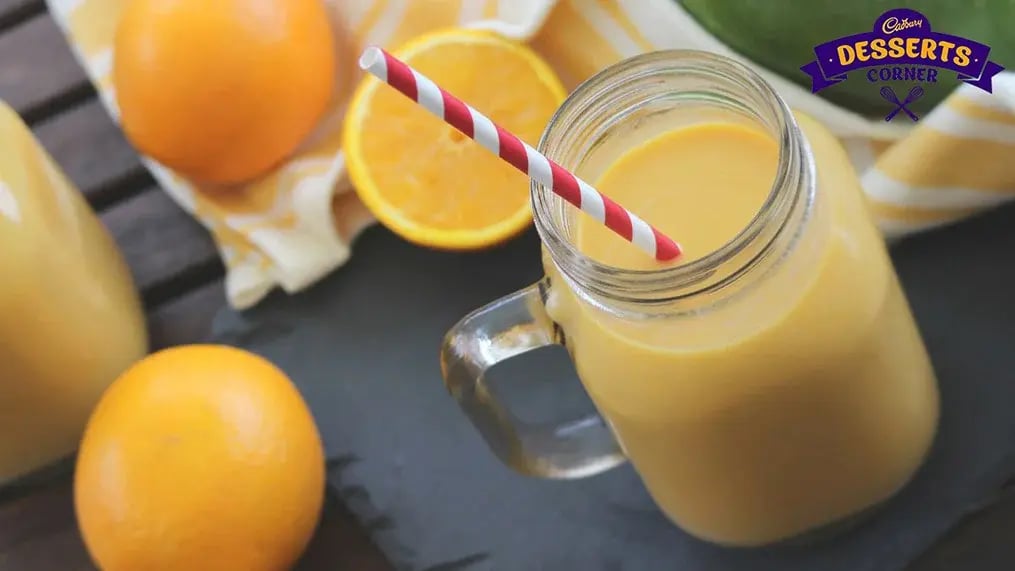
5. Tangy Yogurt Delight
- Ingredients:
- 2 tbsp of Tang
- 1 cup of yogurt
- Honey
Instructions:
- Mix Tang into yogurt until it is completely combined, then sweeten with honey.
- Pairing: Granola
6. Berry Tang Twist
- Ingredients:
- 2 tablespoons of Tang
- ½ cup of berries
- 1 cup of water
- Ice
Instructions:
- Blend the berries with water and then stir in the Tang.
- Pairing: Enjoy with a side of almond biscotti.
7. Tropical Tang Smoothie
- Ingredients:
- 2 tablespoons of Tang powder
- 1 banana
- ½ cup coconut milk
- ice
Instructions:
- Blend all the ingredients until smooth.
- Pairing: Perfectly complemented by delicious coconut macaroons.
8. Sunrise Tang Cooler
- Ingredients:
- 2 tablespoons of Tang
- 1 cup of water
- ¼ cup of pineapple juice
- Ice
Instructions:
- Combine all the ingredients together. Stir well.
- Pairing: Serve alongside fruit skewers.
9. Tangy Melon Mixer
- Ingredients:
- 2 tablespoons of Tang
- 1 cup of watermelon cubes
- 1 cup water
- Ice
Instructions:
- Blend the watermelon and water together, and stir in Tang.
- Pairing: Prosciutto-wrapped melon
10. Sparkling Tang Fizz

- Ingredients:
- 2 tbsp of Tang
- 1 cup of sparkling water
- A few lemon slices
Instructions:
- Mix Tang in sparkling water until mixed completely, and garnish it with lemon.
- Pairing: Cheese and crackers
The Takeaway
Tang continues to be a product that people remember fondly; it gives you a quick source of energy and vitamin C (the vitamin C in Tang is balanced with other nutrients, such as carbohydrates from sugar). When consumed as an occasional beverage, Tang is likely okay for a balanced diet. However, if consumed regularly, one should pay attention to the portion size and total sugar consumed. A thoughtful approach will allow people to consume Tang, but, in turn, will help them make healthy beverage decisions related to total sugar intake.
Like This Article?
More Like This




Popular Articles


Trending Web Stories


Curated Recipes