









Confused between ‘cream’ and ‘crème’? If wondering which one to pick for your recipe, here’s a detailed breakdown to explain the difference between cream and crème.
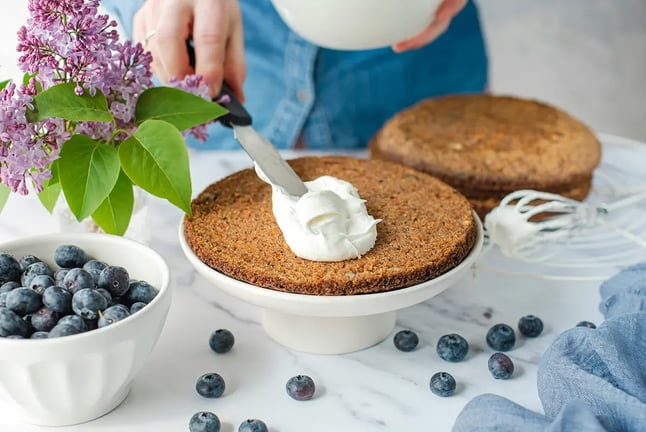
Be it baking or cooking, certain ingredients simply elevate the whole recipe by their mere presence. Cream is one such enriching element. Often used in recipes for its velvety texture and creamy taste, cream's high fat content never fails to delight the taste buds. Now, while often used interchangeably, there is certain confusion about the terms ‘cream’ and ‘crème’. While both are creamy and rich ingredients, there are differences in their components and the purposes they serve. Before jumping into the recipes, it is important to have a look at the difference between cream and crème.
Cream vs. Crème: Know The Basics
To begin with, it is crucial to know what makes cream and crème different. In simple words, cream is considered the rich, fatty part of milk. Often used for bringing in a smooth and creamy consistency, cream is a versatile ingredient when it comes to cooking or baking. Based on the fat percentage, it is categorised into heavy cream, light cream, whipping cream, and half-and-half.
‘Crème’, on the other hand, refers to a non-dairy, cultured, processed, and mixed creamy element. This filling is made with vegetable oils, sugar, and flavors. It is usually thicker, more luxurious, and is frequently used in French recipes.
Types of Cream and How To Use Them in Baking
Heavy Cream: This ultra-rich version of cream beautifully whips into soft or stiff peaks. It is ideal for frosting cakes or topping pies.
Whipping Cream: Similar to heavy cream, this one comes with a lower fat content. Whipping cream also whips well, but won’t hold peaks as stiffly. It is usually used for light toppings, mousses, and custards.
Half-and-Half: As the name suggests, this is a mixture of cream and milk. Although it is liquid in nature and can’t be whipped, it still adds a delicious creaminess to recipes like coffee, creamy sauces, or cakes.
Types of Crème and Their Baking Uses
Crème Fraîche
This French-style crème is tangy and slightly nutty, bringing a unique depth to the recipes. It’s thicker than heavy cream and adds a lovely richness. It is ideally used on recipes like tarts, frostings, or cake.
Crème Pâtissière
Crème pâtissière, or pastry cream, is a smooth, custard-like filling that’s cooked with milk, sugar, and cornstarch. To add the classic French elegance, it is often used in éclairs, cream puffs, and fruit tarts
Mascarpone Crème
Though technically Italian, mascarpone is a creamy, spreadable type of crème used often in layered desserts like tiramisu. Its rich, slightly sweet flavor enhances frostings and fillings.
When to Use Cream vs. Crème in Cakes
Knowing when to use cream versus crème can make all the difference in your baking. Here’s a quick guide for which to use depending on the dessert.
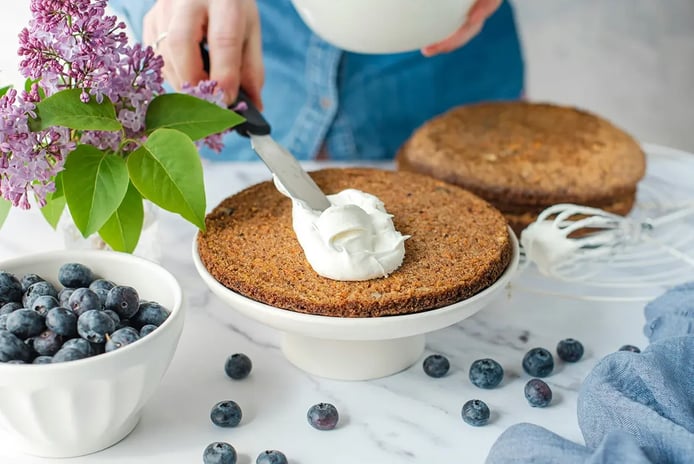
To make frostings and ganache, always pick premium-quality heavy cream. This ensures a perfect, fluffy frosting.
For a luxurious creamy filling, go with crème pâtissière or mascarpone. This works well in layered cakes, doughnuts, and more.
For light desserts, whipping cream or half-and-half can be used, as they add a lighter texture, perfect for desserts like mousses or custards.
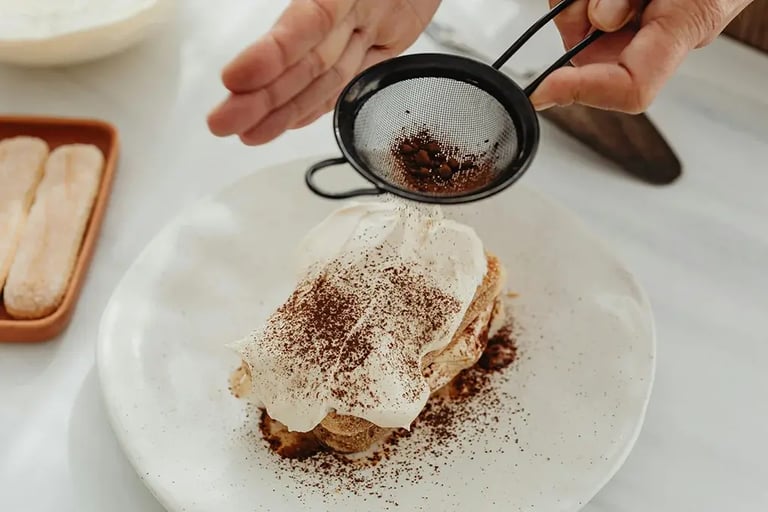
Chocolate Cream Frosting
Ingredients
- heavy cream
- Cadbury cocoa powder
- powdered sugar
Instructions
To try this creamy frosting, simply whisk together the heavy cream, Cadbury cocoa powder, and powdered sugar until stiff peaks form. Once the frosting is ready, spread or pipe it on cupcakes or cakes for a creamy, chocolatey finish.
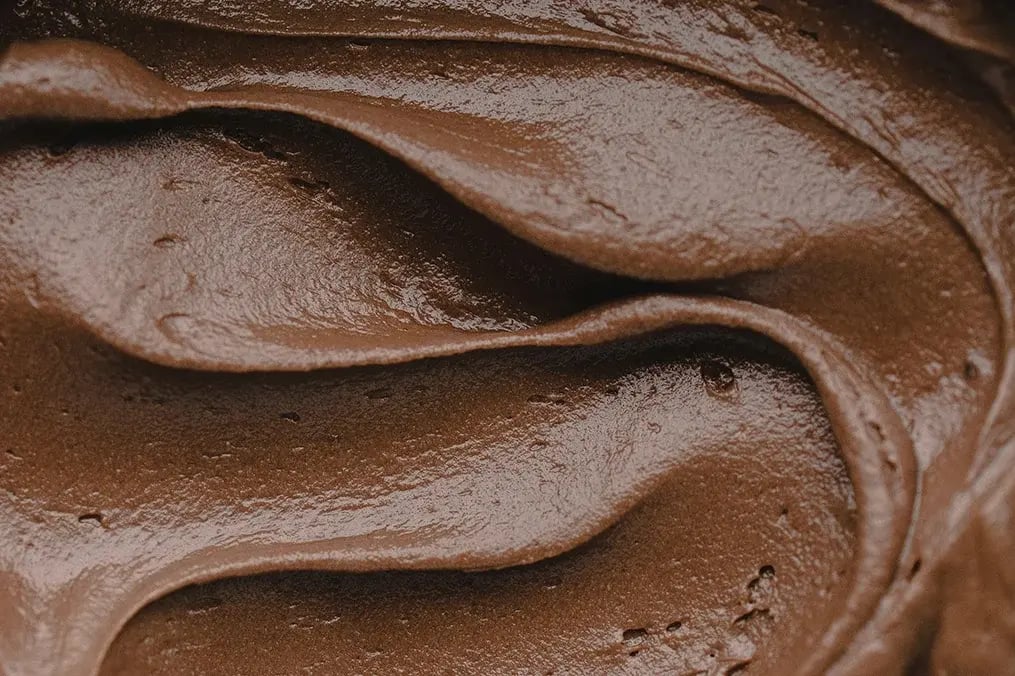
Vanilla Crème Pâtissière
Ingredients
- milk
- sugar
- vanilla extract
- cornstarch
- egg yolks
Instructions
For this French delicacy, simply heat the milk and vanilla extract in a saucepan until simmering. In a mixing bowl, whisk the sugar, cornstarch, and egg yolks. Gradually pour the hot milk over the mixture, whisking constantly. Return to the heat and cook until thickened, then let cool before using as a filling.
Final Tips for Working with Cream and Crème
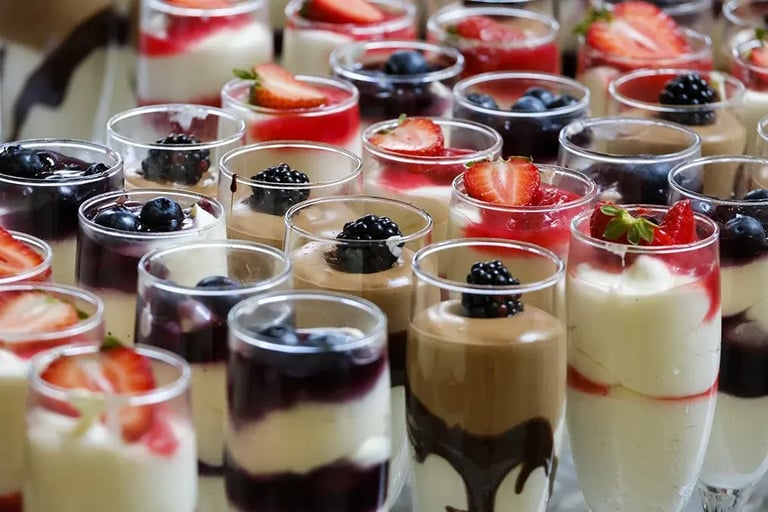
For best results, keep the cream cold for best whipping results. But if using crème, allow it to come to room temperature before mixing. This ensures a smoother consistency.
Both cream and crème pair beautifully with chocolate. Add a touch of Cadbury Bournville dark chocolate to intensify the richness of your dessert.
Frequently Asked Questions
Why crème instead of cream? 
In cooking or baking, cream is the fatty, dairy part of the milk, while crème is a non-dairy, processed filling made from this is made with vegetable oils, sugar, and flavors instead of real dairy cream. Commercially available products often use the term ‘crème’ for certain legal compliances.
What is the difference between cream and crème in baking?
The primary difference between cream and crème lies in the component they are made of. While cream is the fatty, dairy part of milk, crème is a non-dairy processed filling made from this is made with vegetable oils, sugar, and flavors.
What cream should I use for baking cakes and pastries?
For baking pastries and cakes, the best cream options include heavy cream, heavy whipping cream, Swiss meringue buttercream, and pastry cream. The high-fat content of these creams ensures the best texture.
What can I substitute for crème?
To substitute the crème in your dessert recipe, one may simply use sour cream or a mixture of heavy cream and buttermilk. Alternatively, full-fat Greek yogurt can be used as well.
Like This Article?
More Like This



Popular Articles


Trending Web Stories


Curated Recipes