







Discover how sugar syrup shapes Indian sweets like shakarpara, jalebi, rasgulla and gulab jamun, with tips for making sugar syrup at home right way, every time!

If you have a sweet tooth, you must love indulging in desserts made of sugar syrup. In the realm of Indian desserts, the use of sugar syrup is a common and essential practice that not only enhances the flavor but also the texture of various sweet treats. For the unversed, sugar syrup is the concoction of sugar and water.
The use of sugar syrup in Indian sweets can be traced back to the Mughal era when intricate sweets and confections became a symbol of luxury and royalty. Over time, the culinary landscape evolved, and the practice of using sugar syrup became an integral part of traditional recipes across the subcontinent. Whether you’re trying shakarparas or gulab jamun, the use of sugar syrup plays an important role which creates a melt-in-the-mouth effect.
We’ll list several sweets that use sugar syrup. Take a look:
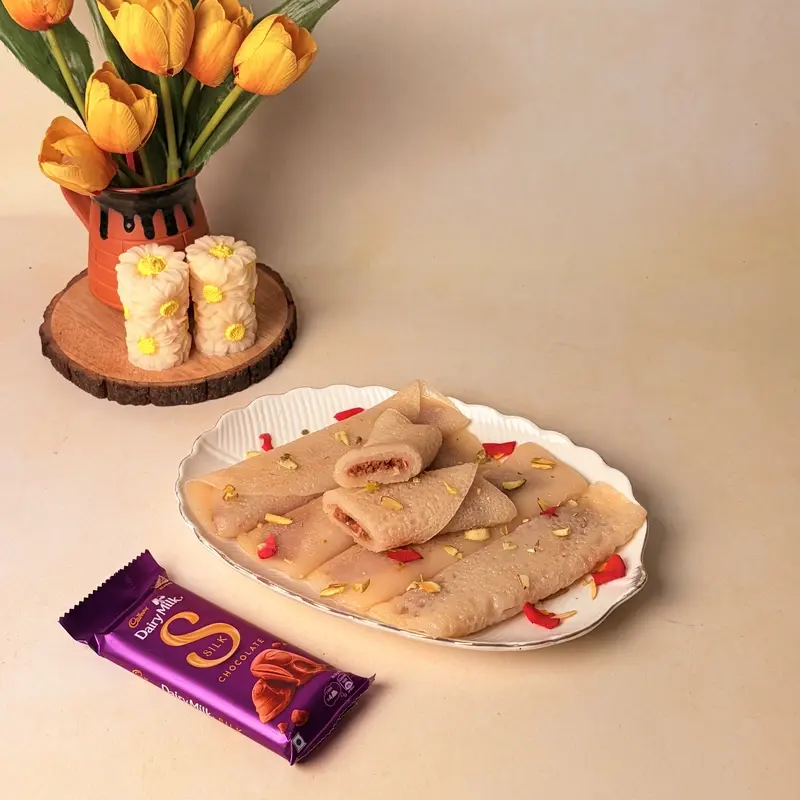
Shakarparas
Shakarparas stand out to be crispy, bite-sized pastries that make use of sugar syrup. After the sweets are deep fried to a golden color these wheat flour-based pastries transform after they are coated in a fragrant sugar syrup. The sugar syrup offers a sweet and glossy sheen and also ensures a balance of flavors. Sometimes they are infused with cardamom or saffron which elevates the crunchy delights.
Jalebi
We know that you’re already salivating upon reading the name, jalebi. It is a coiled, orange-coloured delight filled with sweetness and tanginess. The key to their irresistible taste lies in the sugar syrup. The batter is made of fermented flour or urad dal and then it is deep-fried to achieve a special spiral shape, the jalebis are then dipped in warm sugar syrup. The syrup is infused with aromatic saffron and cardamom which seeps through the porous texture of the jalebi, transforming into a syrup-laden delight.
Rasgulla

In rasgulla, the use of sugar syrup is a fundamental and defining step. Made by coagulating milk into chenna, rasgulla are small, soft balls that are then simmered into light sugar syrup. The sugar syrup is infused with cardamom or saffron for added aroma. The chenna balls absorb the sweetness from the sugar syrup, imparting a delicate flavour and achieving a spongy and airy consistency.
Malpua
They are deep-fried pancakes made from flour, milk, and semolina with a generous amount of sugar syrup drizzle. After the malpua are fried to golden colour, they are immersed in sugar syrup which is infused with cardamom and saffron. With time, the sugar syrup seems into malpua, exuding sweetness in each bite. The warm malpua and aromatic sugar syrup create a harmonious blend.
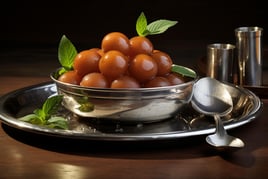
Gulab Jamun

Sugar syrup plays an important role in transforming gulab jamun into a delectable sweet. Gulab jamuns are soft and spongy milk-based dumplings that are made by combining khoya. They are shaped into round balls and deep-fried until golden brown. The true magic happens when these balls are immersed in sugar syrup. The syrup is infused with fragrant rose water, cardamom, and sometimes saffron. The syrup is absorbed by the gulab jamun imparting moist and sweet notes.
Other Sugar-Syrup Based Sweets to Know
Besides the classics we’ve already covered, there are several other Indian sweets that depend just as much on sugar syrup to create their signature texture. A dry mithai is typically considered to be kaju katli, though some versions use a light sugar syrup while making it to bind the cashew paste in a smooth, sliceable manner, especially if it has a hint of rose or saffron flavor. Rasmalai takes a different route.
The soft paneen discs are cooked in sugar syrup like rasgulla, but rather than being served in syrup, they are moved into a rich, reduced milk called rabdi. A close cousin of jalebi, imarti uses urad dal, battered and shaped into coils reminiscent of a flower. The syrup-soaking process is much the same, but the denser batter and floral shape mean the syrup penetrates a little more slowly, delivering a richer, more concentrated sweetness in every bite.
Tips for Making Perfect Sugar Syrup at Home
The trick to getting sugar syrup right at home is to know the right consistency at different stages. To check the consistency for one string, put a small drop of syrup between your thumb and finger and pull it apart slowly. It should form a single thin string.
This stage is perfect for sweets like jalebi and malpua that need a light coating. When you take two strings and pull them apart, and they form a string, it means the syrup is thicker and good for sweets like gulab jamun that need to absorb more syrup without getting soggy.
The top mistake home cooks make is crystallization, which happens when the sugar syrup turns grainy instead of smooth. This is usually the result of over-stirring the syrup while it is boiling or sugar crystals clinging to the sides of the pan and falling back into the mixture. This can be prevented by adding a few drops of lemon juice or a small pinch of citric acid while the syrup is boiling, which interferes with crystal formation.
If the syrup has already started to crystallize, a little water and gentle reheating, without stirring, can often dissolve the crystals and restore a smoother consistency. Another common problem is overboiling. If syrup is boiled for too long, it will become hard and brittle when cooled and so will not be suitable for sweetmeats that require a soft, absorbable texture.
Frequently Asked Questions
What is the difference between one-string and two-string sugar syrup consistency? 
One-string syrup will draw a thin string and is better for lighter sweets. Two-string syrup is thicker and is better for denser sweets like gulab jamun.
Why does my sugar syrup turn grainy or crystallize?
This is usually caused by over-stirring during boiling or sugar crystals washing back into the syrup from the sides of the pan.
Can sugar syrup be made in advance and stored?
Yes, you can make sugar syrup in advance and keep it in an airtight container in the fridge or at room temperature for a couple of days.
What's the difference between how syrup is used in gulab jamun versus jalebi?
The gulab jamun needs a thicker syrup to soak into the heavy dumpling. Jalebi uses a lighter syrup that quickly seeps into the porous, fried batter.
Like This Article?
More Like This
Popular Articles


Trending Web Stories


Curated Recipes