

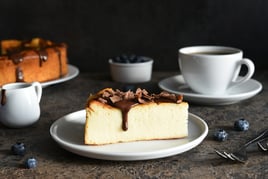



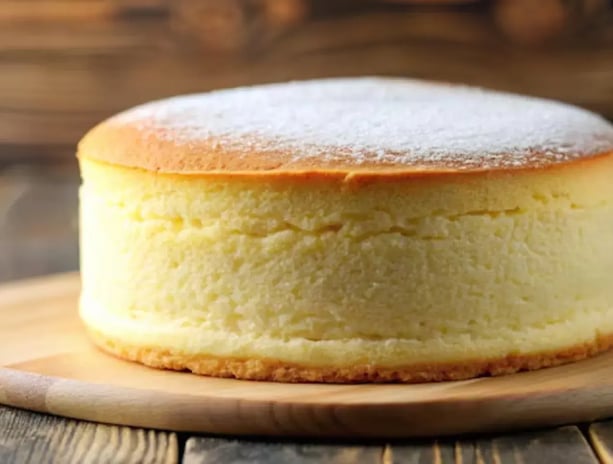


Uncover the best tips for baking Japanese cheesecake with a delicate, fluffy texture every time, perfect for all events!
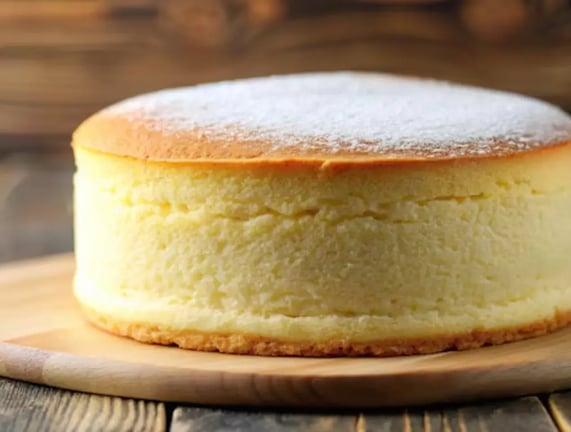
Japanese cheesecake is one of those desserts that’s in the dessert lover’s hall of fame. It’s so light and airy it’s like a showstopper. But if you’ve ever tried to make one yourself, you’ve probably hit a few roadblocks. Unlike traditional cheesecakes Japanese cheesecake requires technique and attention to detail to get the right balance of fluffiness and flavor.
It is not the ingredients that are the secret to a perfect Japanese cheesecake; it is the technique. Whether you’re an experienced baker or a beginner, there are a few tricks that can make all the difference.
From whipping the egg whites to the right consistency to baking the cheesecake in the right environment, every little step counts.
Why Japanese Cheesecake Is So Unique
Unlike traditional cheesecake, Japanese cheesecake is lighter and unique because of its cloud-like texture, subtle sweetness, and crustless design. It is a cross between a classic cheesecake and a soufflé. The cheesecake achieves its signature wobbly bounce from whipped egg whites, which are folded into the batter. Baking the cake in a pan of hot water helps it cook slowly and evenly, keeping the inside moist without a hard crust. The cream cheese, butter, and milk are melted together first to create a smooth, custard foundation. Japanese cheesecake recipe utilizes less sugar and cream cheese than American cheesecake, grouping itself with lighter desserts. It is of a jiggly consistency, much more like a flan or a toffee pudding.
Japanese Cheesecake Recipe
Japanese cheesecake is a lovely dessert that combines the richness of cheesecake with the fluffiness of a soufflé. It’s not as dense as traditional cheesecakes and melts in your mouth. How to make a Japanese cheesecake, you may ask? The ingredients and method are given below:
Ingredients:
- 250g cream cheese (softened)
- 100g milk
- 60g unsalted butter
- 4 large eggs
- 140g sugar
- 1 tsp vanilla extract
- 50g all-purpose flour
- 20g cornstarch
- 1/2 tsp cream of tartar
- A pinch of salt
- 200 ml water (for the water bath)
Method:
- Preheat the oven to 160°C (320°F) and line a 9-inch round cake pan with parchment paper.
- In a saucepan, melt the cream cheese, butter, and milk over low heat. Stir to combine and remove from heat once smooth.
- In a separate bowl, whisk the eggs and sugar together until light and fluffy. Add the vanilla extract.
- Sift the flour and cornstarch into the egg mixture, and fold gently.
- Add the melted cream cheese mixture into the batter, and fold carefully.
- Beat the egg whites with the cream of tartar and salt until stiff peaks. Fold into the batter.
- Pour the batter into the prepared pan and tap to release air bubbles.
- Place the cake pan in a larger baking dish with 200 ml of water (water bath) and bake for 50-60 minutes.
- Once done, turn off the oven and let it sit for 15 minutes. Then, cool to room temperature before refrigerating for at least 4 hours before serving.
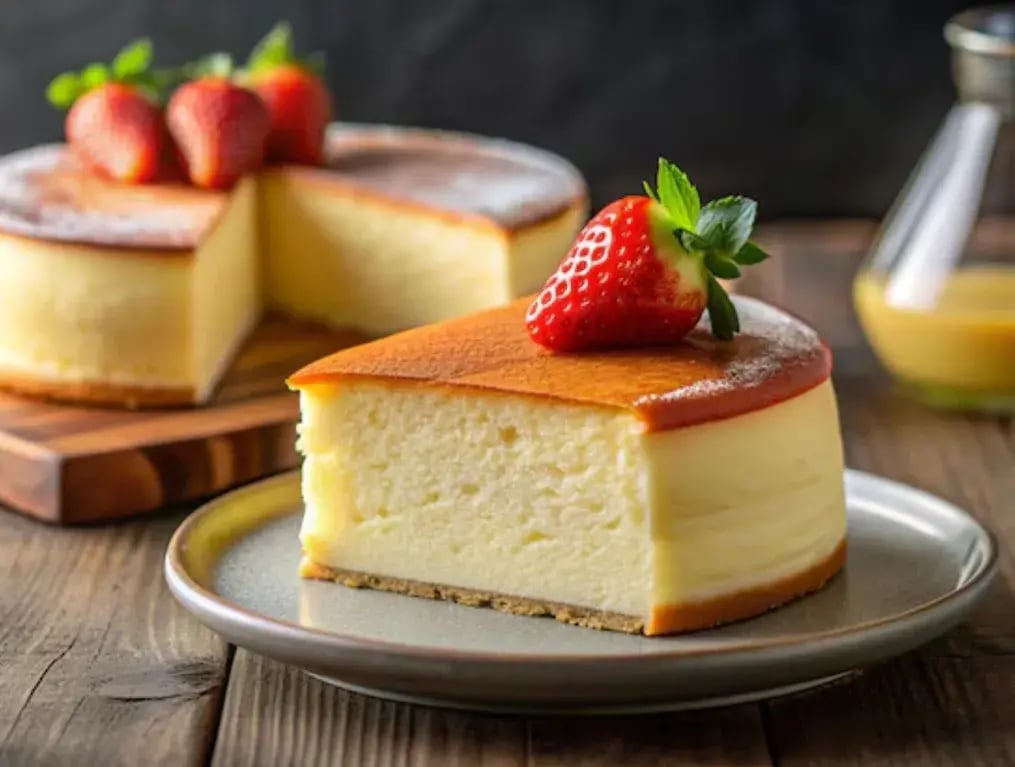
Tips for the Perfect Japanese Cheesecake
Condense 8 tips down to 5-6 to control word count; merge "pan preparation" into the "water bath" tip since they're related steps.
Retain the most critical, search-worthy tips: room temperature ingredients, folding technique, oven temperature/water bath, and cooling slowly.
Pull out the toothpick tip into its own short section since "how to tell if cheesecake is done" is a common standalone search.
Keep the clean-with-crumbs indicator as-is.
Add a short section on fridge storage duration and whether it can be frozen, since this isn't currently addressed.
Keep to 2-3 lines to stay within word count.
Conclusion
Add a short 2-3 line wrap-up reassuring readers that patience and technique lead to bakery-style results at home.
Tips for the Perfect Japanese Cheesecake
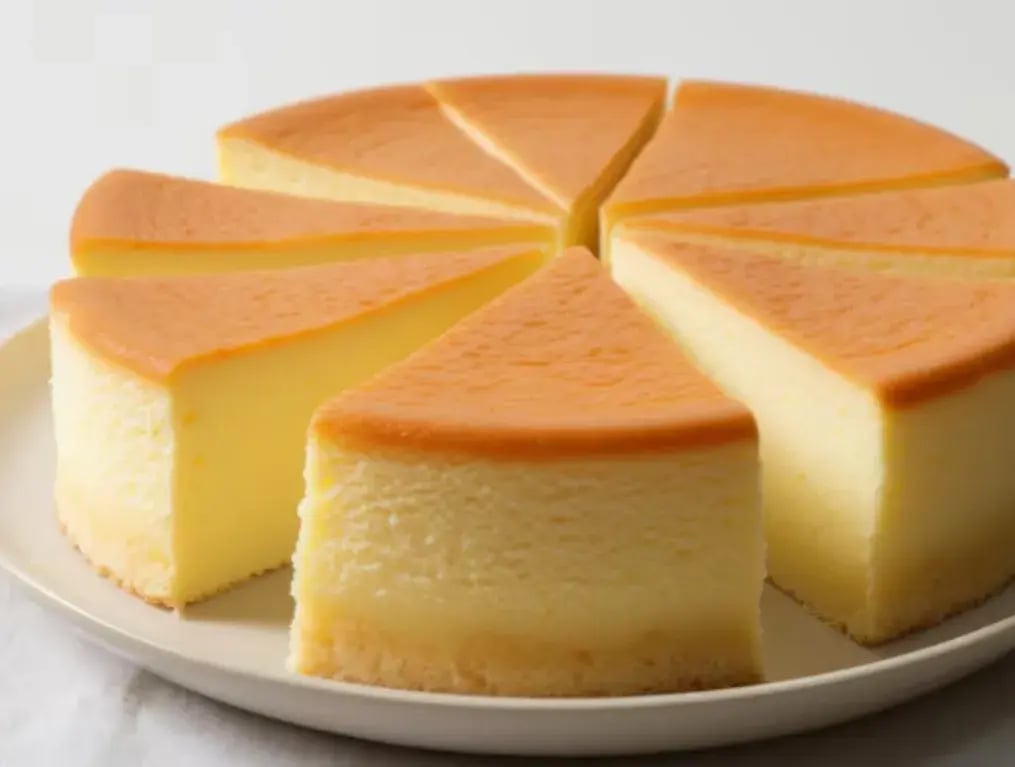
1. Room Temperature Ingredients Are Essential
Using room temperature ingredients is critical to making a perfect jiggly Japanese cheesecake. This ensures the cream cheese, eggs, and butter mix together smoothly, and no lumps will form. Cold ingredients will cause the mixture to seize and form curds,s which will affect the texture of your cake.
2. Folding Is Key
When incorporating the whipped egg whites into the batter, folding is the key to keeping the cake airy. Use a spatula and fold gently in a figure eight motion; don’t deflate the meringue. If you stir too hard, the air in the batter will escape,e and the cake will be denser.
3. Right Oven Temperature
Baking a Japanese cheesecake is all about the balance of heat. Too high and the cake will rise too fast and collapse; too low and it will be undercooked. Preheat your oven to 160°C (320°F) and bake the cheesecake in a water bath.
4. Water Bath
Baking your cheesecake in a water bath is crucial for a smooth texture. The water around the pan helps regulate the temperature so the cake doesn’t overcook or crack. Place the cake pan in a larger pan filled with hot water that comes about halfway up the sides of the cake pan. Line your cake pan with parchment paper so the cake releases easily once cooled. Also, wrap the outside of the pan with aluminum foil before placing it in the water bath so water doesn’t get into the cake.
5. Cool Slowly To Prevent Cracking
Let the cheesecake cool slowly in the oven with the door slightly ajar. This prevents sudden temperature changes that can cause cracks on the surface. Once it has cooled for 15 minutes in the oven, remove it and let it cool to room temperature before refrigerating.
How to Check for Doneness
To check if your Japanese cheesecake is done, insert a toothpick or skewer into the center of the cake. If it comes out clean or with just a few moist crumbs, it’s done. If it’s wet or has batter consistency, bake for a few more minutes and check again.
How to Store Japanese Cheesecake
Store Japanese cheesecake in an airtight container, or wrap it tightly in plastic wrap. Keep it in a cool, dry place, such as a refrigerator for 4-5 days or the freezer for 2 months.
Conclusion
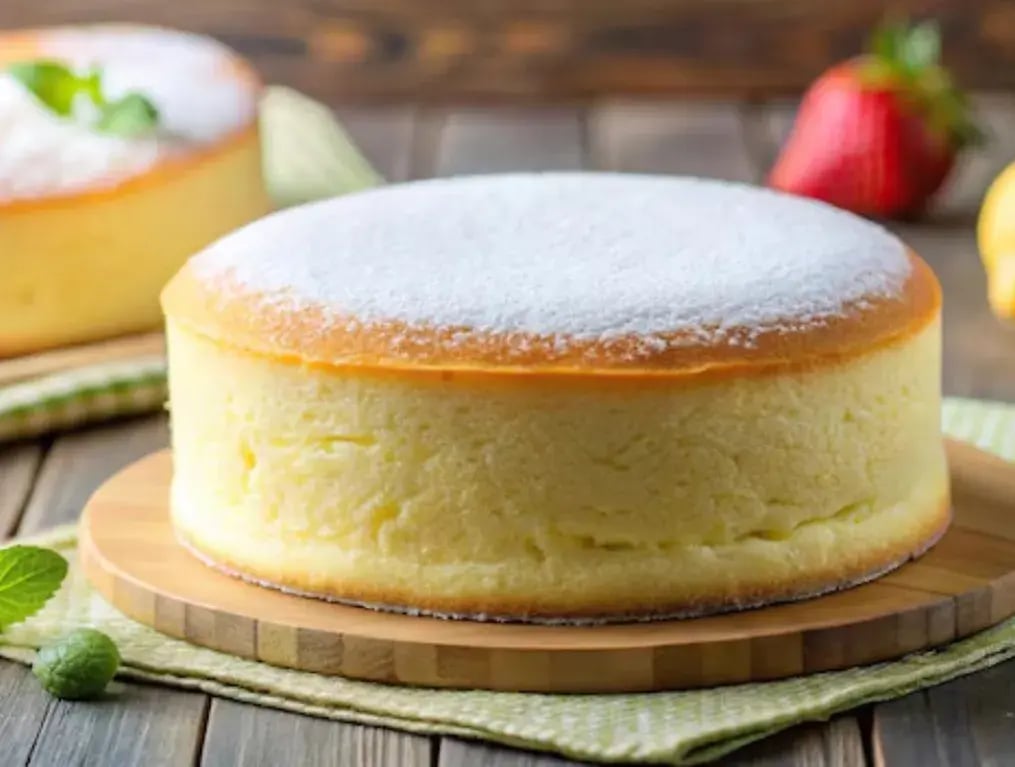
Don't fret if you are not able to master the recipe right away, as it takes patience and technique in order to achieve a bakery-style cheesecake. The most important part is not to be too harsh on yourself, and to keep trying till the very end. One day, surely, you will be able to bake the most perfect jiggly Japanese cheesecake ever.
Frequently Asked Questions
Why did my Japanese cheesecake sink or wrinkle? 
It could sink or wrinkle if it is underbaked, cooled too quickly, or overmixed. Make sure to open the oven early, as unstable oven temperatures or insufficiently whipped egg whites can also cause the cheesecake structure to collapse after baking, hence not remaining jiggly.
Can I make Japanese cheesecake without a water bath?
Yes, you can make a jiggly Japanese cheesecake without a water bath; however, the texture may be firmer or more rigid. A water bath provides gentle, consistent heat, helping prevent cracks, burning, and a dry or dense inside.
Like This Article?
More Like This



Popular Articles


Trending Web Stories


Curated Recipes