

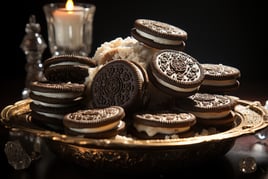


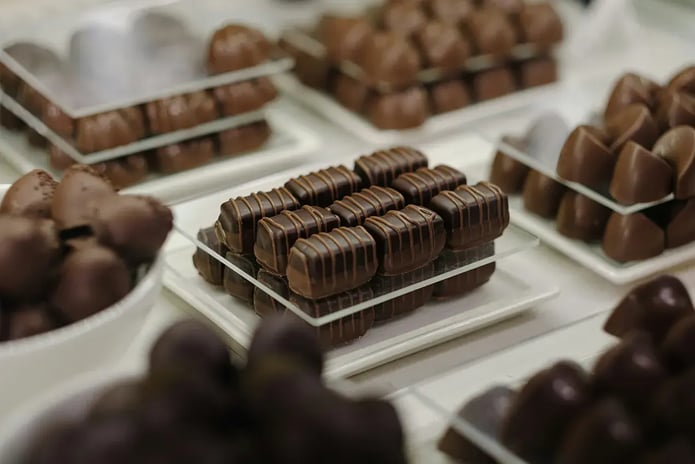


Learn more about Queen Marie Antoinette’s Love for French Desserts and Pastries.
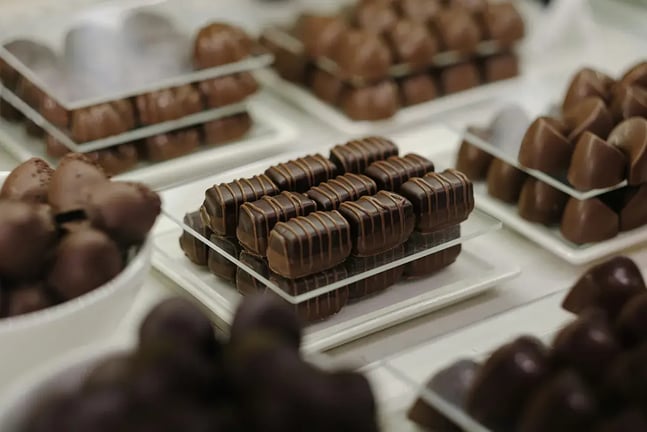
Queen Marie Antoinette is infamous, lately which is making its rounds on social media, for being insensitive enough to declare “Let them eat cake”, something historians tout as false. The Queen had a simple diet as compared to the lavish feasts in the castle, but before she was guillotined, she enjoyed a lot of sugary French desserts in France. She was also nicknamed “Madame Deficit” because she loved to indulge in the riches despite her subjects suffering in poverty. The Queen even had her own chocolatier in Versailles, whose goodies, the King also savored. Let’s dive straight into what else she used to enjoy.
Why Marie Antoinette Was Obsessed With French Sweets
Despite loving sugary delights, she was also famed for her nonexistent waist, something that had to do with her meal timing – breakfast like a King, lunch like a Queen, and dinner like a peasant. She was known to nibble on food throughout the day, especially sweets, but the terrible smell in the Versailles palace due to lack of indoor plumbing perhaps contributed to her food intake too. Even her drinks were fruity and infused, she loved lemonade, and orange blossom water and only drank special imported water. That being said let’s take a tour of what the Queen enjoyed.
Croissants – The French Pastry Marie Antoinette Loved
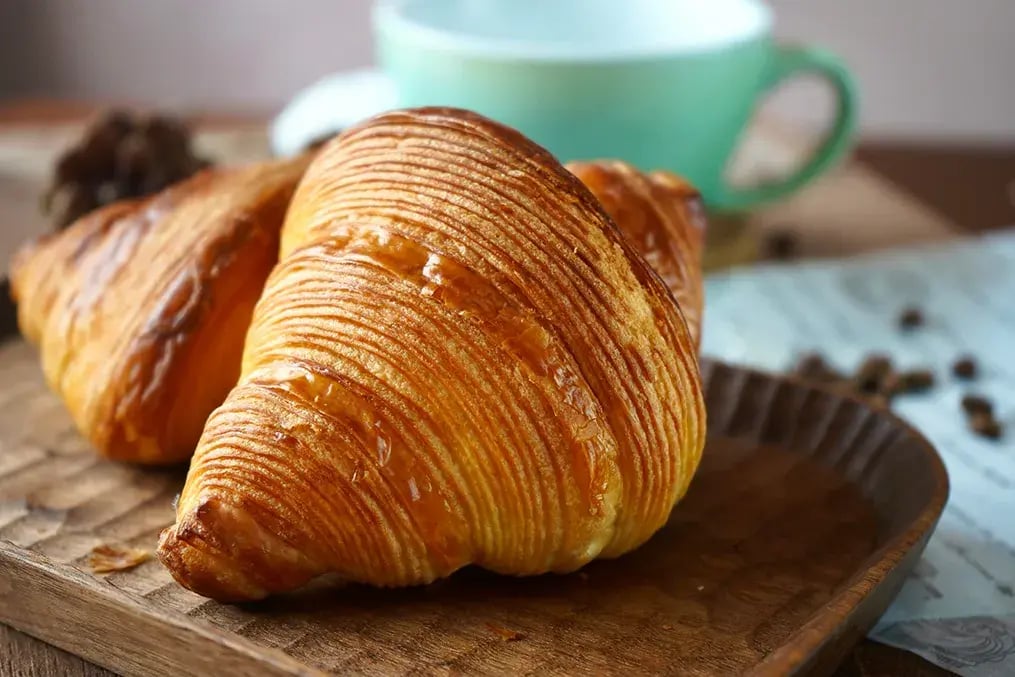
Like many French folks today including the ones who love a great French breakfast, the Queen loved warm pastries, in particular, freshly baked croissants. It was likely she was munching on the Viennese version of croissant before the French adopted it as their national stereotype and much-loved baked goodie. Nowadays the term croissant always denotes the artful multi-layered French croissant that ranges from plain ole butter desserts to also falling under chocolate desserts, as tourists are often seen dipping their croissants in melted chocolate.
Petit Fours – Tiny French Cakes Fit for Royalty
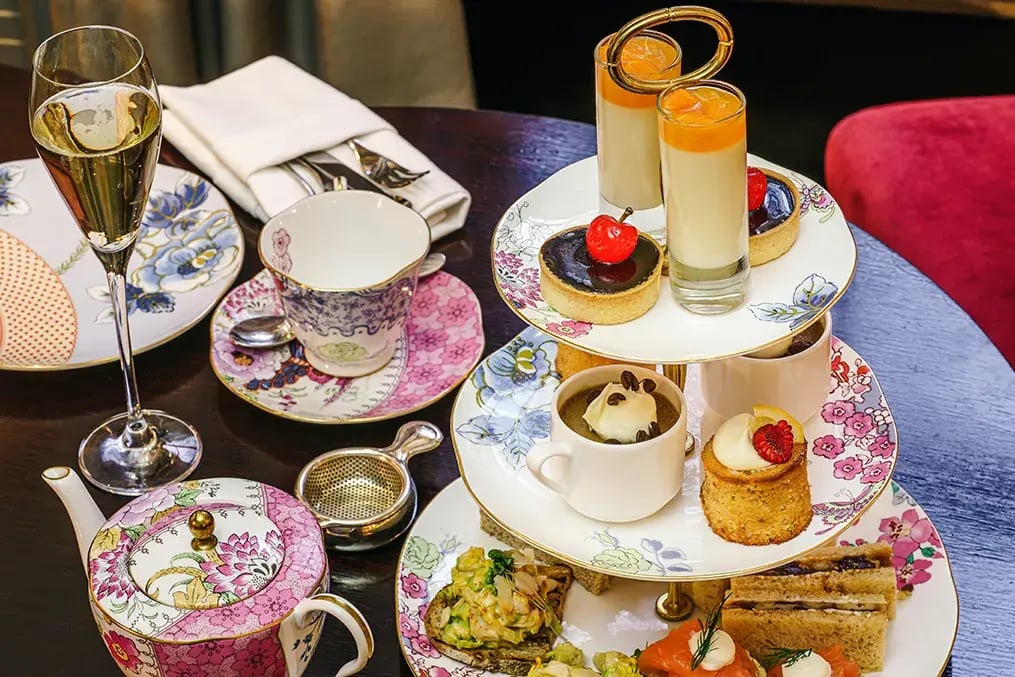
Just like Marie Antoinette’s slim waist, Petit Fours are dainty and a French confection that comes in small sizes. These elegant desserts were served in royal gatherings. Among the confections that the Queen loved, this one is perhaps the only one that felt and looked fit enough to feed royalty. The Jam-filled sponge cake pastries are made with sponge cake layered with jam or frosting and typically coated in white chocolate or fondant. During her reign, the pastries might have been much simpler.
French Hot Chocolate – Marie Antoinette’s Favorite Morning Drink
Marie Antoinette liked to pair her warm baked pastries, the likes of croissants, with hot chocolate, which she loved to enjoy with whipped cream. Most of us might have hot chocolate on a cold winter evening or night, but Marie Antoinette had hers for breakfast. It was not only Marie Antoinette who enjoyed this drink known to have aphrodisiac and energizing qualities, the whole French court loved it. The French Court sipped on hot chocolate so much that it paved the way for its boom during the Industrial Revolution as well.
Crystallized Fruits and Candied French Sweets
Not quite that far off from the candied fruits, there is not much of a difference between candied, glacé, or crystallized fruit. Crystallized fruits were among the many sweets she loved. She also enjoyed fruits that were beyond their season, courtesy of owning a garden that grew fruits atypical of their season.
Chocolate and the Rise of French Dessert Culture
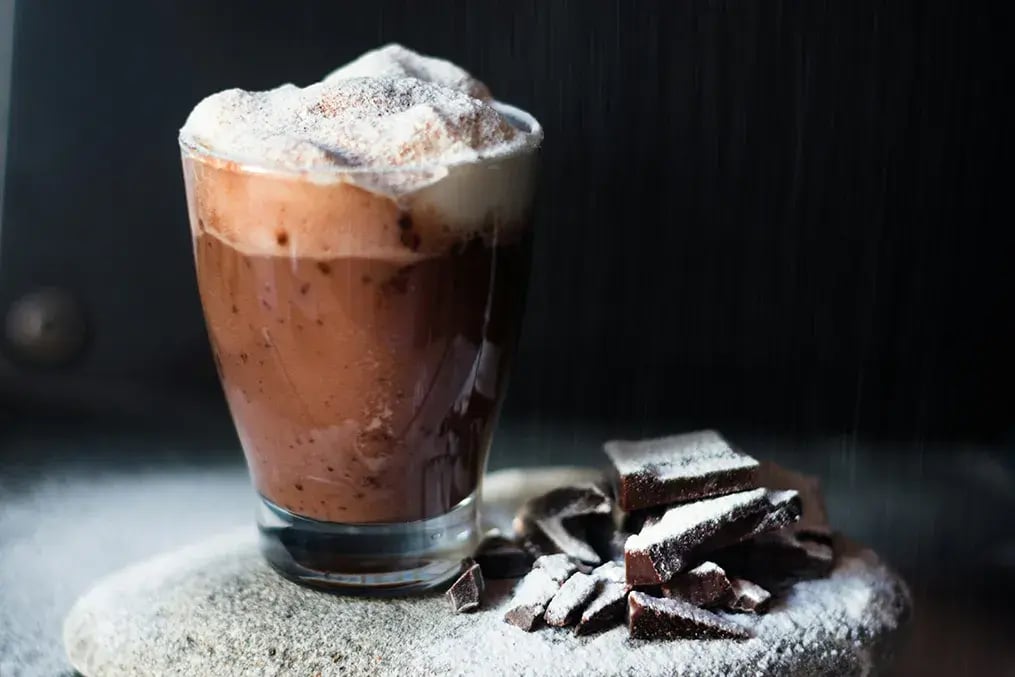
Chocolate was brought to France by the Spanish and thereby also invaded the French court, which prompted the establishment of a Versailles chocolatier catering exclusively to the King and Queen. But the great irony is that cocoa which forms the base of chocolate, was introduced to Marie Antoinette as sweet pellets (pistoles) by Sulpice Debauve, a pharmacist to the court of Louis XVI, to make bitter medicines more palatable for the Queen. He knew that the Queen loved hot chocolate, and used cocoa powder mixed with almond milk to create coin-like discs that paved the way for other varieties of chocolates, which took another decade or so.
French Macarons Before They Became Famous
Similar to the croissant’s tale, the current petite and fancy-looking macarons were hardly present when the Queen was still reigning and alive. The tale of macarons is attached to another queen in French history, which dates back to 1533 when the Italian Catherine de' Medici married Henry the II and brought with her a team of Florentine chefs to Paris. They had made a cookie with almond paste and it was just a simple biscuit which was quite delicious. This is what Marie Antoinette also enjoyed several years down the line, because the modern macaron took form only in 1930 invented by Pierre Desfontaines, the descendant of the founder of Laudurée.
Famous French Desserts Inspired By Royal French Cuisine
Some of the famous french desserts inspired by royal french cuisine are Crème brûlée, Éclairs, Madeleines, Profiteroles, Tarte Tatin and Chocolate soufflé. French royal cuisine had a significant effect on the development of haute patisserie. This was especially true during the reigns of Louis XIV and Louis XVI, when dessert culture became a sign of class and artistic sophistication. The royal kitchens at Versailles pushed people to make very fancy sweets that put an emphasis on balance, richness, and presentation. Desserts like early versions of soufflés, complex custard-based entremets, almond pastries, and fruit-glazed tarts were made to impress guests from the upper class. Fine sugar work, candied fruits, and decorative pastry structures showed that the people were wealthy and that they were trying new things in the kitchen. For Marie Antoinette, fancy pastries and fancy table settings became even more popular.
Traditional French Desserts That Defined French Patisserie
Some of the desserts that define french patisserie are butter-heavy pastries, layered sponge cakes, chocolate-based desserts, custards and cream-filled sweets. Classical patisserie is built around traditional French desserts, which show off the technical skill that has been built up over hundreds of years. Some famous examples of pastries are crème brûlée, mille-feuille, tarte Tatin, éclairs, profiteroles, and macarons. Each of these shows a different set of pastry skills, like caramelisation, lamination, making choux, and making almond meringue. The sweetness, texture, and skill with which these desserts are made are all just right. Crème brûlée has a smooth custard filling and a crunchy caramel crust. Mille-feuille has layers of light puff pastry and rich pastry cream. With the inverted baking method, Tarte Tatin has a base of caramelised fruit. Together, these desserts define what French patisserie is all about. They stress discipline, refinement, and culinary artistry in a way that has spread to other dessert traditions around the world and is still a big part of training to be a professional pastry chef.
Why French Desserts Became Famous Worldwide
French desserts became famous worldwide because of Influence of French culinary schools In the rest of the world. The French also colonised major parts of the world where they brought their cuisine. Their precision pastry techniques were praised because they could balance texture and flavor without making the desserts overpowering with sugar. French desserts also came with their own history and a story to tell, which made them interesting and more delicious. This gave rise to French cafés and bakeries globally.
Most Popular French Desserts To Try Today
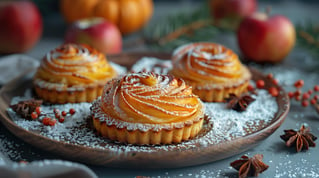
Some of the widely popular french desserts to try are colourful Macarons, Croissants Crème brûlée, Éclairs, Mille-feuille, Madeleines and Chocolate soufflé. Crème brûlée is a custard that is creamy on the inside and has crunchy sugar on top. Macarons are colourful cookies made from almond meringue that are filled with buttercream or ganache. Choux pastry is used to make éclairs, which are filled with cream and covered in chocolate. Mille-feuille is a type of pastry that combines crisp pastry with smooth cream. Tarte Tatin is an upside-down apple tart that has been caramelised. Profiteroles are made with light pastry and cream inside. These delicious desserts treat you with the real French baking taste and hold a history on their own.
FAQs About French Desserts and Marie Antoinette
What desserts did Marie Antoinette enjoy? 
Rich hot chocolate, delicate almond pastries, chocolate coins called pistoles, and early croissants were among her favorite delights.
Did Marie Antoinette really say “Let them eat cake”?
No, this phrase is a myth and pop culture reference.
What is the most famous French dessert?
Crème brûlée is arguably the most famous and beloved French dessert worldwide.
What is special about French patisserie?
French patisserie is unique due to its unwavering commitment to fine artistry, accuracy, and the use of high-quality ingredients.
Like This Article?
More Like This

Popular Articles


Trending Web Stories


Curated Recipes