











Celebrate Navratri with an array of delicious prasad recipes! Discover delightful Navratri food recipes and traditional Navratri sweets to enhance your festive experience over the nine days of devotion.

Navratri is that time of the year when most Indian households gear up to pray, fast, decorate houses, and switch to sattvic foods. Besides celebrating the feminine energy and the triumph of good over evil, this festival is also about enjoying delicious Navratri-special offerings for nine long days.
What Is Traditionally Offered as Navratri Prasad?
Navratri-special offerings traditionally include pure, vegetarian, and sattvic foods. While the fasting traditions and rules vary widely across regions, the most common items include vrat-friendly flour-based halwas, fluffy puris made with kuttu flour or singhare ka atta, paired with seasonal vegetables as per the fasting rituals, makhana kheer, sabudana papad or tikki, fresh cut fruits, and vrat-friendly sweets like amaranth (chulai) ladoo.
Navratri Prasad Recipes For 9 Days
Day 1: Sabudana Khichdi

Ingredients
- 200 gm sabudana (tapioca pearls)
- 200 gm potatoes, diced
- 10 gm green chilies, chopped
- 5 gm cumin seeds
- 30 gm ghee
- Salt to taste
- 10 gm chopped coriander for garnish
Instructions:
- Served on the first day of the festival, Sabudana Khichdi is made from tapioca pearls
- To make this dish, soak sabudana in water for three to four hours, then drain
- Next, heat ghee in a pan and add cumin seeds
- Once they splutter, add diced potatoes and green chilies and sauté until the potatoes are soft
- Mix in the soaked sabudana and salt
- Cook for five to seven minutes
- Garnish with chopped coriander before serving
Day 2: Kuttu Ki Poori

Ingredients
- 200 gm kuttu
- 200 gm potato
- 10 gm green chilies
- Salt to taste
- Water as needed
- 50 gm ghee for frying
Instructions:
- To enjoy this gluten-free dish on the second day, take a bowl and combine kuttu flour, mashed potato, green chilies, and salt
- Add water gradually to form a soft dough
- Divide the dough into small balls and roll them out into round puris
- Heat ghee in a pan and fry the puris until golden brown on both sides
Day 3: Singhare Ki Halwa
Ingredients
- 200 gm singhara flour
- 150 gm milk
- 100 gm sugar
- 50 gm ghee
- Chopped nuts for garnish
Instructions:
- On the third day, prepare this delightful sweet made from water chestnut flour
- To try this at home, heat ghee in a pan, add some singhara flour, and roast until fragrant
- Next, gradually add milk and keep stirring continuously to avoid lumps
- Once it thickens, add sugar and mix well until the halwa reaches a pudding-like consistency
- Garnish with chopped nuts before serving
Day 4: Aloo Tamatar Ki Sabzi
Ingredients
- 300 gm potatoes
- 200 gm tomatoes
- 5 gm cumin seeds
- 10 gm green chilies
- Salt to taste
- 30 gm oil
Instructions:
- For the fourth day, go for this comforting potato and tomato curry that pairs well with fasting foods
- Heat oil in a pan, add cumin seeds, and let them splutter
- Add green chilies and chopped tomatoes; cook until soft
- Add cubed potatoes, salt, and a little water
- Cover and cook until potatoes are tender
Day 5: Coconut Ladoo

Ingredients
- 200 gm grated coconut
- 100 gm condensed milk
- 50 gm almonds, chopped
- 1/2 tsp cardamom powder
Instructions:
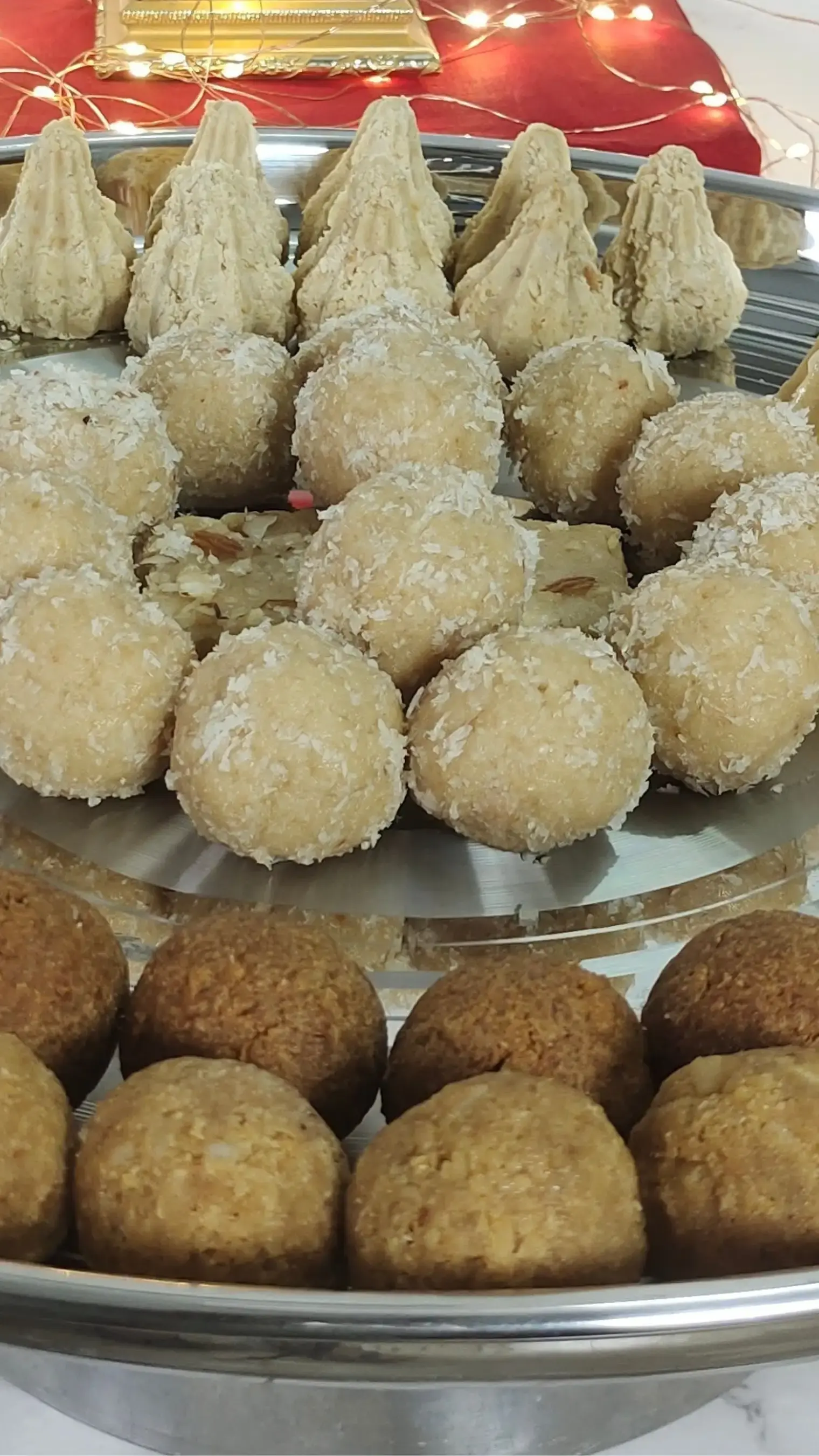
- On the fifth day, treat yourself to Coconut Ladoo, a sweet and nutritious delicacy that’s easy to make.
- To make this, mix grated coconut and condensed milk in a pan and cook for a few minutes until combined
- Once done, remove it from the heat, add cardamom powder and chopped almonds
- Once cool, shape the mixture into small balls
Day 6: Methi Thepla
Ingredients
- 200 gm whole wheat flour
- 100 gm fresh methi leaves
- 5 gm turmeric powder
- 5 gm cumin powder
- Salt to taste
- Water as needed
- 30 gm oil for cooking
Instructions:
- On day six, try this savory delight
- Mix whole wheat flour in a bowl with chopped methi leaves, turmeric, cumin, and salt
- Add water gradually to form a soft dough
- Roll into thin flatbreads and cook on a hot tawa with a little oil until golden brown
Day 7: Paneer Tikka
Ingredients
- 200 gm homemade paneer, cubed
- 50 gm yogurt
- 10 gm red chili powder
- 5 gm turmeric powder
- Salt to taste
- 100 gm bell peppers, cubed
- Skewers
Instructions:
- Celebrate the seventh day with some flavorful Paneer Tikka
- In a bowl, mix yogurt, chili powder, turmeric, and salt
- Marinate the paneer, bell peppers, and onions in the mixture for 30 minutes
- Thread the marinated ingredients onto skewers and grill until charred
Day 8: Sooji Halwa
Ingredients
- 200 gm semolina (sooji)
- 100 gm sugar (adjust to taste)
- 150 gm ghee
- 400 gm water
- 5 gm cardamom powder
- Chopped nuts for garnish (optional)
Instructions:
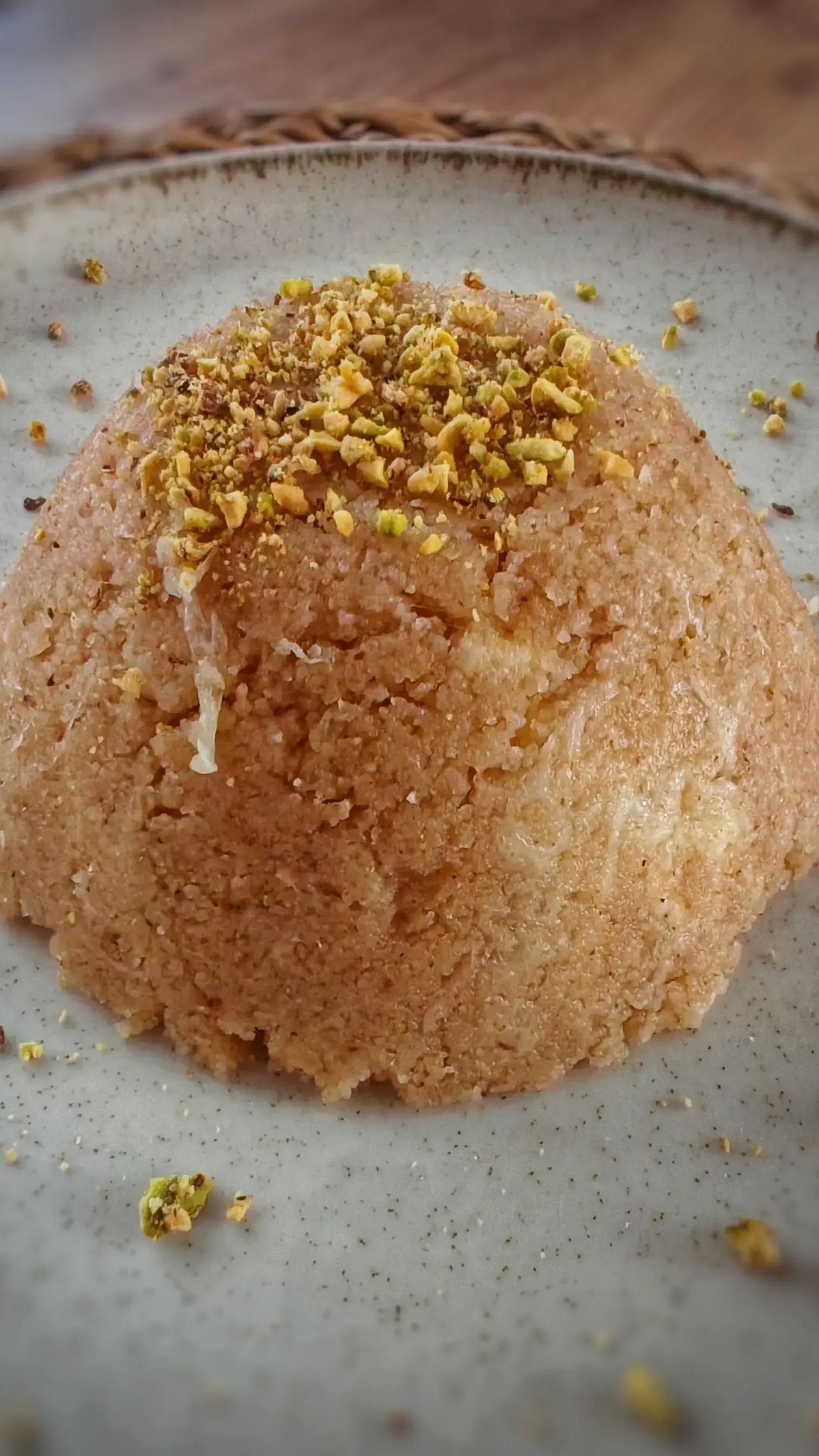
- Add some sweetness to the celebrations on day eight with this classic sooji halwa
- To make this halwa at home, heat ghee in a pan, add semolina, and roast until golden
- In a separate pot, boil water and add sugar; stir until dissolved
- Gradually pour the sugar water into the roasted semolina, stirring continuously until it thickens
- Add cardamom powder and garnish with nuts
Day 9: Fruit Chaat
Ingredients
- 200 gm assorted fruits (apple, banana, pomegranate, etc.), chopped
- 10 gm lemon juice
- 5 gm chaat masala
- 15 gm honey (optional)
Instructions:
- End your Navratri celebrations with a refreshing fruit chaat
- To make this, combine the chopped fruits in a bowl
- Drizzle with lemon juice and sprinkle chaat masala
- Add honey if desired, and toss everything together gently
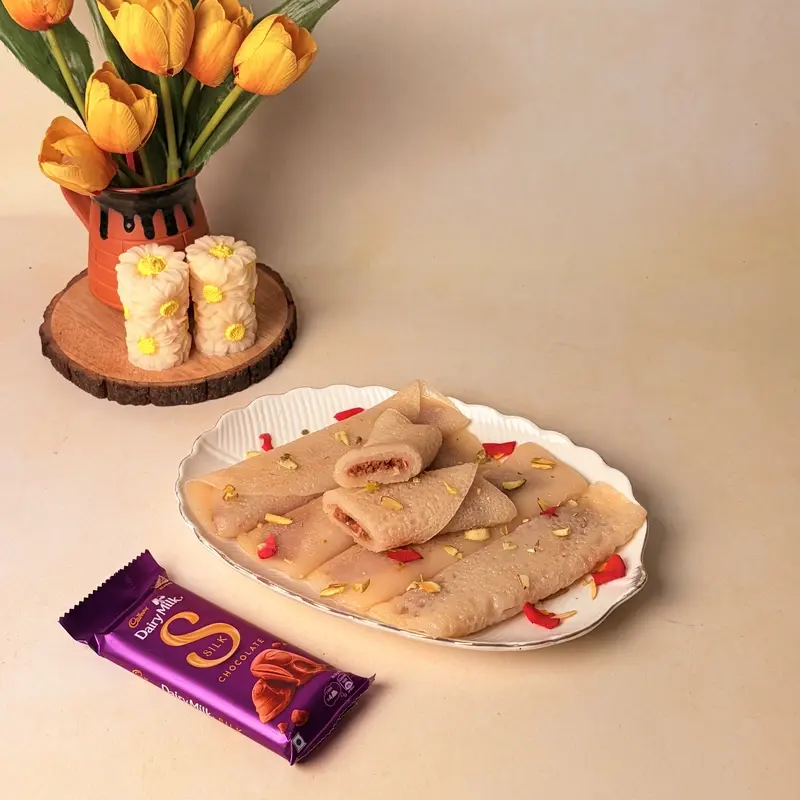
- Additionally, one can also offer Sandesh and Mysore Pak to Devi, adding a sweet touch to the devotion and making the festive spirit even more vibrant
Tips For Planning Navratri Prasad
- Stick to Sattvik fasting rules: While planning Navratri prasad, make sure the kitchen remains clean and pristine, and the food must be prepared with pure intentions and ingredients.
- Know what is banned: Make sure the vrat-friendly offerings do not contain onion, garlic, common table salt, or grain flours.
- Use fasting-approved ingredients: Plan your Navratri prasad with pure, fasting-approved ingredients and adhere to your specific regional traditions.
- Buy essentials in bulk: Stock up on vrat-friendly items like
Kuttu or Singhara flours, Sabudana, Makhana (foxnuts), and premium dry fruits. The demand and prices for these items often skyrocket during the festival.
Frequently Asked Questions
What foods can be offered as Navratri prasad? 
Navratri prasad or offerings usually include pure, vegetarian, and sattvic foods like Halwa and chana, kheer, fresh fruits, malpua, sabudana khichdi, makhana kheer, and more.
What can I make for Navratri bhog?
You can make traditional sattvik dishes like Halwa-puri-chana, makhana kheer, Sabudana khichdi, regular kheer, malpua, and dry fruits halwa for your Navratri bhog.
Are all Navratri prasad recipes vrat-friendly?
No. Not all Navratri prasad recipes are vrat-friendly. Some of the traditional offerings like sooji halwa, wheat atta halwa, or black chana sundal are devotional prasad but contain grains and legumes that are forbidden during strict Navratri fasting.
Can Navratri prasad be prepared in advance?
Yes. Navratri prasad can be prepared in advance, but it is always better to make fresh prasad for offering to the lord. However, it largely depends on the type of dish you are making. Dry sweets and snacks can be made ahead. Milk-based dishes and dried food items are made fresh.
Like This Article?
More Like This




Popular Articles


Trending Web Stories



Curated Recipes