





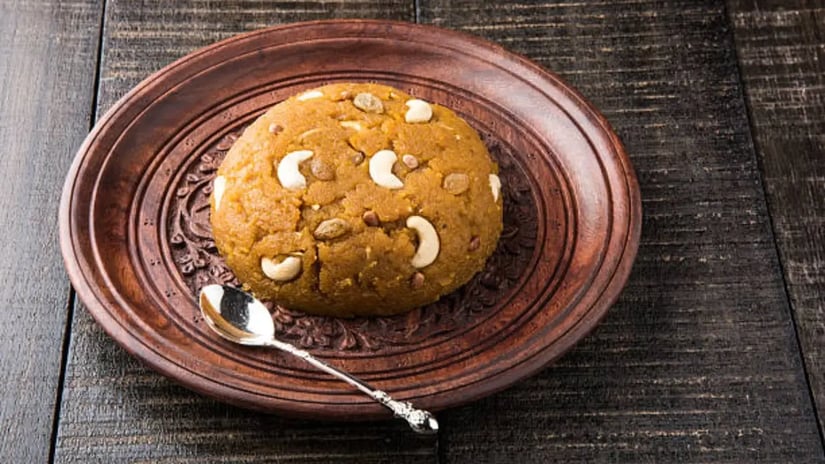


Skip lengthy stirring with these practical moong dal halwa shortcuts, along with mistakes to avoid and popular sweet variations.
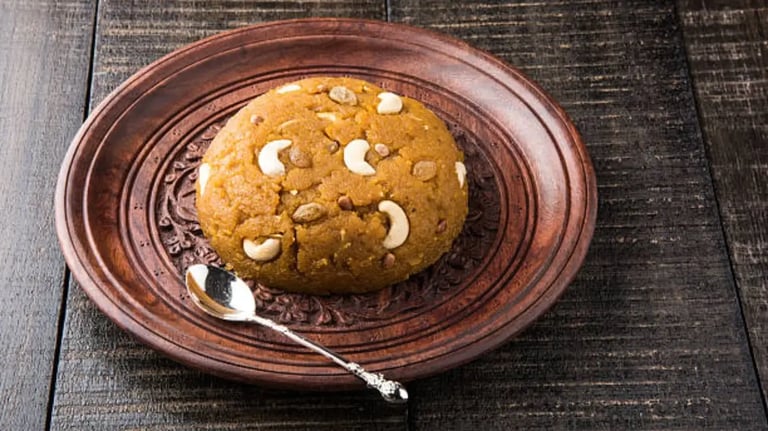
Traditional moong dal sweet recipes are known for their rich texture, ghee-based flavor, and slow cooking process. Moong ki dal ka halwa is one of the most popular examples, but the long stirring time can make it difficult to prepare on a busy day. The dal needs proper cooking, and the mixture must be stirred regularly to prevent sticking and uneven cooking.
A few cooking shortcuts can reduce the effort without changing the basic character of the halwa. Soaking the dal before grinding, using a heavy-bottomed pan and preparing the mixture in stages can make the process easier. A pressure cooker can also help soften the dal before the final cooking stage.
The main goal is not to remove the traditional steps completely. Good moong dal sweet recipes still need enough cooking time for the raw dal flavor to disappear and for the ghee, sugar, and milk to combine properly. The shortcuts simply make the process easier.
The same dal can also be used for other Indian sweets. Moong dal ki barfi, moong dal sheera, and moong dal laddu offer different textures and preparation methods. These options are useful if you enjoy moong dal sweet recipes but want something besides halwa.
How To Prepare Moong Dal Halwa
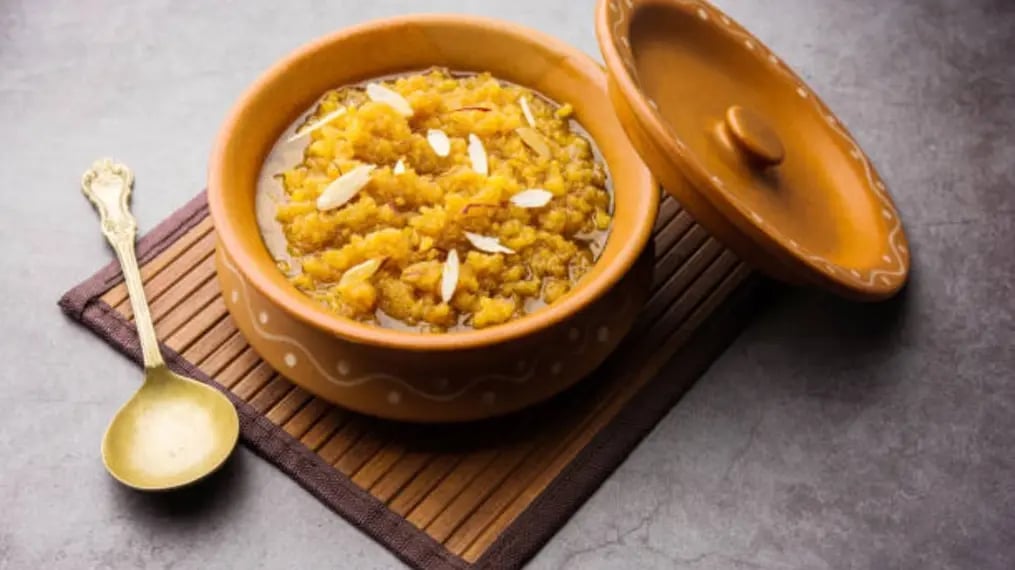
Ingredients
- Yellow moong dal – 1 cup
- Ghee – ½ cup
- Full-fat milk – 2 cups
- Water – 1 cup
- Sugar – ¾ cup
- Cardamom powder – ½ teaspoon
- Chopped almonds – 2 tablespoons
- Chopped cashews – 2 tablespoons
- Pistachios – 1 tablespoon
- Saffron – 6 to 8 strands, optional
Instructions
- Wash the moong dal thoroughly and soak it in water for 3–4 hours
- Drain the water and grind the dal into a coarse paste without adding too much water
- Heat half the ghee in a heavy-bottomed pan
- Add the ground dal and cook over low to medium heat, stirring regularly
- Continue roasting until the dal changes color and the raw smell disappears
- Heat milk and water separately and add the warm mixture gradually to the roasted dal
- Stir well and cook until the dal absorbs the liquid
- Add sugar and mix thoroughly
- The mixture will loosen slightly
- Add the remaining ghee and continue cooking until the halwa thickens and begins leaving the sides of the pan
- Add cardamom, almonds, cashews and pistachios
- Cook for another 2 minutes and serve warm
3 Shortcuts Tested to Make Moong Dal Halwa
Soak the Dal Before Grinding
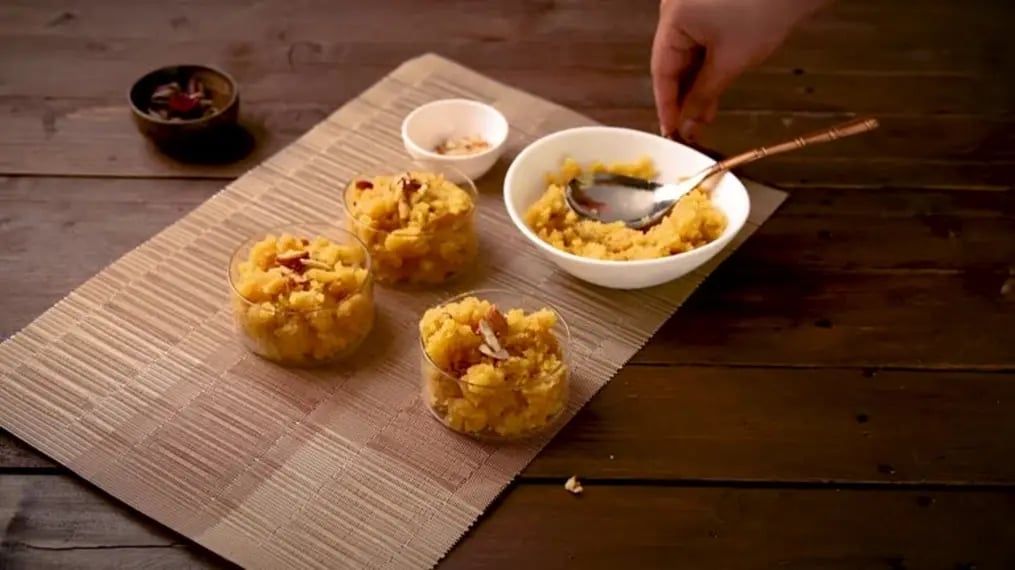
Soaking softens the dal and makes grinding easier. A coarse paste also cooks faster than dry dal that has not been soaked. This shortcut works well for moong dal sweet recipes because it reduces the initial cooking effort while keeping the texture suitable for moong ki dal ka halwa.
Use a Pressure Cooker for the Initial Cooking
A pressure cooker can soften soaked dal quickly with a small amount of water. The cooked dal can then be transferred to a pan for roasting with ghee. This method shortens the initial cooking stage, though you still need to stir regularly during the final roasting.
Use a Wide Heavy-Bottomed Pan
A wide pan spreads the dal mixture across a larger surface, allowing moisture to evaporate faster. A heavy base also distributes heat evenly and reduces the chance of burning. This is one of the simplest shortcuts for moong dal sweet recipes because it improves cooking control without changing the ingredients.
5 Common Mistakes to Avoid
Grinding the Dal Too Smooth
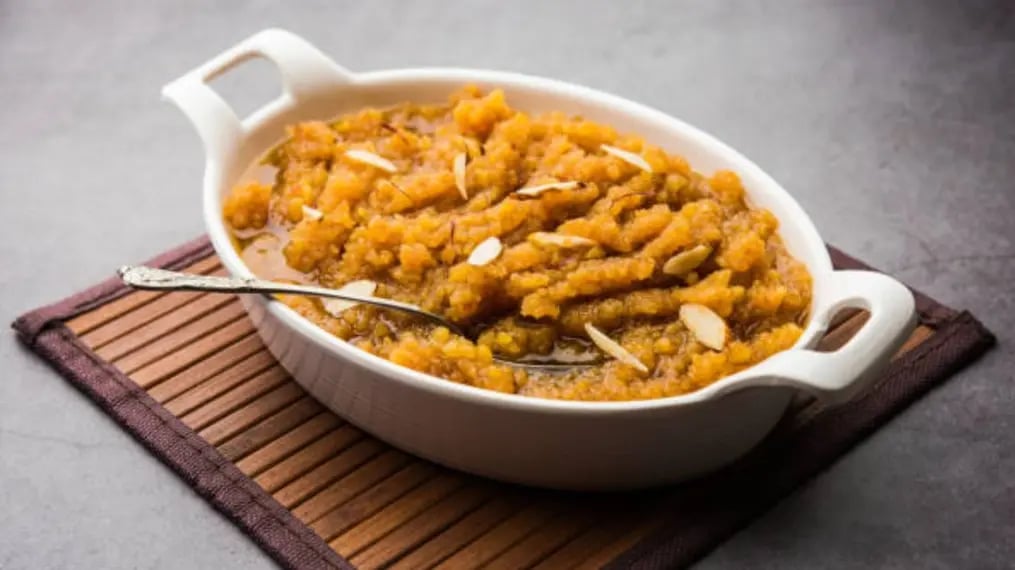
A completely smooth paste can make the halwa dense and pasty. Grind the soaked dal coarsely so it retains some texture. This small detail is also useful for other moong dal sweet recipes, including moong dal ki barfi and moong dal sheera.
Using Too Little Ghee
Ghee helps roast the dal and develops the characteristic flavor of moong ki dal ka halwa. Cutting the quantity too much can leave the mixture dry and make roasting difficult. Measure the ghee properly and add it in stages if needed.
Adding Cold Liquid
Cold milk or water can cause the hot roasted dal mixture to react suddenly and may lead to lumps. Use warm liquid and add it gradually while stirring. This creates a smoother consistency and makes moong dal sweet recipes easier to manage.
Increasing the Heat to Save Time
High heat can brown the dal on the outside while leaving parts undercooked. Keep the flame low to medium during roasting. A little patience at this stage helps develop the right flavor and prevents burnt patches from affecting the final halwa.
Adding Sugar Too Early
Sugar releases moisture and can change the consistency of the mixture. Allow the dal to cook properly before adding it. The same principle applies to moong dal laddu, moong dal ki barfi and other moong dal sweet recipes where texture depends on proper cooking.
Conclusion
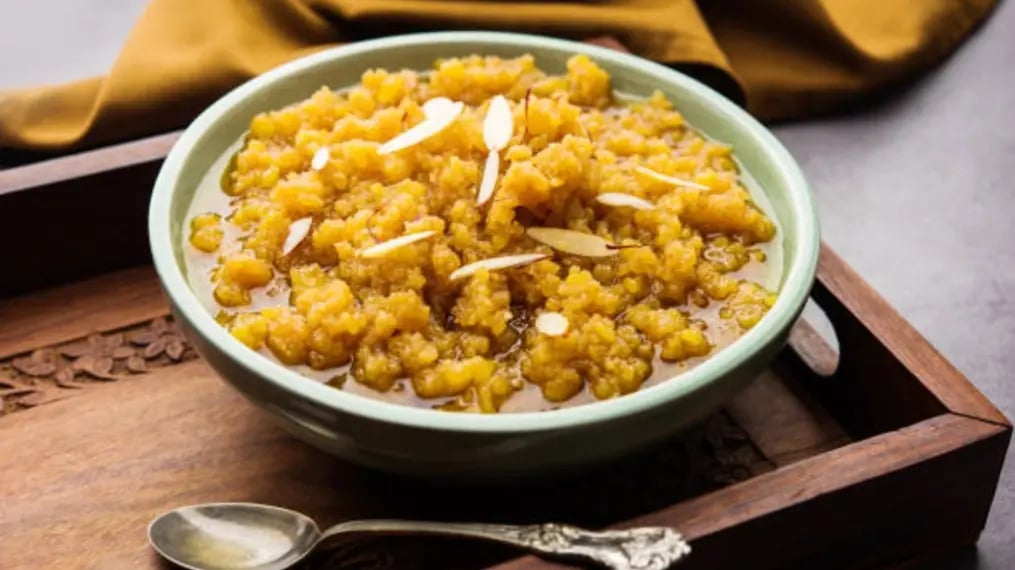
You do not need to spend the entire afternoon stirring a pan to prepare good moong ki dal ka halwa. Soaking the dal, using a pressure cooker for the initial stage, and choosing the right pan can cut down on effort. Proper roasting still matters, so keep the final cooking stage controlled for the best result.
Frequently Asked Questions
How can you make moong dal halwa faster? 
Soak the dal before grinding and use a pressure cooker to soften it. A wide, heavy-bottomed pan can also speed up moisture evaporation during final cooking.
Can moong dal be used for other Indian sweets?
Yes. Moong dal ki barfi, moong dal sheera, and moong dal laddu are popular options. Each uses the dal differently to create a distinct texture.
Why does moong dal halwa require so much stirring?
Stirring helps the dal cook evenly, prevents sticking and allows the mixture to roast properly. Using the right pan and soaking the dal can make the process easier.
Like This Article?
More Like This




Popular Articles


Trending Web Stories


Curated Recipes