











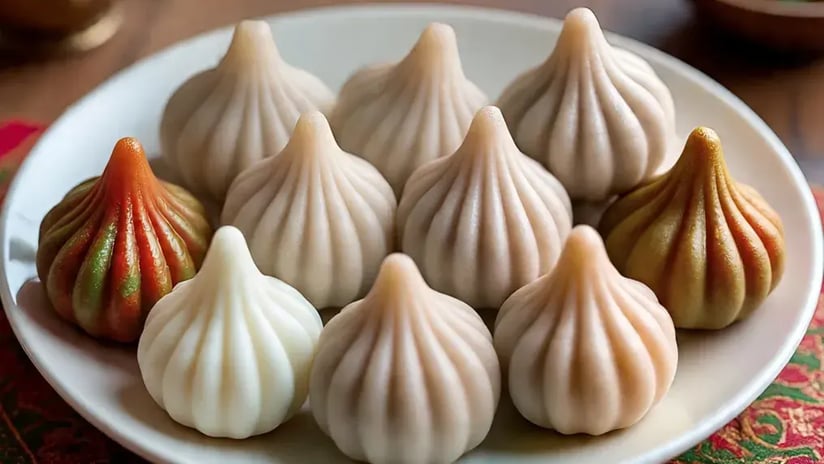


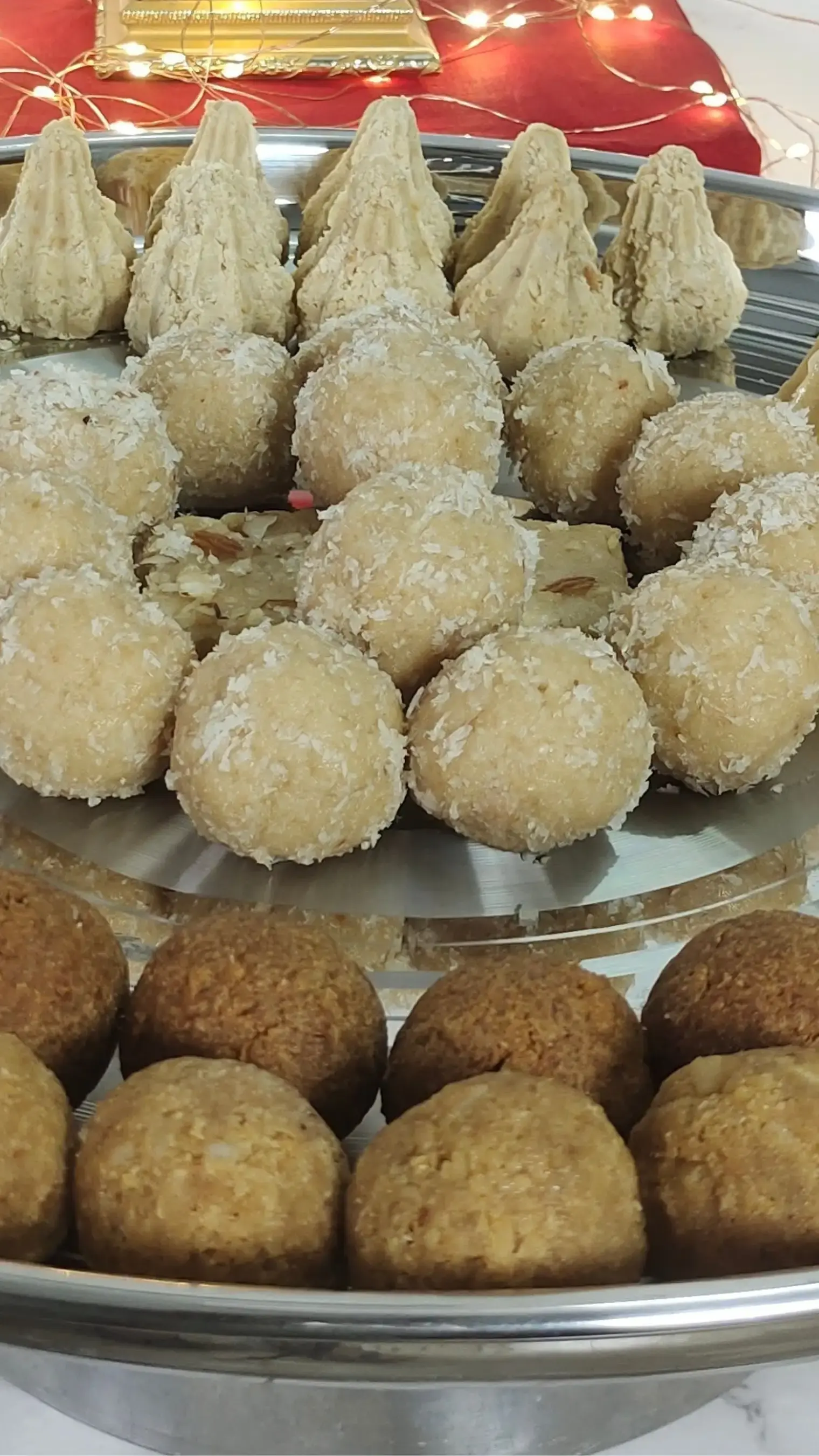
Celebrate Ganesh Chaturthi with a simple modak recipe guide and give it an interesting twist with many filling options. Follow the simple recipe and try out the filling variations listed below.
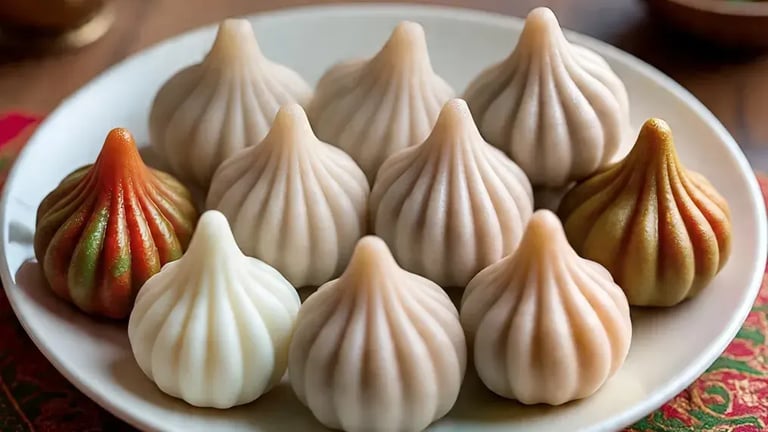
Modak is Bappa’s favorite treat, so it goes without saying that it is prepared for Ganesh Chaturthi. Shaped like small potlis of joy, modak has many variations with different choices for filling and crust, but the core idea remains the same — hiding the sweetness inside. But what makes modak so special? The answer may not be explained in words, but you can feel it in every bite.
Unlike other Indian sweets, modak hits differently. It carries a surprise element with it by hiding the sweet filling inside. Until you take a bite out of it, you would never guess what filling is used. This is what keeps the curiosity lasting and makes the modak so interesting to have. Despite being so elegant and fascinating, making modak at home from scratch is pretty simple. You can use almost any flour to make the shell and filling, and cook it in various ways. From steaming to deep frying, there are many ways to cook modak as per your taste. Some days you want to enjoy the gooey satisfaction of steamed modak, and some days you want to experience the scrumptious, crunchy bite of fried modak. Every variation of modak is just satisfying and extremely comforting.
The best thing about making modak at home is that you can make it perfectly even if you are a beginner at cooking. Many filling options for modak do not require cooking, and you can make them just by combining the ingredients. Ingredients like dry fruits and nuts work best when making a no-cook filling. For cooked variations, mostly boiled pulses are used, which are mashed and combined with a sweetener. Apart from these obvious fillings, there are many more exotic and never-seen-before filling options for modak, which are inspired by cuisines all around the world. This character of modak resembles the diverse and one-of-a-kind culture of India.
This recipe is a simple and beginner-friendly modak recipe that can be made by steaming, baking, air frying, or deep frying. The outer coating uses rice flour, which tastes delicious no matter how you choose to cook it. For the filling, this recipe brings you more than one option so you can keep the surprise element when serving.
Ukadiche Modak Recipe: Step-by-Step Guide
Key Ingredients & Flavor Combinations
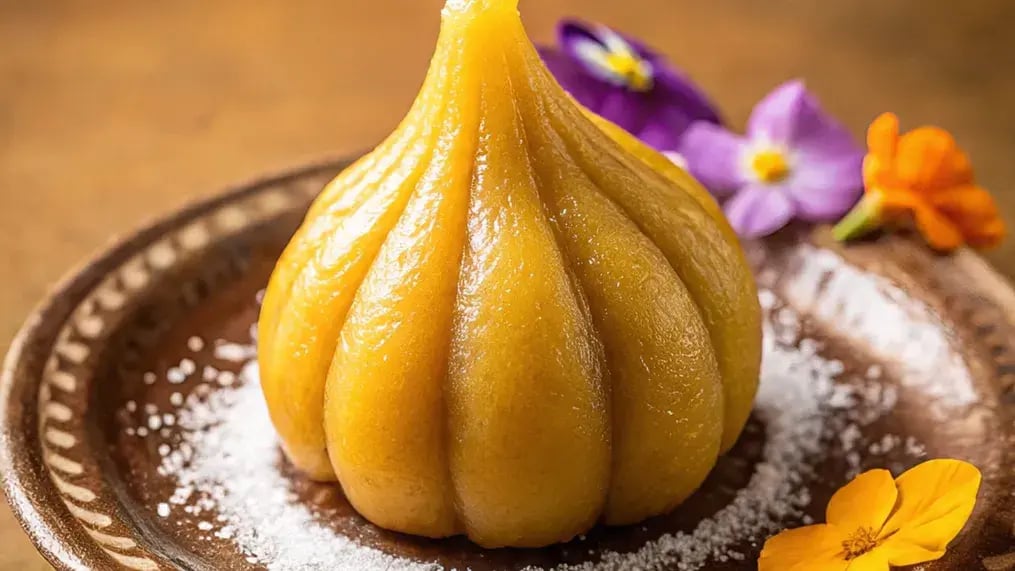
Ingredients for Ukadiche Modak (Steamed Modak):
For the outer dough:
- 1 cup rice flour
- 1 cup water
- 1 tsp ghee (clarified butter)
- A pinch of salt
For the traditional filling:
- 1 cup freshly grated coconut
- 3/4 cup jaggery (grated or chopped)
- 1/2 tsp cardamom powder
- 1 tsp poppy seeds
- A few saffron strands
For a rich modak recipe guide, you can add 1-2 tbsp of chopped nuts like almonds or cashews. A pinch of nutmeg would go really well with coconut and jaggery, and you can also add a splash of rose water for a nice floral note. You can also try adding some dried fruits, sesame seeds, or even a pinch of cocoa powder to the filling for a festive twist.
How to Make
Step 1: Prepare the filling
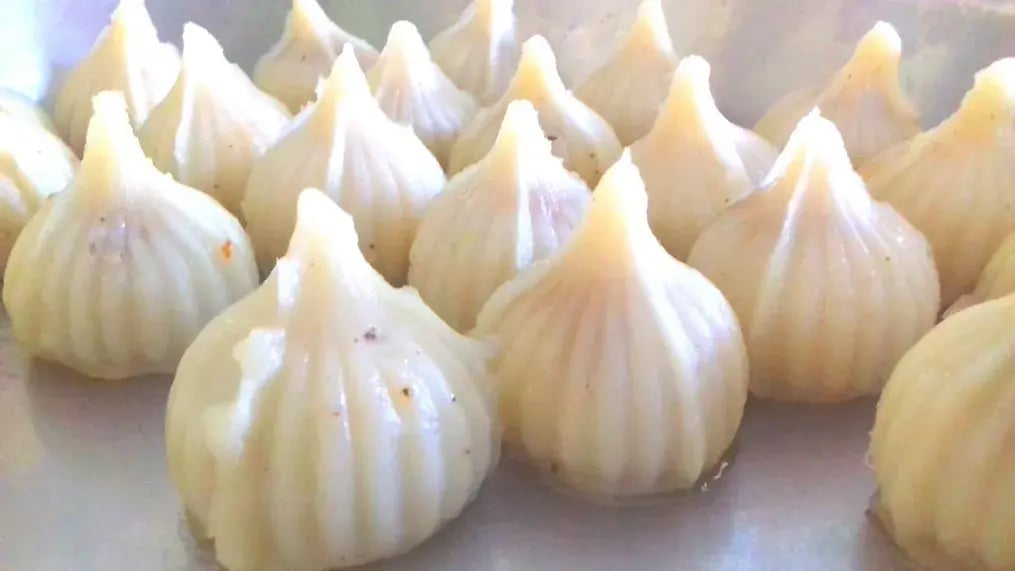
Heat a pan on a low flame. Melt jaggery in it. You can use different sweeteners than jaggery, as mentioned in the filling variations below the recipe. Once jaggery is melted, add grated coconut and mix. Cook for 5–7 minutes till the mixture thickens. Add cardamom powder and optional saffron/poppy seeds. Let the filling cool down completely.
Step 2: Make the dough
Boil 1 cup of water in a separate pan with ghee and a pinch of salt. Once it starts boiling, add rice flour slowly while stirring continuously to avoid lumps. Cover and cook for 2–3 minutes on low flame. Transfer to a plate and knead it into a soft dough while still warm. Grease hands with a little ghee if needed. Cover with a damp cloth to keep it soft.
Step 3: Shaping and filling
Grease your hands and take a small ball of dough. Flatten it into a small disc or bowl shape using your fingers, or you can also roll it using a rolling pin for uniform thickness. Add 1 spoonful of filling in the center. Carefully pinch the edges to make pleats and bring them together to seal the top like a potli. If you have a modak mould, grease it with butter or ghee and stuff the dough and filling into it for easier shaping.
Step 4: Cook Modak
Place all modaks in a steamer or an idli cooker lined with banana leaves or a cloth. Steam for 10–12 minutes on medium heat. You’ll know they’re done when the outer layer turns slightly shiny and translucent. You can also cook it by deep frying, baking, or air frying for different variations.
Tips & Tricks
- Fine rice flour gives the outer layer a smooth finish.
- Make sure the water is boiling before adding ghee or salt, as this helps in making the dough of the right consistency.
- Knead while hot: It is important to knead the dough when it is hot
- Add water or ghee while kneading if the dough is dry
- Do not let the dough dry or crack
- Keep the dough covered with a damp cloth to avoid drying
- The filling should be just enough to close the modak without stretching or tearing the dough
- Cook the coconut and jaggery mixture properly. The mixture has to be cooked enough to make it thick, but not too long, so that it does not dry up
- Use ghee while greasing the mold or hands; this prevents the dough from sticking to the mold or hands
- Steam on moderate flame. Steaming on a low to medium flame keeps the outer covering from hardening
- The outer covering should have a glossy finish
- Steamed modaks are best eaten hot with a dab of ghee.
Filling Variations to Try
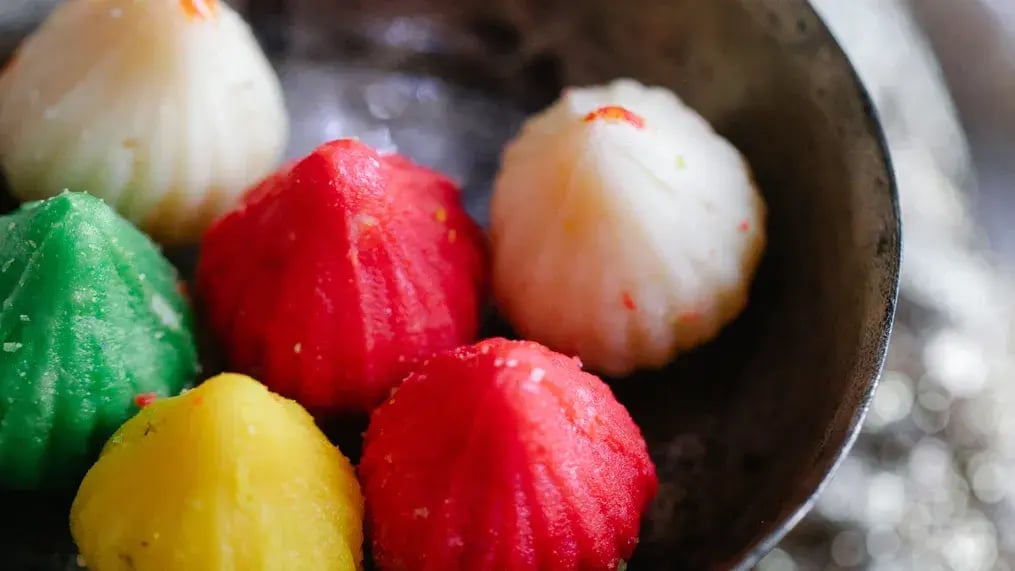
- Dry Fruit Filling: Combine various dry fruits like crushed cashews, almonds, and raisins with khoya and sugar.
- Chocolate Modak: Bring a continental touch with a cocoa powder and sugar mixture combined with grated coconut. You can also use melted chocolate.
- Date and Nut Modak: Blended dates work as a natural sweetener and taste better than jaggery with their deep flavor. Combine blended dates with chopped nuts of your choice and use it as a filling.
- Mawa Modak: Combine roasted khoya with sugar, cardamom, and saffron for a simple mawa filling.
- Fruit Modak: Bring a fruity touch with seasonal fruits. Dice the fruits into small pieces and cook them with sugar to make a compote or a pulp, then use it as a filling.
Cultural Significance of Modak
Modak is a sweet delicacy that has a special place in the festival of Ganesh Chaturthi. It is believed to be the favorite offering of Lord Ganesha and signifies sweetness, prosperity, and the riches of knowledge and spiritual wisdom. As and when the occasion of Ganesh Chaturthi arrives, the ritual of making and offering these sweets as prasad to the deity takes place, and it is shared with near and dear ones with great enthusiasm. Traditionally famous Ukadiche Modak is one such offering that reflects Maharashtra’s rich cultural legacy. A modak recipe guide will help in reliving this tradition and also help in making this preparation simpler for present-day kitchens.
Troubleshooting Common Modak Issues
- Cracks in the dough: The dough may have been too dry or under-kneaded. Add a little warm water or ghee and knead until it becomes smooth and supple.
- Dry dough: The dough that has been prepared should be kept covered with a damp cloth while the modaks are being shaped.
- Sticky filling: The coconut and jaggery mixture must be cooked over a low flame until all the extra water has evaporated. Allow it to cool down before stuffing.
- Modaks break while being shaped: Do not stuff too much, and make sure that the dough is not being spread out too thin.
- Hard outer covering: This could be because the dough has been overcooked or there was not enough water. The modaks should be steamed over a low flame and not oversteamed.
- The filling leaks out: Make sure that the edges are sealed properly and there are no weak spots in the dough before they are steamed.
Serving and Storing Modak
The best way to serve steamed modaks is hot with a drizzle of ghee over them. This dish can also be served as prasad during Ganesh Chaturthi before offering it to guests and family.
According to a proper modak recipe guide, you need to store the leftover modaks in an airtight container after they are completely cooled down. Steamed modaks can be kept in the refrigerator for up to 2-3 days. You can re-steam them before serving again to enjoy their tenderness.
Frequently Asked Questions
Can I make Modak without a mold? 
Yes, it is possible to make modaks by hand using fingers to make pleats around the dough. Beginners can use a modak recipe guide and follow these steps, but you may need to practice the shaping.
What is the best way to store Modak?
Store the cooled steamed modaks in an airtight container in the refrigerator for up to 2-3 days. To get the best modak recipe guide results, steam them gently once more before serving to make them soft again.
How can I ensure my Modak dough doesn't crack?
To make a modak dough soft and pliable, ensure that you use enough warm water to bring it to the desired consistency. Keep it covered with a damp cloth to prevent it from losing moisture. A modak recipe for beginners requires a soft dough to work with.
Like This Article?
More Like This



Popular Articles


Trending Web Stories



Curated Recipes