






Learn about the best desserts wrapped in leaves and consumed with love, made all over the world barring India—that’s a whole other article in itself.

Wrapping food in leaves is one of those things that several cuisines and food cultures across the globe agree on. The leaves not only protect the food that’s cooking, but they also hold in steam, infusing all the flavors together and lending their own taste to it too. The aroma and texture of a leaf often greatly elevate the experience of eating the dish, since it's not something most palates are used to having on a daily basis. This style of cooking is especially popular in countries with tropical climates where trees generally end up having larger leaves. It's also believed that this practice comes from ancient cultures, since this is a longstanding method of cooking food. Common leaves used as wrappers include banana, taro, and bamboo leaves. Here are just some of the desserts from across the globe using leaves.
Khao Niao Ping
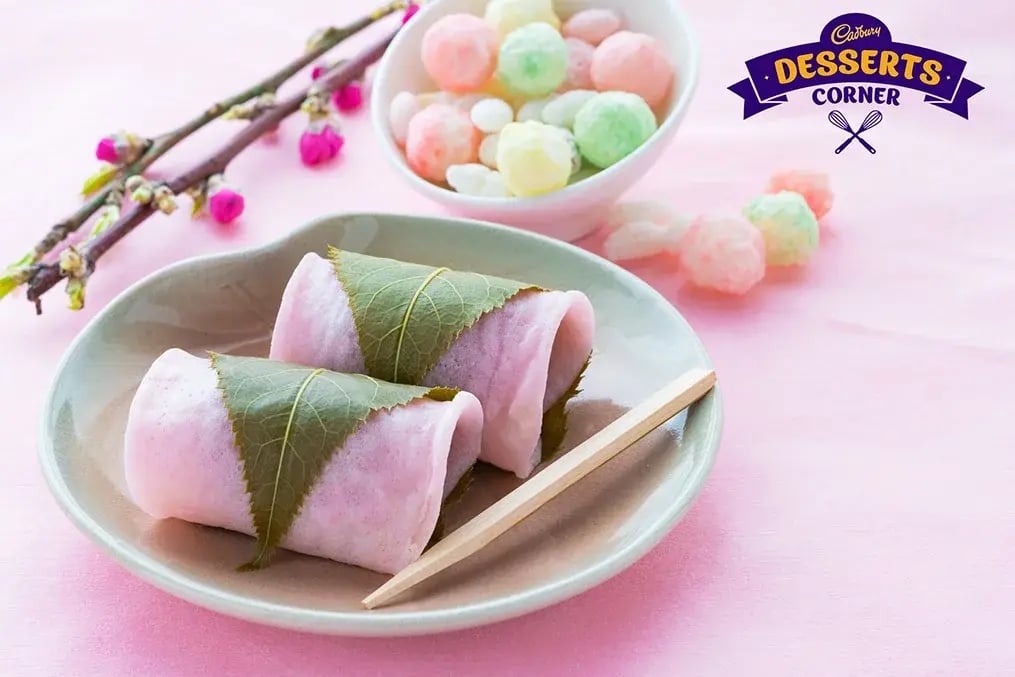
Originating from Thailand, the khao niao ping is made by combining steamed sticky rice, bananas and coconut milk. It specifically calls for nam was bananas, which are smaller than the usual varieties and often sweeter. The mixture is stuffed into a banana leaf, and the parcel is then grilled until the leaf is slightly singed around the edges. It's a popular snack and has a variation called the khao tom mad, which is steamed instead of grilled. There’s also a northeastern variation called khao tom kluay, where peanuts are sometimes added to the dish.
Banh It La Gai
The banh is one of Vietnam’s specialties, prepared during celebrations like marriages, but also during gatherings like death anniversaries. Nowadays, it's also enjoyed as an evening snack. While banh it tom thit is a savory version of the dish, the sweet one is called banh it la gai. A mixture of ground gai leaves, sugar, and sticky rice flour is used to cover a mung bean paste ball or a sweetened ground coconut paste ball. Banana leaves are folded into a cone shape, and the ball is dropped into it. The leaf is then folded, creating a pyramid shape. It's then steamed, the gai leaves giving it a deep black color.
Suman Malagkit
Also called budbud, suman malagkit is a popular sweet dish from the Philippines. It's essentially a sticky rice cake recipe made from sweetened and steamed rice, which is wrapped in palm leaves or banana leaves. They are enjoyed as a snack or a dessert. It is made by mixing together malagkit, which is sticky or sweet rice, sugar, coconut milk, and ginger, which is then tied up in banana leaves using a string and cooked. Suman is one of those dishes that has several varieties across towns and families. It can be topped with sprinkled sugar, grated coconut or ripe mango.
Ye Er Ba
Ye er ba or Sichuan leaf-wrapped sticky rice cakes are a Chinese delicacy that are delicious and an easy-to-eat dish, often enjoyed as street food. This unique rice cake recipe originates from the rural Sichuan province and is sticky rice dough with a sweet filling, wrapped in leaves. Although there are many options for fillings that can go in, one option is a red bean paste and black sesame paste with toasted walnuts. Add some brown sugar and butter to the mix, and wrap in bamboo leaves to cook. Your dish is ready.
Kralan
The Kralan is a traditional Cambodian dessert made by bringing together glutinous rice, coconut milk, and sugar. The rice must be soaked overnight and then mixed with the coconut milk and sugar. The mixture is then wrapped in bamboo leaves and steamed. The final result is a sweet and chewy treat enjoyed by people of all ages. Some evidence suggests that rice has been cooked this way since the Mon-Khmer tribes and in the Khmer Empire, which suggests that this method of cooking originated in Cambodia, but is popular today across several south asian cultures.
Lepat Pisang
This is a traditional dessert originating from Indonesia, which can be eaten as breakfast or a snack. It's made by laying out a banana leaf flat. On that, a mixture of bananas, sugar, flour, and rice flour is added. A mixture of sugar and grated coconut is put into that mixture, and then the entire thing is rolled and sealed with the leaf. It's then steamed until cooked. It can be served as is or with a drizzle of gula melaka syrup.
Frequently Asked Questions
What are leaf-wrapped desserts? 
Leaf wrapped desserts are sweets that are cooked or served inside edible leaves. The leaves add fragrance, moisture, and sometimes flavor as well. Some examples are: patoleo, banana leaf cakes, sticky rice desserts, and leaf wrapped puddings.
Why are desserts wrapped in leaves instead of foil or plastic?
Desserts are wrapped in leaves because they naturally add aroma, flavor, and moisture while cooking. They are also biodegradable and traditional in many cultures, which makes them a more sustainable and flavorful alternative compared to either foil or plastic.
What types of leaves are used to wrap desserts around the world?
Banana, turmeric, pandan, corn, lotus, and grape leaves are commonly used to wrap desserts all across the world. They add a gentle fragrance, moisture, and flavor while keeping desserts neatly enclosed during steaming, baking, or cooking.
What does food cooked in banana leaves taste like?
Food cooked in banana leaves tastes earthy, sweet, and aromatic. The leaves don’t overpower the dish that much, but instead add a gentle fragrance along with moisture, which helps to create a softer and flavorful texture.
Can you make leaf-wrapped desserts at home without banana leaves?
You can use parchment paper, corn husks, lotus leaves, or grape leaves instead of banana leaves. Each one of these options gives a slightly different aroma and texture, and also makes homemade leaf-wrapped desserts versatile.
Which countries have the most famous leaf-wrapped desserts?
India, Thailand, Indonesia, the Philippines, Vietnam, Mexico, and parts of Latin America are well-known for leaf-wrapped desserts. Their traditional desserts use banana, corn, pandan, lotus, or grape leaves for aroma, moisture, and flavor.
Like This Article?
More Like This


Popular Articles


Trending Web Stories


Curated Recipes