








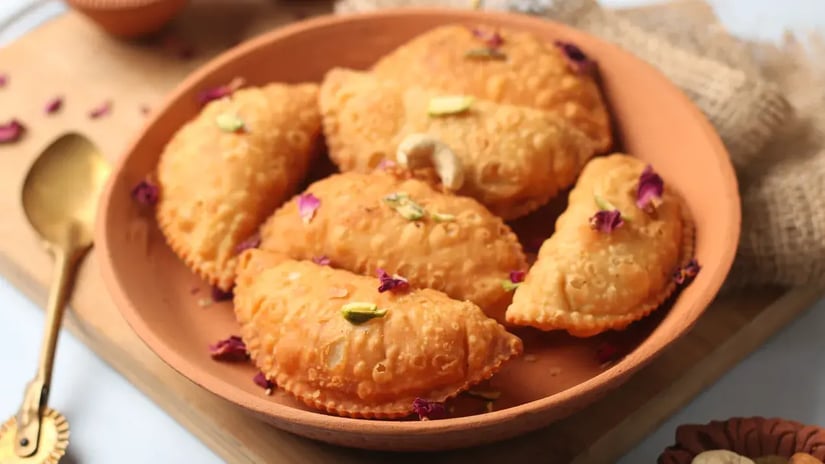


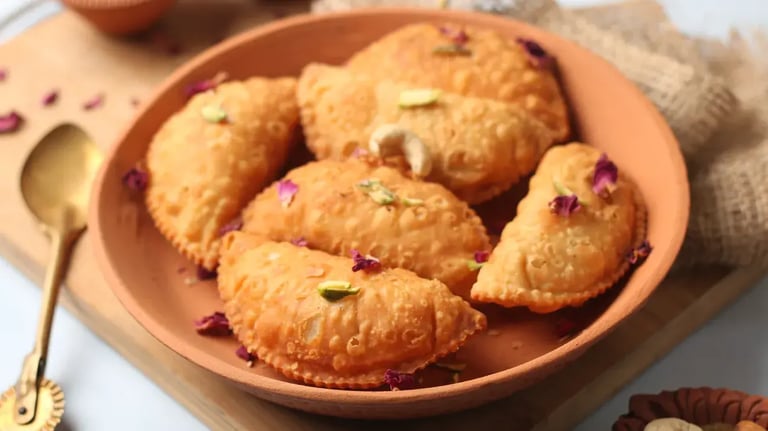
Making karanji for the first time? Steer clear of these common mistakes to prepare karanji perfectly in your first try.
Introduction
Making karanji at home is a cherished festive tradition, often bringing the whole family together to prepare these sweet, crispy dumplings. From rolling the dough to adding the filling and creating neat folds, every step requires a little care. While the process may look simple, small mistakes can cause karanji to burst while frying, turn out too thick, or lose its crisp texture. This can become even more challenging when experimenting with fusion flavours such as chocolate coconut karanji.
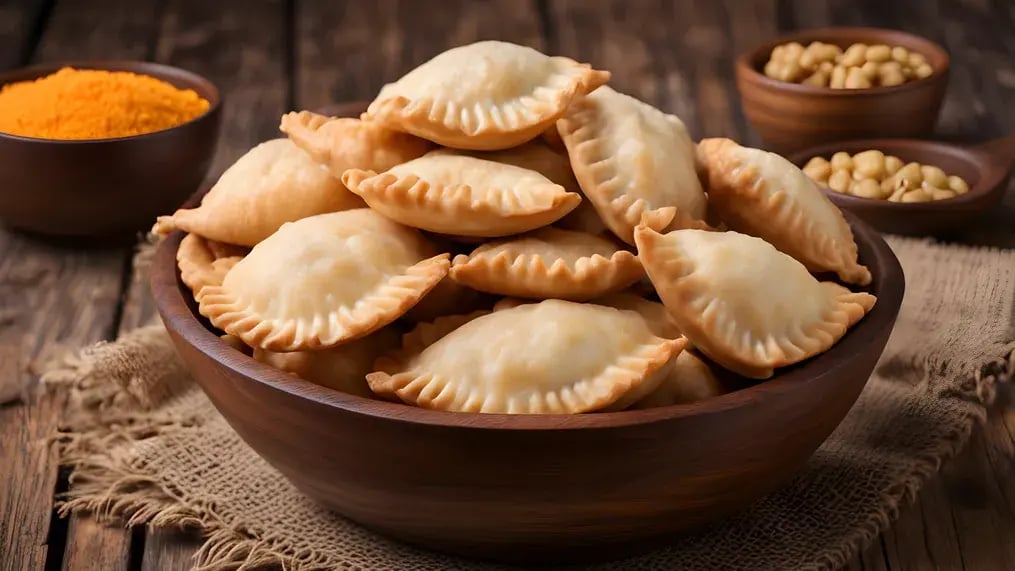
The dough is the foundation of a well-made karanji. When the dough sheets are rolled to the right thickness and folded and sealed properly, the result is a neatly shaped, crispy treat with the filling safely tucked inside. Here are some common mistakes to avoid when folding karanji dough at home.
Mistakes to avoid when making Chocolate Coconut Karanji Recipe:
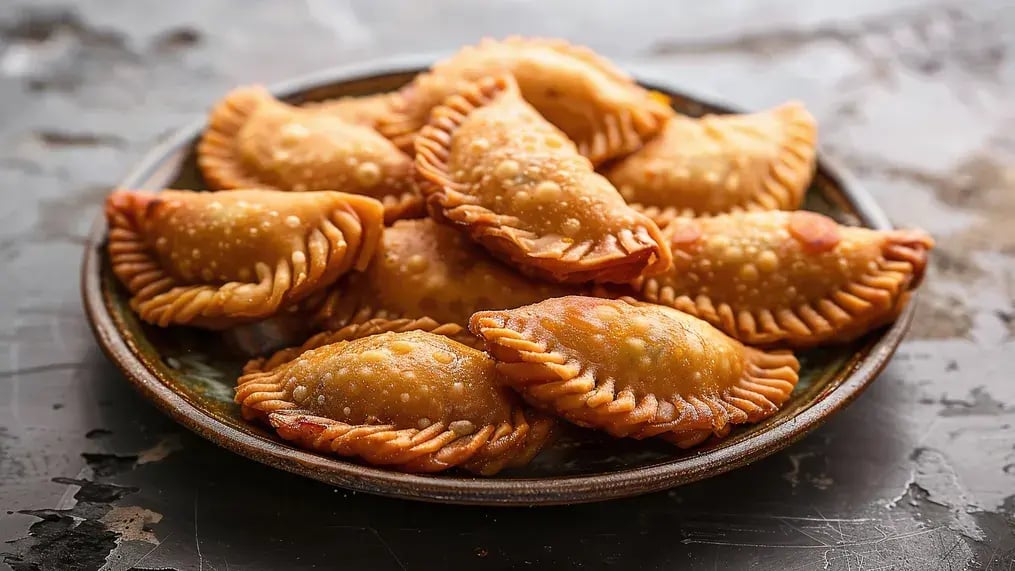
Mistake 1: Overstretching the Dough
When you roll the dough too thin, the chances of it tearing up after adding filling increases. A too thin layer becomes fragile and can tear apart when filling is added. Therefore, always aim for medium thickness when making dough sheets for karanji. A slight thickness will keep the karanji shell sturdy, crispy, and safe from breaking apart when filled and deep fried.
Mistake 2: Underfilling or Overfilling
When making filled treats like karanji, modak, and dumplings, practicing the right amount of filling is crucial. When you go overboard with the filling, it is given that karanji will burst. Therefore it is always better to underfill karanji a little bit, just enough to keep it satisfying without making it feel empty. Remember to keep some space so that you can seal the edges comfortably without spilling the stuffing out.
Mistake 3: Poor Sealing
Sealing the edges properly is crucial when making treats like karanji. After all, it's the seal that keeps the filling inside when frying. The seal needs to be perfect so that the filling stays in and the oil doesn't get inside when you fry karanji. Therefore, always seal the opening with a flour glue made by adding a little oil to flour, turning it into a paste, and spreading it on the edges to seal the opening. Press it gently with a fork or use a karanji mold for better sealing.
Mistake 4: Skipping Air Removal
Air removal from the karanji is important to keep the karanji from exploding when frying. Trapped air bubbles in the filling can expand during frying and it can cause karanji to open up or puff up. The bubbles then can burst and get filled with oil, turning the karanji soggy and filled with oil. Therefore, always press around the filling to remove air bubbles before frying.
Mistake 5: Not Letting Dough Rest
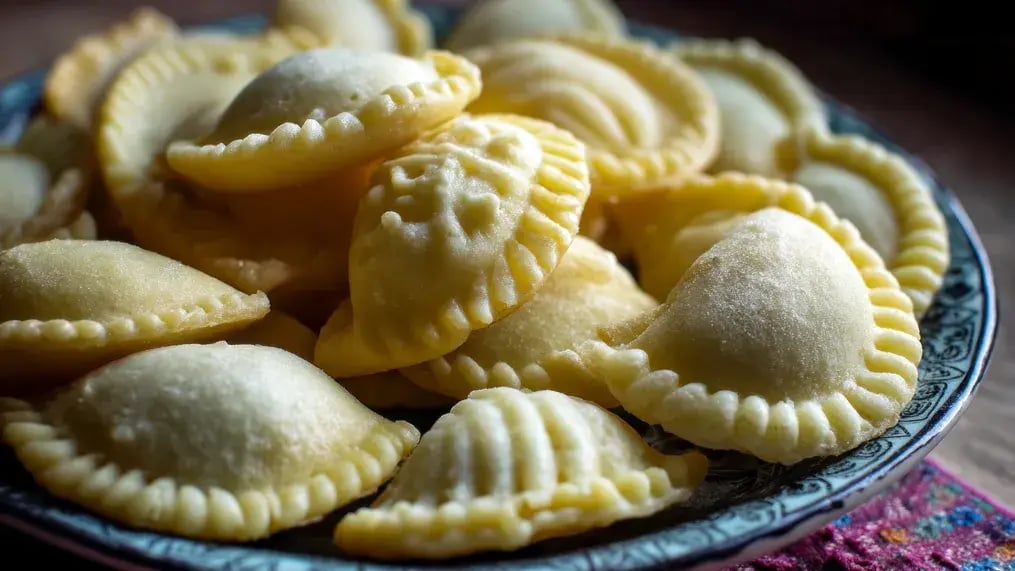
When the dough isn’t rested well and long enough, it is harder to roll and fold. This can lead to cracks and create a tough texture. Therefore, rest the dough for at least 30 minutes after kneading to make it pliable and easy to fold.
Mistake 6: Rough Edges
After sealing, trim excess dough if necessary and shape the edges neatly. Uneven edges can burn quickly during frying and look unappealing.
Mistake 7: Folding Cold or Dry Dough
If the dough starts drying out, especially while working in batches, cover it with a damp cloth. Dry dough cracks when you fold or seal it. Work quickly and keep unused dough covered.
Mistake 8: Using a Dough That's Too Soft
One of the most common mistakes is adding too much water and making the dough too soft. A loose dough can be hard to roll, fold, and seal properly, increasing the chances of the karanji opening while frying.
For best results, keep the dough firm and stiff, similar to puri dough. Add water gradually while kneading and avoid making the dough sticky. A firmer dough is easier to shape and can help the karanji stay crisp instead of absorbing excess oil during frying.
Bonus Tip: How to Check If Your Oil Is Ready Before Frying
Oil temperature can make a big difference in the final texture of your karanji. Oil that is too cold may cause the dough to absorb excess oil, while very hot oil can brown the outside too quickly before the inside cooks properly.
Try a simple dough test before frying. Drop a small piece of dough into the hot oil—it should rise slowly to the surface. If it sinks and stays there, the oil may not be hot enough. If it rises immediately and starts browning too quickly, the oil is too hot. Adjust the heat before adding your karanji.
Frequently Asked Questions
Why does karanji burst open while frying? 
Karanji can burst if the edges are not sealed properly or if too much filling is added. Make sure the edges are pressed firmly and avoid trapping air inside before frying.
Should karanji dough be soft or stiff?
Karanji dough should be firm and slightly stiff, similar to puri dough. Very soft dough can be harder to fold and may absorb more oil while frying.
How long should karanji dough rest before rolling?
Allow the dough to rest for around 15–20 minutes before rolling. This helps the dough relax and makes it easier to roll into smooth sheets.
How do I store karanji to keep it crispy for longer?
Allow the karanji to cool completely before storing it in an airtight container. Keeping moisture away is important for maintaining its crispy texture.
Like This Article?
More Like This




Popular Articles


Trending Web Stories



Curated Recipes