












Learn how to make condensed milk trifle recipes from the comfort of your own kitchen. Read more for tips and FAQs.
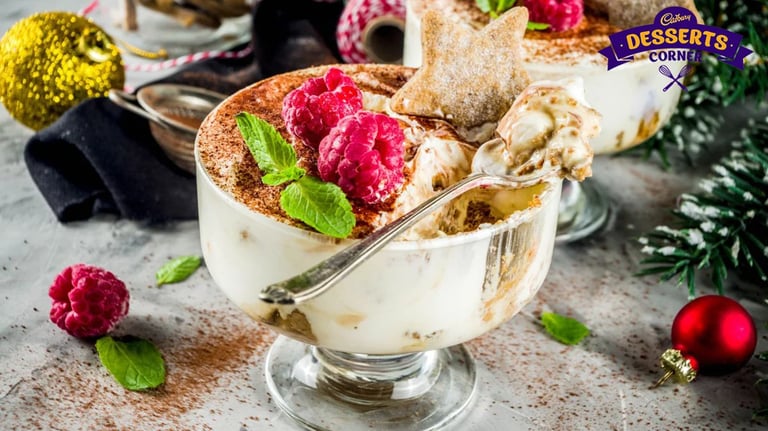
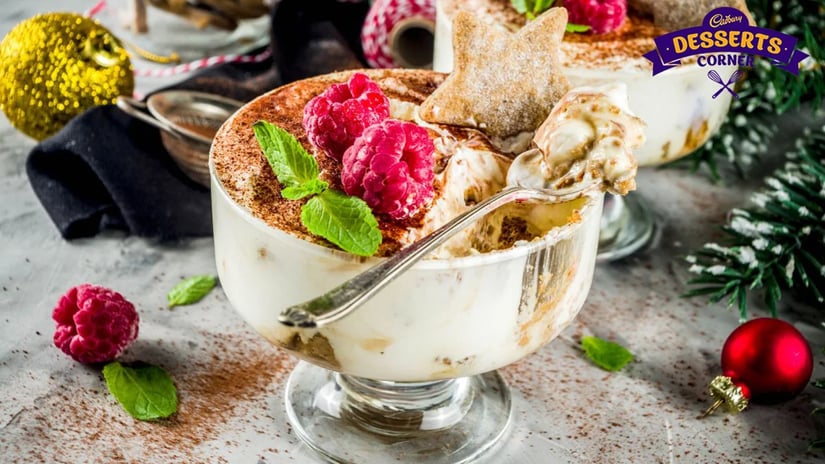
Condensed milk is a thick and sweetened version of milk. It is basically milk devoid of water, with added creaminess. Surprisingly, it contains sugar. It also has a fascinating history that dates back to the 19th century. Condensed milk was developed by Gail Borden, an American inventor, to preserve milk without refrigeration. It quickly became a staple ingredient in cooking. Renowned for its caramel flavor and velvety consistency, condensed milk is used in numerous desserts, particularly trifles. Trifles are known for their layers, and they beautifully showcase how condensed milk harmonizes with a variety of textures and flavors, elevating the overall deliciousness.
Ingredients That Affect Creaminess and Texture
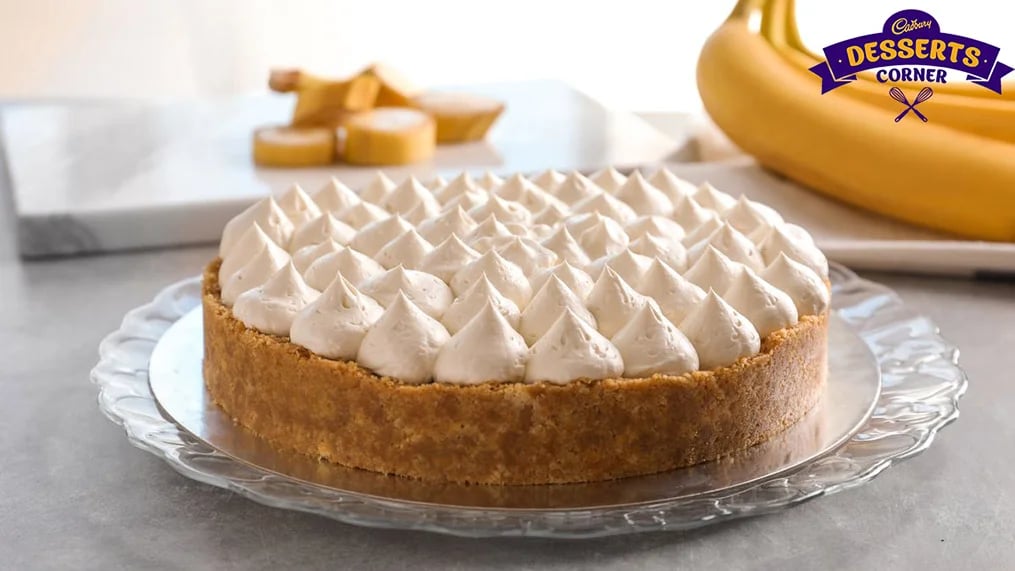
The combination of a few essential ingredients determines the texture of condensed milk trifle. To counterbalance the heaviness of the condensed milk, heavy cream or whipped cream is added to the recipe. These ingredients are known to add lightness and a fluffy texture to the recipe. When properly made, sponge cake, Tiramisu, or biscuits absorb moisture from the cream layers and become soft without becoming mushy. Chocolate, almonds, or cookie crumbs offer a crispy texture and keep the dessert from seeming flat, while fresh fruits add novelty and a subtle contrast to the creamy layers.
The final consistency is further improved by using cooling ingredients such as custard, whipped cream, or fruit, which aid the trifle's proper setting and the maintenance of distinct layers.
Preparing the Chocolate Base
In order to make a smooth chocolate base, it is crucial to create a condensed milk dessert with a chocolatey taste. Carefully melt the chocolate before mixing it with the cream and condensed milk. The objective here is to produce a glossy mixture that doesn't get lumpy or gritty while blending seamlessly into the dessert layers.
Before adding the dairy ingredients, let the chocolate mixture cool a little. This reduces the risk of temperature changes, which can affect appearance and texture. Before layering into the trifle dish, the base should be smooth, pourable, and uniformly tinted.
Melting Chocolate Gently
Over a pan of slightly simmering water, place chopped chocolate in a heatproof bowl. Be careful not to let the bowl come into contact with the water. Stir from time to time until the chocolate is perfectly shiny and smooth.
Common issues to avoid:
-
Chocolate may seize and become grainy when overheated.
-
The chocolate may become clumpy and stiff if water droplets get into the bowl.
-
The chocolate may be scorched by direct high heat, giving it a burnt taste.
Mixing Dairy Without Curdling
Whisk in the condensed milk and any cream specified in the recipe once the melted chocolate has cooled slightly. A smooth emulsion is maintained by gradually adding dairy.
Common issues to avoid:
-
Separation may occur when extremely hot cocoa is mixed with cold cream.
-
Lumps could form if you mix too quickly.
-
Dairy ingredients may become unstable due to excessive heat.
Achieving a Smooth Base
Whisk the mixture until fully incorporated. Before adding the mixture to the trifle, pour it over a fine-mesh sieve for an even smoother finish.
Common issues to avoid:
-
Pockets of unmixed chocolate may result from inadequate mixing.
-
Little lumps could form if the chocolate is not properly melted.
-
The cream layer's texture may change if the cooling phase is skipped.
Flavor Variations Using the Same Base
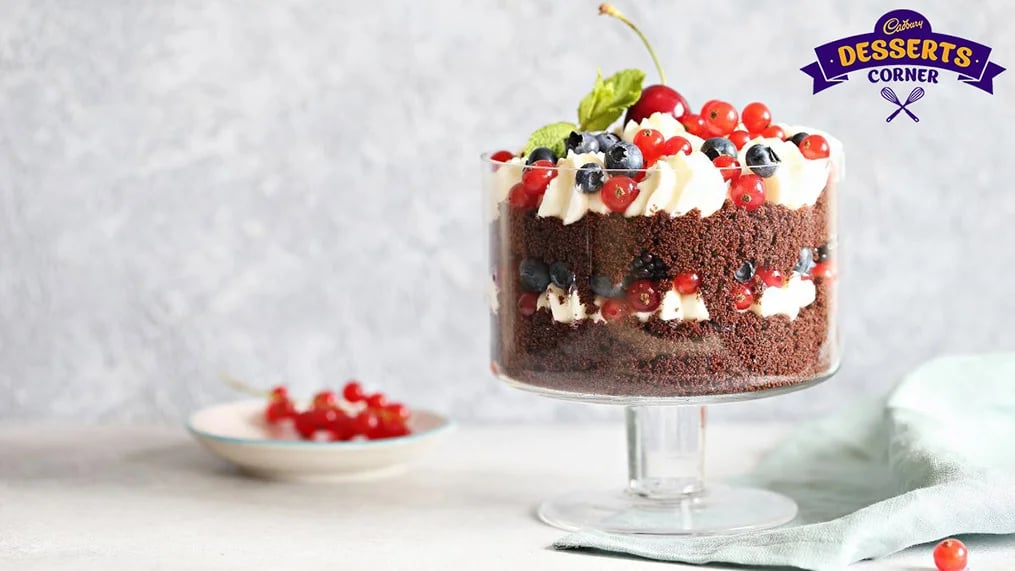
A simple condensed milk trifle base can be transformed into several delectable varieties without drastically altering the preparation method.
Nut-Based Variations
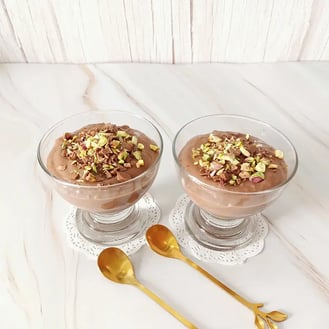
Add coarsely chopped pecans, almonds, hazelnuts, or pistachios to the cream layer. For extra richness, you can also incorporate nut butters like almond or hazelnut spread into the chocolate base.
Dark Chocolate or Mocha Twists
For a richer cocoa taste, swap milk chocolate for dark chocolate. To make a mocha version, mix the chocolate foundation with a small amount of instant coffee dissolved in warm water.
Layered or Swirled Pops
In the presenting dish, alternate chocolate and vanilla condensed milk combinations to create visual appeal. Before cooling, gently stir the layers with a spoon or fork.
Serving and Storage Basics
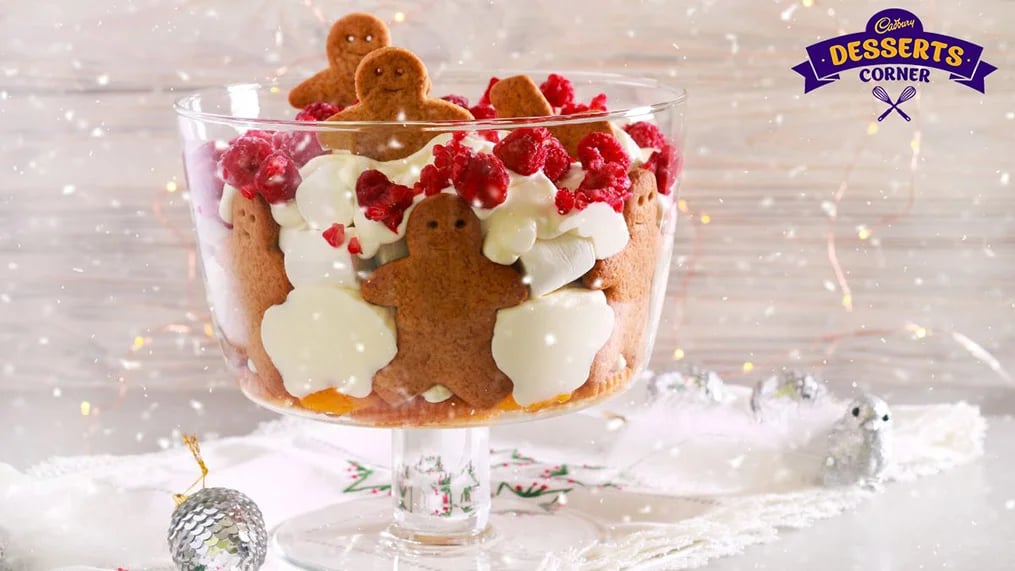
Before serving, the condensed milk trifle should be completely cooled for at least three to four hours. During this period of repose, the cream layers thicken up, and the cake or biscuits soften and absorb flavor.
For serving:
- Serve straight out of the fridge.
- Scoop through each layer with a big spoon.
- Just before serving, garnish with whipped cream, fruit, almonds, or chocolate shavings.
For storage:
- Tightly cover and chill.
- Enjoy it within two to three days.
- Steer clear of cold since thawing the dairy layers could cause them to split.
- To preserve their texture, add crunchy toppings right before serving.
To enhance your trifle recipes further, here are a few tips:
- Toasting nuts and coconut flakes adds an aroma and crunchy texture to your trifle.
- Opt for high-quality ingredients, such as fresh fruit and top-notch condensed milk, for the best taste experience.
- Whip up some whipped cream, which is lighter in texture and can be flavored to complement your trifle perfectly.
- When layering your trifle ingredients, be generous. Aim for an equal distribution to create an appetizing appearance and balanced flavors throughout.
- Remember to serve your trifles chilled every time to maintain their structure and preserve their flavors.
Like This Article?
More Like This




Popular Articles


Trending Web Stories


Curated Recipes


