











Winter baking tips help you manage cold ingredients, dry air, and temperature swings, making cakes, cookies, and breads more reliable in winter.
Why Baking Results Change in Winter
When old and trusted recipes stop working as they should, that's when you need to start using some winter baking tips. As the weather gets colder, doughs rise more slowly and have a denser consistency, cookies bake unevenly, and recipes are much less consistent than they were during the warmer months. These changes are caused by seasonal temperature and humidity, not climate change or a lack of baking skill. Instead of relying on expensive equipment or learning new recipes during the winter months, the most effective winter baking tricks are based on an understanding of how to adjust to the seasonal changes.
Under cold conditions, fats become solid, dough stays cool, air is dry, and the oven loses heat. By modifying workflow (i.e., heating ingredients, allowing for longer resting periods, protecting the heat, and delaying completion), bakers can effectively realign their workflow to the expectations of their recipe. The objective is not to resist winter's effect on baking but to utilize winter's unique characteristics to the best of their ability.
Hack 1: Bring Ingredients to Real Room Temperature
One of the most effective winter baking tricks is to consciously manage how the temperature of your ingredients is handled. When making cookies or cakes, if your butter is too cold, it won't cream properly; cold eggs can prevent an emulsion from forming. Butter should be soft but still cool to the touch, at around 18 - 20 °C. However, with the lower ambient temperature in winter, "room temperature" often isn't warm enough. Taking the additional time to allow your ingredients to come to room temperature will help to reduce the occurrence of dense batters and other texture issues associated with cold weather. This single factor will help to solve more winter baking problems than you would expect.
Hack 2: Resting Time Is Important
Resting your dough or batters during the winter months is not a waste of time. It's a way to improve your structure. Cold temperatures make it more difficult for the flour and water in your doughs or batters to absorb enough moisture, dissolve any sugar, and evenly distribute any fat. One of the greatest winter baking tips is to include rest in your dough/batter preparation rather than rushing through the process. Even a few minutes of rest will improve the overall texture, spreadability, and rise of your baked goods without affecting the ratio of ingredients.
Hack 3: Protect Dough from Cold Surfaces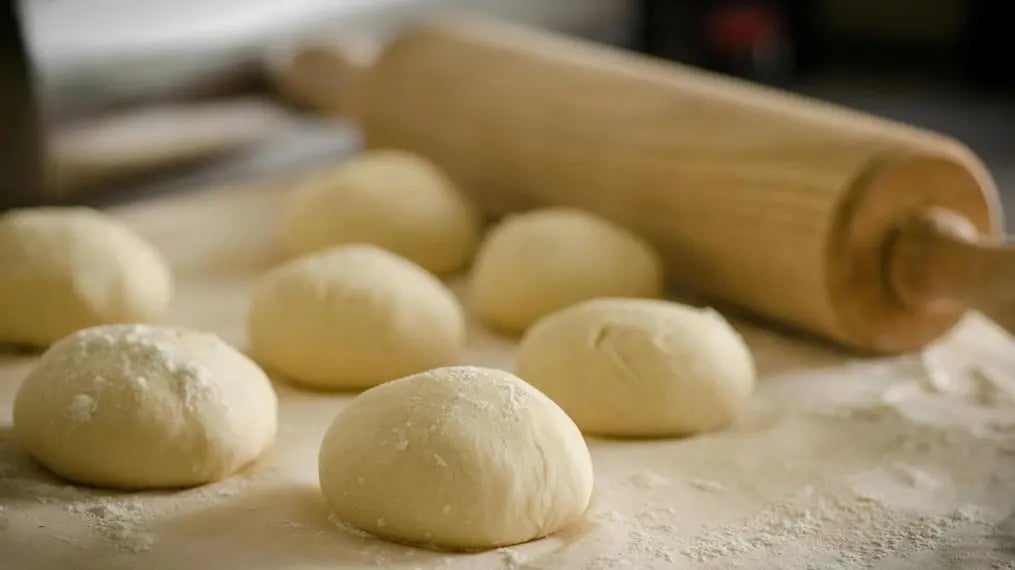
Cold countertops and metal bowls quickly absorb heat from the dough or batter. A winter baking hack is to use insulation tricks (e.g., wooden cutting boards, towels) to prevent the dough from being shocked when mixed or resting. This means that dough stays warmer during fermentation, emulsification, and maintaining physical properties, especially with yeast/butter-based goods.
Hack 4: Preheat and Load the Oven Properly
In addition, winter baking requires different considerations due to the heat loss from cold ambient air when being baked. Preheating to an adequate, stable temperature in your oven is also critical for a satisfactory outcome. Use an oven thermometer to check the actual temperature, as the oven's display might not be accurate. When loading your oven quickly after preheating, you will lose less heat, resulting in a more favorable outcome. An effective winter baking trick is avoiding checking on your bread/cakes before your prescribed baking time. Each time you open the oven door, you introduce cold air into the oven, decreasing the heat and slowing down the process of the items baking properly. Therefore, the ability to keep a consistent temperature in the oven throughout the winter is more important than being accurate with baking times.
Hack 5: Adjust Timing, Not Recipes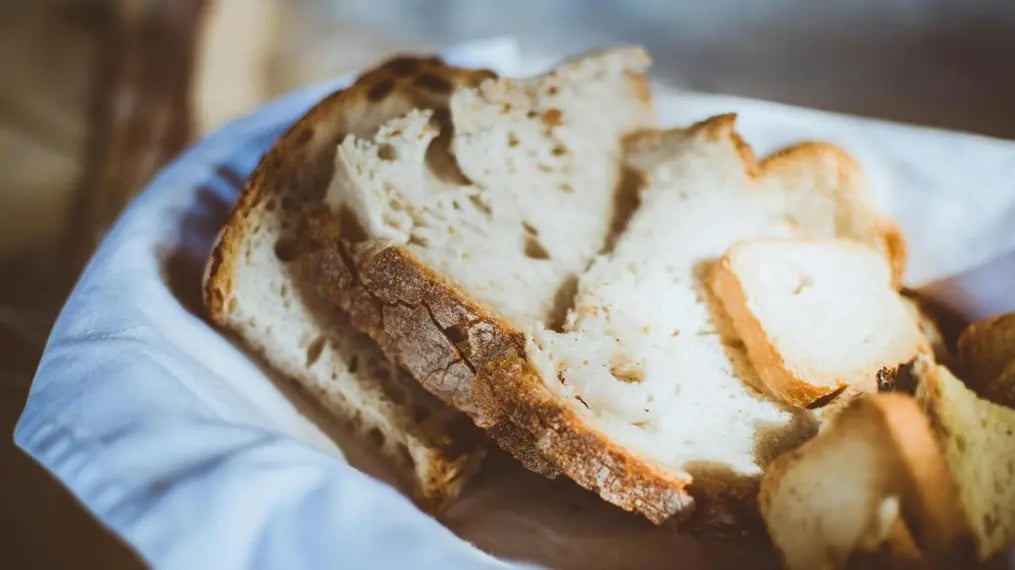
Another effective hack for baking during winter includes making allowances for the longer times it will take to ferment, brown, and set baked items. Many inexperienced bakers incorrectly estimate the time required for baking items like bread and cake during colder months. Baking items longer instead of changing recipes will improve their quality while retaining their original taste and appearance. Being patient while baking allows you to get the most out of your ingredients; patience is a very effective tool to have when baking in winter.
Hack 6: Manage Moisture in Dry Winter Air
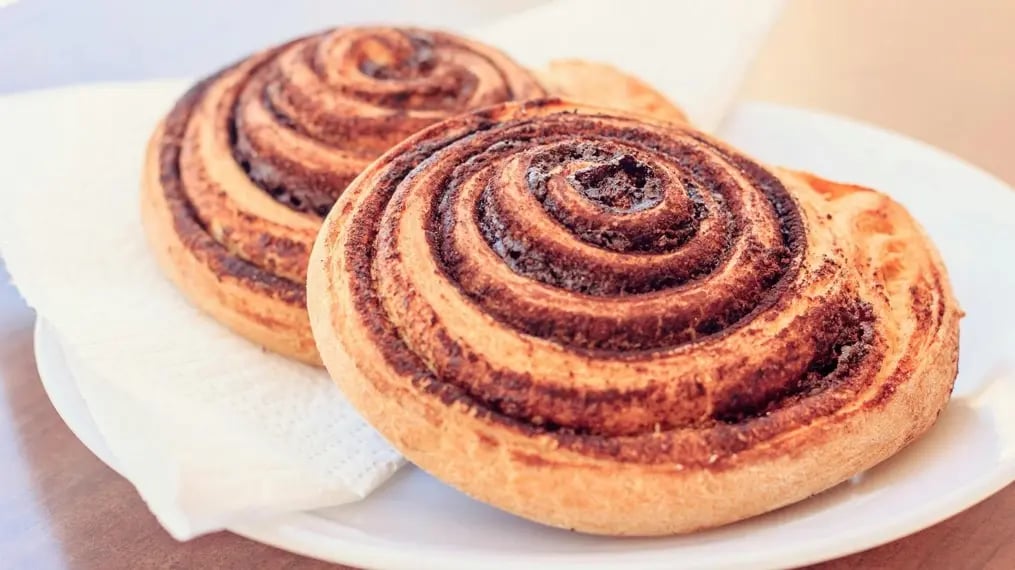
Drier air causes quicker moisture loss than moist air, which means your baked products' tenderness and shelf life will be reduced the longer they sit exposed to the air. Therefore, preventive measures, such as covering your dough while it rests and avoiding baking items longer than needed, are effective winter baking hacks. Sometimes items appear to be completed (i.e., baked) when, in reality, they are not completely baked (i.e., set) from inside. Understanding that winter air rapidly draws moisture out of baked goods will allow you to create fewer dried-out crumbs.
How to Proof Dough in a Cold Kitchen
-
Oven with the light on: Baking the covered dough in an oven with just the light on can help it rise. Make sure the oven is just warm enough for the dough to be comfortable.
-
Bowl of hot water: Place a bowl of hot water next to the covered dough in an off oven to create a warm, moist environment for it to rise in.
-
Near a warm appliance: Keep the dough near a warm appliance that's not emitting any heat or drafts.
-
Warm liquids: Warm liquids, such as water or milk, should be used when the recipe calls for them, to avoid killing the yeast. Hot liquids should never be used, as they can kill the yeast.
Cookies, Cakes and Chocolate in Winter
-
Cookies: In order to prevent the dough from spreading too much while baking, it is advisable to keep it in the refrigerator. In case the dough has become too hard to manage, it should be left at room temperature for some time.
-
Cakes: It is advisable to bring all ingredients to room temperature, so when combined, they will not curdle. This is especially important for such ingredients as butter, eggs, and milk.
-
Chocolate: While baking with such ingredients as Cadbury chocolate or cocoa, it is advisable to melt the chocolate slowly in a water bath or in a microwave. It is important to avoid direct heat to prevent the chocolate from burning. While adding liquid ingredients to melted chocolate, make sure that they are not cold; otherwise, the chocolate may curdle.
Frequently Asked Questions
Why is my bread not rising in winter? 
The low temperature will slow down the yeast activity, so more time is required to let the dough rise. Keep it in a warm place, free from drafts, and wait till it reaches the desired volume and size as stated in the recipe.
Why are my cakes dense in cold weather?
Cold butter and eggs will not mix properly, so bring them to the temperature specified in the recipe to achieve the right consistency of the dough and a fluffy cake.
How long should I let butter sit out in winter?
Butter may need 30–60 minutes or longer, depending on the room temperature. Ideally, the temperature should be between 18-20 degrees Celsius.
Do I need to bake longer in winter?
It might not be enough if the temperature in your house is low, so preheat the oven and make sure it is ready to bake as stated in the recipe. Also, double-check the temperature with an oven thermometer to ensure that it is properly heated.
Why do my baked goods dry out faster in winter?
It is critical to let the cake cool down completely and put it in an airtight container. Dry air tends to absorb moisture from the cake, making it harder and drier.
Where can I proof dough in a cold kitchen?
You can try baking with the oven light on, in an oven with the door open and a bowl of hot water, or baking it somewhere warm but not draft-free. These baking in cold weather methods help dough rise gradually.
Like This Article?
More Like This



Popular Articles


Trending Web Stories



Curated Recipes