







This is a beginner-friendly guide to learn about basic baking terminology. Learn these cooking and baking techniques, gluten development, and baking sciences.
Baking Terminology (G–L): Essential Baking Terms & Meanings for Beginners
When you are a beginner, the first step is research. Especially if you are learning how to bake or cook, baking terminology can vary by region, but one can definitely get accustomed to the baking basics. The following are some baking basics for beginners.
Baking Basics for Beginners: Understanding Key Terms (G–L)
It can get a little overwhelming to look at all the terms when you have just started baking. We have all been there, so it is better to equip yourself with accurate information before getting started in practice.
Understanding the terminology in the world of baking is an important aspect that many beginners don't pay much attention to, and they often find themselves confused when following a recipe that uses those terms. Knowing the proper baking terms and how they are used is basically mastering all the recipes, and its importance cannot be understated. Basic baking terms are essential for learning the foundation for baking at home.
In this article, we will look at baking terminology from the letters G to L to help you better understand baking and create irresistible treats using your favorite recipes without any confusion or hindrances.
Essential Baking Terms and Definitions (G–L)
The universal language of the kitchen is baking terms. Learn these baking glossary definitions so you may confidently tackle any recipe, from gourmet breads to delicate pastries. To bake flawlessly, you must first grasp these fundamental ideas.
What is Ganache? & Easy Ganache Recipe
Ganache is essentially a chocolate mixture that is made by heating cream and then later pouring it over chopped chocolate, thus melting it.
Ganache is popularly used as a filling, frosting, glaze, or truffle base in many desserts or cakes.
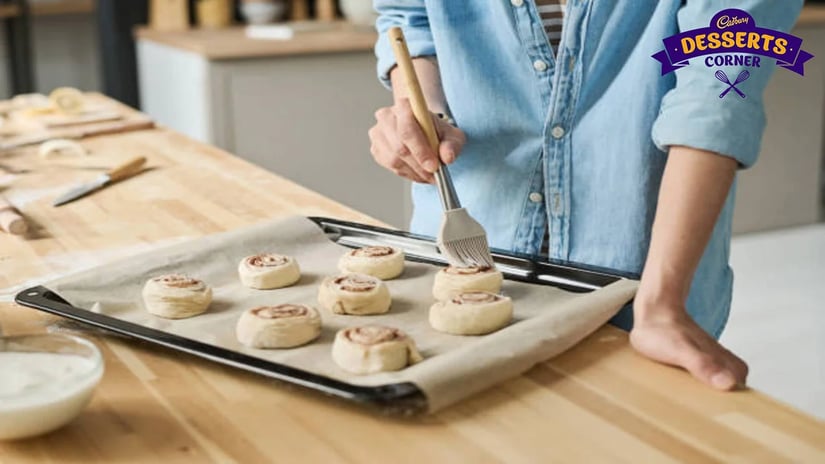
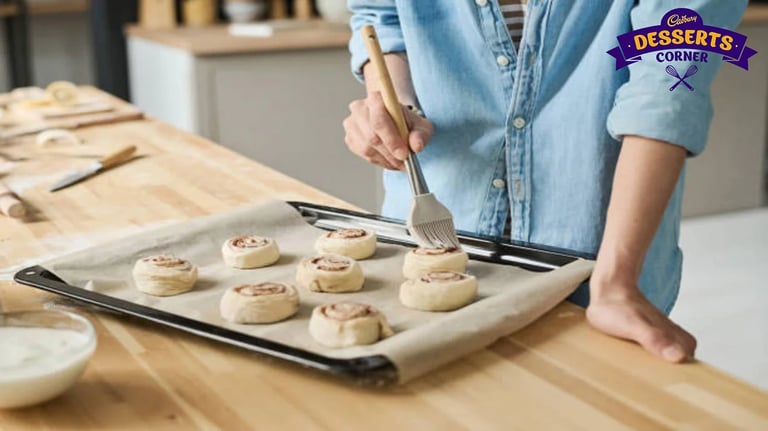
Glaze Meaning in Baking
Glaze refers to the practice of shining the surface of the food by using foods like butter, a layer of sugar, or any other liquid that is glossy.
Gluten Meaning & Its Role in Baking
It is a type of protein that is found in many grains such as wheat, rye, and barley. It is essential for giving the baked goods a firm structure and helps in maintaining their shape. Gluten is good for elasticity and structure in the baked delight.
Grainy Texture in Baking (What It Means)
The word grainy refers to the texture of a baked good that isn't smooth and has granular bits. The most common causes of a grainy texture in baking include over-mixing dry ingredients, curdled or temperature-shocked fats, and undissolved sugar. What you are making—from cookie doughs to cakes and icings—determines the precise trigger.
Half-and-Half vs Heavy Cream in Baking
Heavy Cream: Gives baked goods structure, moisture, and a rich, soft crumb. Its high fat content enables it to whip into stable peaks and helps baked goods retain moisture.
Half-and-Half: It has a lighter feel due to its higher water content and lower fat level. It is completely useless for whipping, and substituting it with heavy cream will make cakes and breads less moist and rich.
What is Icing in Baking?
Icing: A sweet, sugary coating used to cover, adorn, or fill baked foods. Usually, a liquid like milk, water, or fruit juice is combined with confectioners' (powdered) sugar to make it. In contrast to fluffier, thicker frosting, icing is typically glossier, smoother, and solidifies.
Frosting: A glaze or sauce which is used to cover or decorate foods such as cookies, cakes, and pastries. It is also called frosting.
Invert Sugar Explained
A variety of table sugar where sucrose is broken down into fructose and glucose. It is created by heating sugar and adding an acid-like cream of tartar or lemon juice. It is highly prized in baking, candy making, and frozen sweets to improve texture, increase sweetness, and prolong shelf life since it retains moisture and prevents crystallization.
Kneading Dough & Baking Techniques Explained
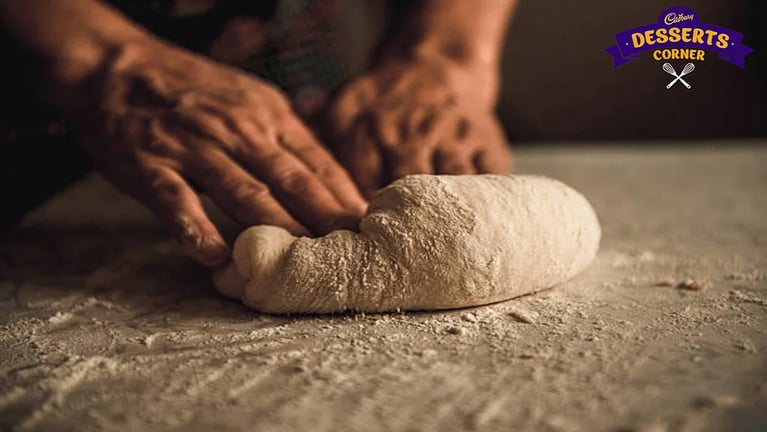
What Does Knead Mean in Baking?
Kneading is the process of working with dough in baking, usually by pushing, folding, and stretching it over itself. By creating an elastic structure that confines the gas created by yeast, this physical action generates gluten, enabling your bread to rise high and retain its deliciously chewy texture.
Knife Test in Baking
It is a way to check the doneness of the baked good by putting a knife into the center to see if it comes out clean then it is baked properly and if it's still wet then it means it needs to be baked more.
Lamination Technique in Baking (Layered Pastries)
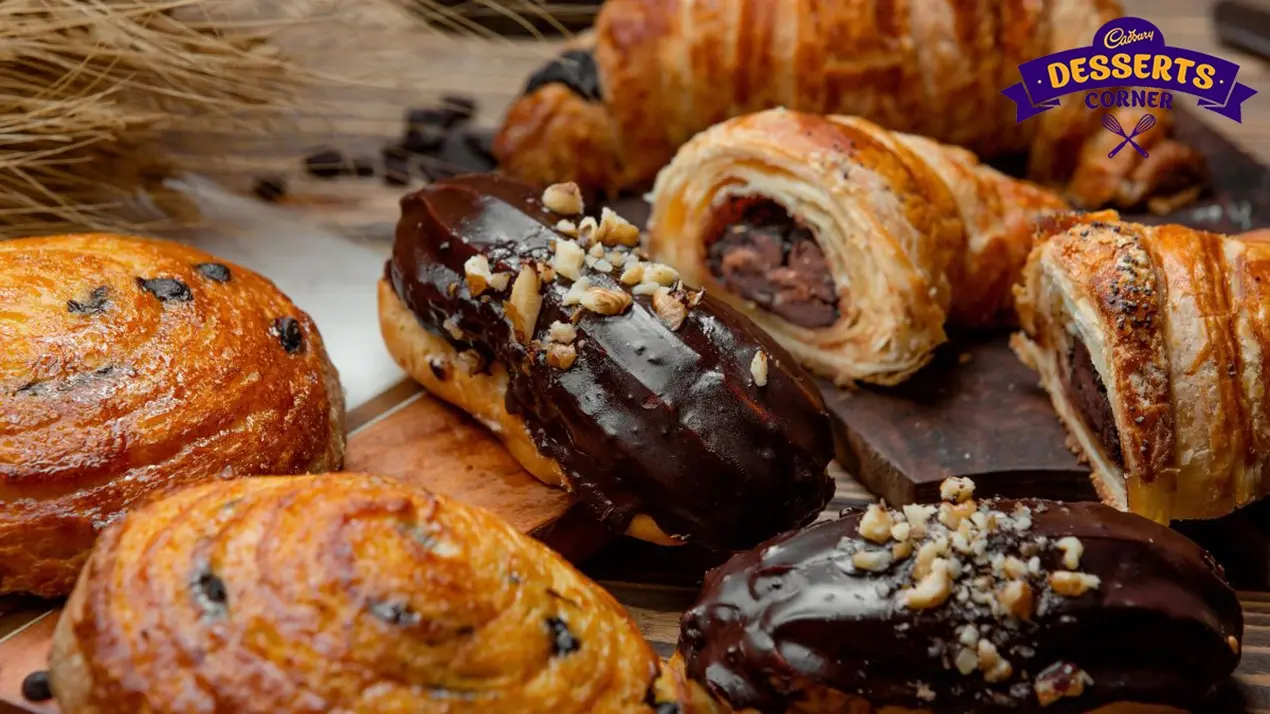
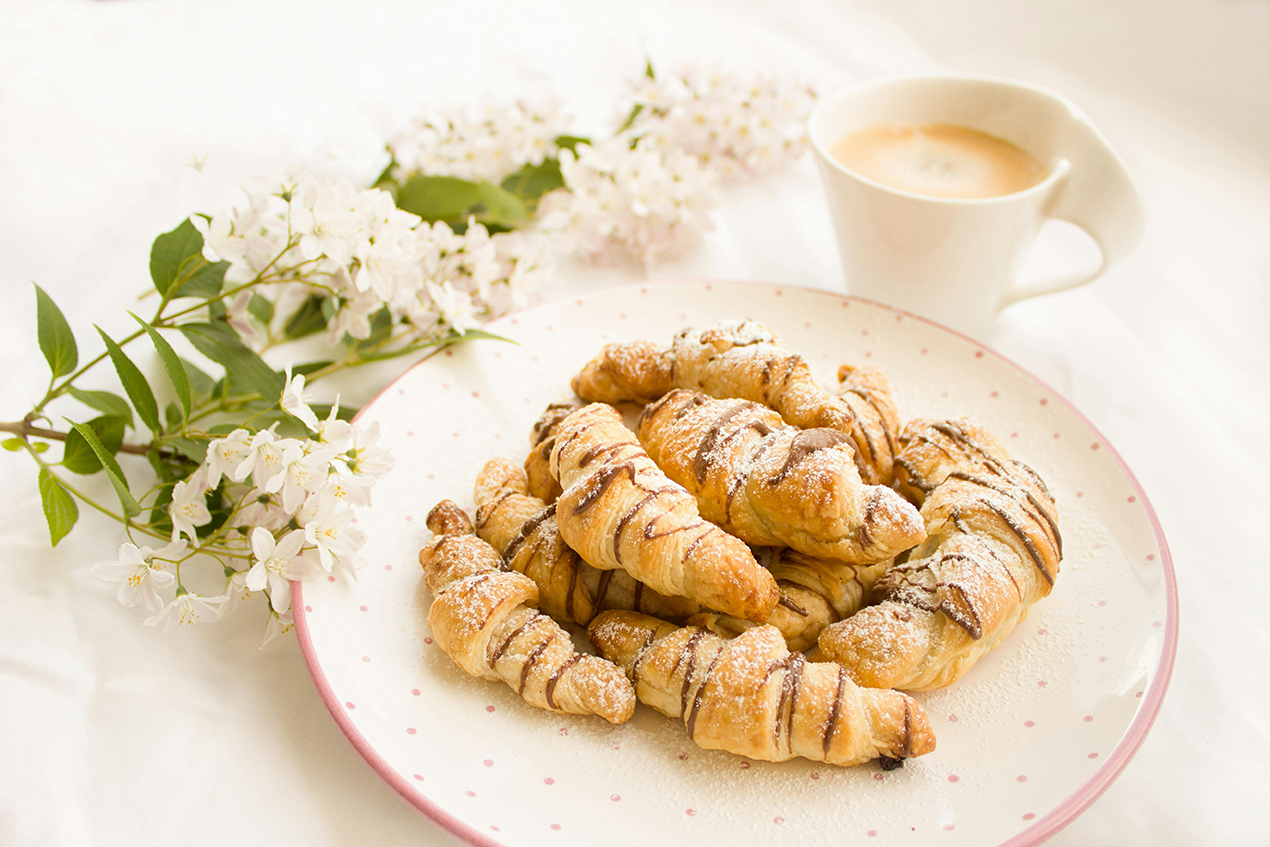
Lamination technique is used to make thin layers of dough and butter by folding and rolling them over and over. Puff pastry, croissants, danishes, and other flaky pastries are made using this technique.
Leavening in Baking (How Dough Rises)
Chemical Leavening: Makes use of synthetic chemical substances that, when exposed to heat or moisture, undergo an acid-base reaction to release carbon dioxide gas. Baking soda and baking powder are used for chemical leavening.
Baking leavening: The process of biological leavening depends on living things, such as bacteria or yeast, that consume the starches and sugars in the dough. Fermentation is the process by which they break down these sugars and release carbon dioxide gas and alcohol. Yeast is used for biological leavening.
Gluten Development & Baking Science Basics
Knowing the science of baking enables you to consistently produce delicious results. Gluten development influences the texture, structure, and rise of many baked items.
The Formation of Gluten: When glutenin and gliadin, two proteins present in wheat flour, mix or knead with water, a network of proteins known as gluten is created. These proteins form an elastic framework that traps gasses released during fermentation or leavening while the dough is handled. The chewy texture of bread, the ability of dough to stretch without breaking, and the ability of baked items to maintain their shape are all attributed to proper gluten development.
The formation of gluten is directly impacted by the quantity of mixing: Overmixing produces an excessive amount of gluten. It can make breads, cakes, and muffins dense or tough. It frequently produces a rubbery feel instead of a soft crumb.
Undermixing hinders the correct mixing of materials. It results in poor structure and irregular texture. It may result in uneven baking or the collapse of baked items.
We also have some gluten-free alternatives that can be used instead of regular wheat flour to make delectable baked items for people who are gluten intolerant.
Well-liked gluten-free choices consist of:
-
Almond flour
-
Rice flour
-
Oat flour (certified gluten-free)
-
Coconut flour
-
Sorghum flour
-
Buckwheat flour
Baking at Home: Why understanding terms matters?
Acquiring knowledge of popular baking terminology facilitates following recipes and helps home bakers produce more reliable results. You can bake more googies from all different cultures without any terminology mis-understanding barrier. Here are some of the crucial reasons why it is important to make one accustomed to baking terminology.
Reduces recipe errors: To ensure that every process is carried out correctly, it is helpful to understand words like fold, cream, prove, knead, and sift. The outcome can be greatly impacted by misinterpreting a baking instruction.
Improves consistency: Understanding the rationale behind tactics enables you to replicate successful outcomes. You'll comprehend how materials and techniques interact rather than depending only on directions.
Builds confidence: Recipes become less daunting as your baking knowledge expands. You'll feel more at ease experimenting with ingredients, trying out new methods, and solving issues as they come up.
Conclusion
One of the most important steps to becoming a confident baker is learning basic baking terminology. These baking fundamentals provide the basis for reliable results, from understanding how gluten occurs to identifying methods like kneading, folding, and proofing. This guide is especially for the beginners who want to make themselves accustomed with the baking terms.
Whether you're making bread, cakes, cookies, or experimenting with gluten-free substitutes, having a firm understanding of important phrases helps minimize errors, enhance results, and make baking at home more pleasurable. You'll be able to confidently follow recipes and use baking science to consistently produce delicious homemade goodies with practice and understanding.
FAQs About Baking Terminology
What are the most important baking terms for beginners? 
Some of the most essential baking terms include: Creaming, Kneading, Folding, Proofing, Sifting, Whisking, Blind baking, Preheating and Glazing
What is gluten and why is it important in baking?
When water and wheat flour are combined, a network of proteins called gluten is created. It gives dough strength, elasticity, and structure, enabling bread to rise and hold its shape. For many baked items to have the right texture, proper gluten formation is necessary.
What does kneading dough do?
By stretching and aligning the dough's protein strands, kneading creates gluten. This procedure gives the dough more flexibility, strengthens its structure, and aids in capturing the gasses created during fermentation, which improves its texture and rise.
What is the difference between icing and glaze?
Icing: Cakes, cookies, and pastries are frequently completely covered with icing, which is usually thicker and more opaque. It can be drizzled, piped, or smeared.
Glaze: Made to softly coat baked products, glaze is shinier and thinner. Usually, it leaves the underlying grain apparent while producing a smooth finish.
Like This Article?
More Like This
Popular Articles


Trending Web Stories


Curated Recipes