



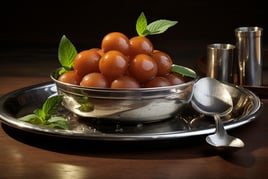



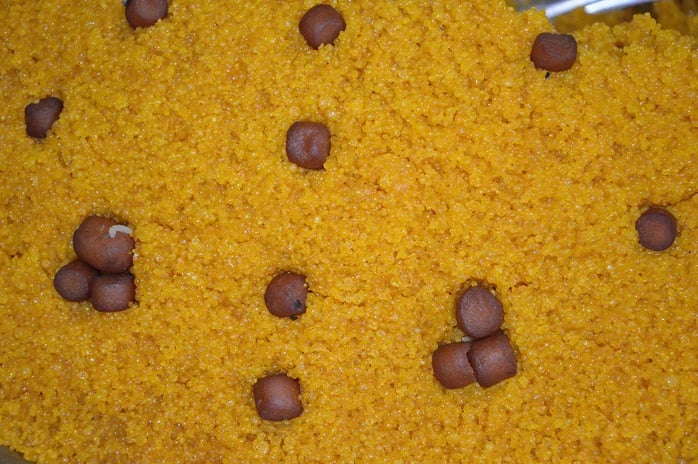


Sitabhog and Mihidana are twin sweets from Bardhaman made from chhana (cottage cheese), and they have originated from a long history of Bengali cooking.
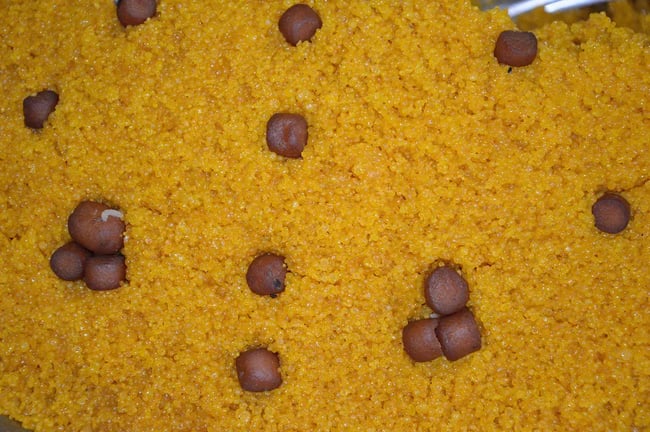
Sitabhog and Mihidana represent the deliciousness that is Bardhaman cuisine. Therefore, both are commonly called twin sweets, mainly because they are always enjoyed in conjunction with one another. When considered together, these two preparations are significant elements of the culinary scene in West Bengal. In this case, both preparations have developed uniquely because of their respective local ingredients, methods of preparation, and the historical patronage of chhana-based (cottage cheese) desserts found throughout Eastern India.
What is Sitabhog Sweet?
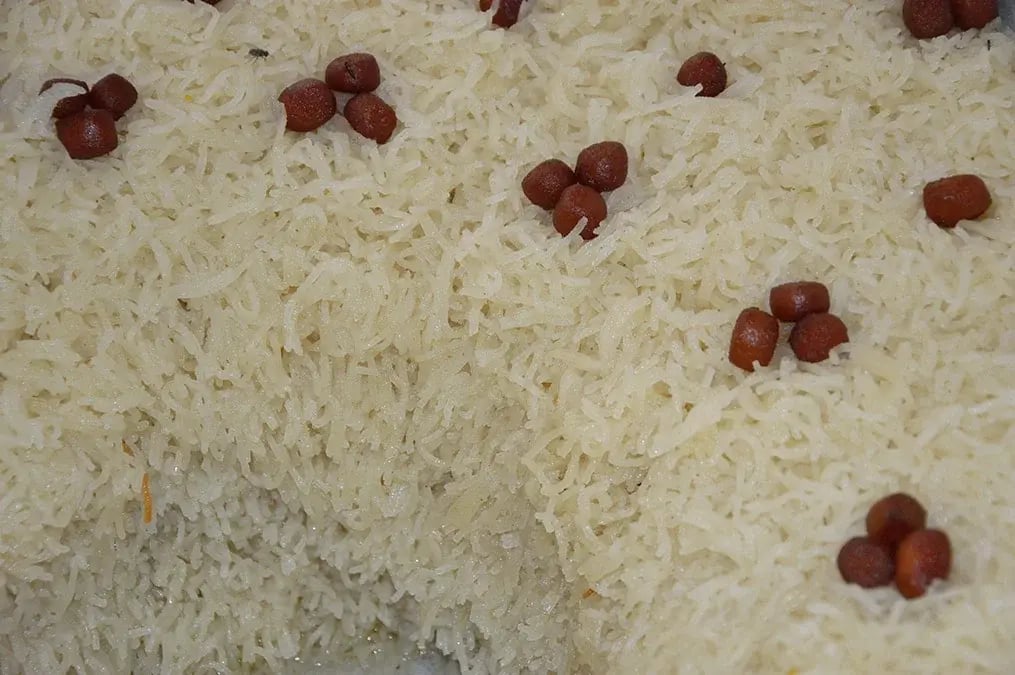
Sitabhog is a sweet that looks like rice but is actually made entirely from confectionery ingredients. The main ingredients are chhana (freshly made cottage cheese), sugar syrup about half an inch thick, and rice flour. The ingredients are mixed together, then shaped into fine strands of noodles before being fried lightly in oil, and finally soaked in syrup.
The final product has a soft, slightly grainy texture and a lightly sweet flavor. Because of its shape, people often confuse Sitabhog with the other rice-based savory dishes. However, the sweetness of Sitabhog defines it as a dessert-style dish. Mihidana is the other dessert served with Sitabhog, creating an overall representation of the world-famous sweets from Bardhaman.
The Legendary History of Burdwan's Twin Sweets
Bardhaman’s twin sweets, Sitabhog and mihidana, have their origins dating back to the royal patronage of Bardhaman in the late 19th and early 20th centuries. The two sweets were created by local confectioners who were adapting Bengali dessert recipes for the ways in which chhana was factored into their desserts. This happened as chhana became common in Bengal through the introduction of commercial dairy production methods by the Portuguese.
The Famous Visit of Lord Curzon
The history of Sitabhog and Mihidana, as they are known today, is closely tied to the visit of Lord Curzon to Bardhaman in the early 1900s. During his visit to Bardhaman, the Maharaja of Bardhaman commissioned local sweet makers to create special sweets for Lord Curzon.
Sitabhog was created to resemble pulao rice, and mihidana was created to resemble small, fine-grained boondi. Reportedly, the visiting Curzon was impressed by the presentation of these two sweets, and they subsequently became well known throughout India, gaining a Geographical Indication (GI).
Sitabhog vs. Mihidana: What's the Difference?
The two jewels of Bardhaman, Sitabhog and mihidana, are often paired with each other. However, their makeup and textures are very different from one another, as Sitabhog is made largely with chhana and a small portion of rice flour. It is worked together until a very fine dough is created from which long strands of thin rice-like granules are produced. When cooked, these noodles are lightly fried and then soaked in sugar syrup, resulting in a soft mouthfeel of mild richness and giving it a similarity to a very delicate sweetened pulao in its visual appearance.
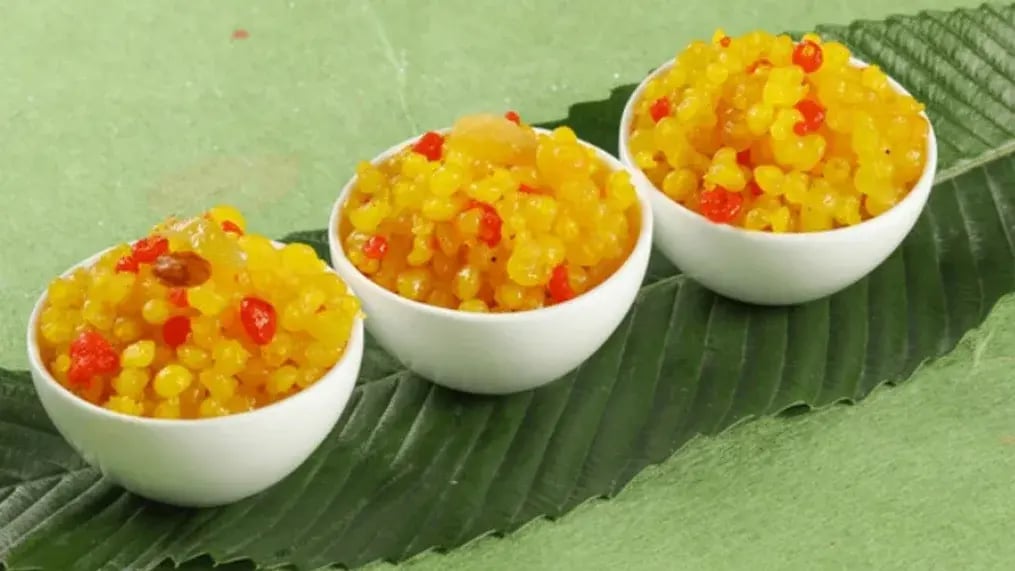
Mihidana, however, is made with a thinly prepared batter using gram flour. The batter is passed through a perforated spoon into hot ghee, and as the batter forms tiny droplets, they fry into tiny, granular pearls. After being soaked in sugar syrup, mihidana becomes light and has a crispy outside with a very different texture from Sitabhog.
When they are paired together, their contrasting structures are the highlight of the sweet pair of Bardhaman. The softness of Sitabhog contrasts with the fine and grainy feel of mihidana as they break apart easily while eating. The two sweets are therefore traditionally eaten together due to their complementary textures.
How to Make Sitabhog: An Authentic Recipe
Ingredients for Sitabhog & Nikhuti
For Sitabhog Strands:
- 250 grams fresh chhana (well-drained)
- 40 grams rice flour
- 200 grams sugar
- 400 ml water
- ½ teaspoon cardamom powder
- Ghee for frying
For Nikhuti ( Mini Jamuns):
- 100 grams fresh chhana
- 10 grams maida
- A pinch of baking soda
- Sugar syrup (prepared above)
Step-by-Step Instructions
Begin by preparing the sugar syrup. Combine the water and sugar and allow to boil together until completely dissolved. Allow the syrup to reduce slightly until it has a very sticky consistency. Add the cardamom powder and keep the syrup warm.
Prepare the Sitabhog strands from the chhana by kneading the chhana until completely smooth. There should be no visible grain in the chhana after it's been completely kneaded, as it impacts the final texture directly.
Gradually knead in the rice flour until a soft, pliable dough is formed. When you're ready to shape your strands, use a perforated ladle to press the dough directly into medium-hot ghee and lightly fry until the strands hold their shape but are not too dark. Then carefully remove strands from the ghee and place them into the warm sugar syrup so the strands can evenly absorb the sweet taste.
To make the Nikhuti, combine chhana with maida and add a pinch of baking soda, and knead until completely smooth. Roll the mixture into very small round balls and fry them low until they are a light golden color. Immediately transfer all the nikhuti into the warm sugar syrup to soak.
Allow both the strands and nikhuti to rest in the sugar syrup for a period of time before serving. This resting period helps to develop the final desired texture and taste that is associated with the traditional preparation of Sitabhog.
Tips for Making the Perfect Sitabhog
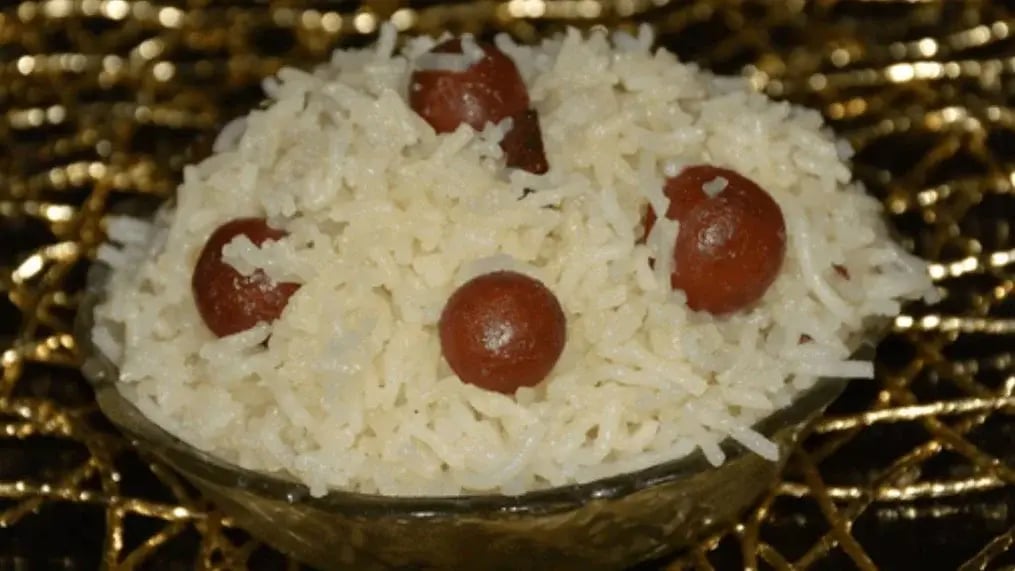
Creating a perfect Sitabhog starts with using high-quality chhana (paneer). The chhana should be soft and moist. It is important that the chhana is properly kneaded to give the final dish a smooth consistency. Any graininess in the chhana will cause the strands to break when cooked. Also, using sweet-smelling rice flour, such as Govind Bhog-derived rice flour, will add a subtle flavor to the Sitabhog.
While frying the Sitabhog, it is also crucial to control the temperature. If the frying temperature is too high, the cooked strands will turn too hard. If the temperature is too low, the cooked strands will break apart. Keep the sugar syrup warm so that the Sitabhog can adequately absorb the syrup and not crystallise.
Frequently Asked Questions
Q1: Where can I buy authentic Sitabhog? 
Sitabhog is a popular Bengali type of sweet that is best purchased from traditional Bengali-style confectioneries in its home city of Bardhaman.
Q2: Is Sitabhog difficult to make at home?
It takes practice and good measurement to create this sweet. Accurate measurement and practice lead to better consistency and results. Making the sweet is an achievable task, but it does require some skill with the dough and during frying.
Like This Article?
More Like This


Popular Articles


Trending Web Stories


Curated Recipes