




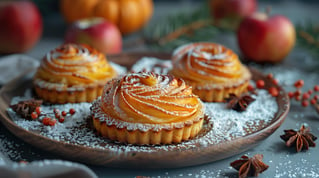


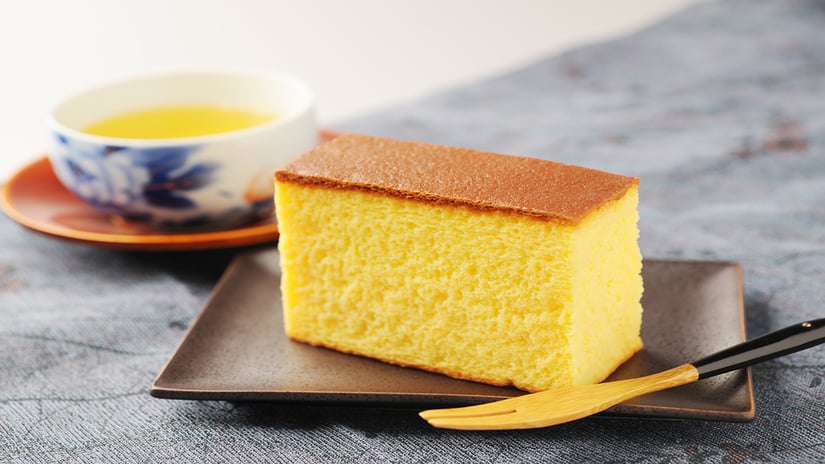


With its rich culinary history and unique culinary landscape, Japan is home to one of the most well-liked cuisines in the world for all the right reasons.
Why Japanese Desserts Are Loved Around The World
Intricate cuisines that are somewhat more nuanced than other prominent cuisines are flourishing in Japan. Asian cultures have gained popularity in recent years, particularly those of India, Japan, and Korea. Moreover, there is a growing global trend of individuals trying their native cuisine.
Anime and Japanese animation have made everyone familiar with the concept of Japanese Ramen. Did you realize, though, that Japanese traditional culinary books provide a vast assortment of desserts? Because of the intricate culinary expertise involved, these delicacies are exclusive to Japan. They are, in fact, quite difficult to prepare.
These Japanese desserts are famous for their refined sweetness, elegant presentation, relatively straightforward preparation process, and unique texture. This popularity is facilitated by anime, Japanese cafes, social networks, and other sources, which only increase the desire to taste these delights.
6 Easy Japanese Desserts To Make At Home
Imagoyaki
A popular snack in Japan, imagoyaki goes by several names and is loved all throughout the nation. The cuisine consists of a sponge that resembles a cake, filled with an anko (red bean) combination that has been sweetened. Poured into specialized pans, the thick batter made of eggs gives the cake its classic round shape and crunchy exterior.
Imagawake, a fish-shaped dessert, is thought to have originated in the 18th century and was a forerunner to taiyaki. Owing to its widespread appeal, this classic dessert is now offered with a variety of fillings, such as cheese, fruits, custards with a vanilla taste, or white beans.
Kasutera
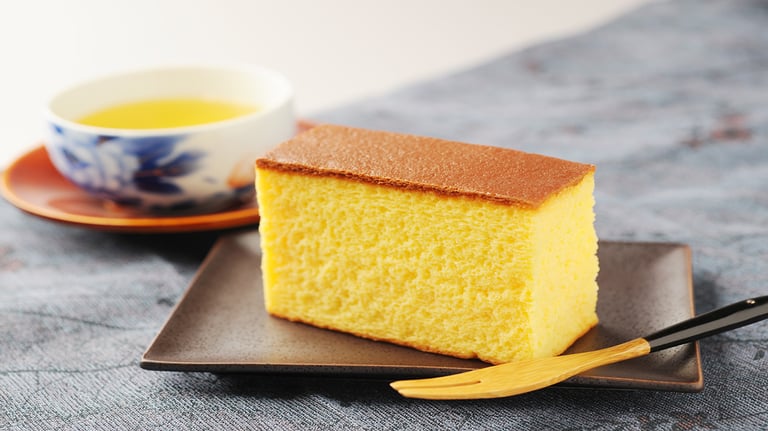
A classic Japanese sponge cake, kasutera is prepared using sugar, flour, eggs, and starchy syrup. This specialty from Nagasaki is made entirely of egg foam; no butter or oil is used, and it has a spongy, moist, and soft feel. Portuguese traders introduced the cake, also called Castella, to Japan in the sixteenth century.
Pao de Castela, or bread from Castille, is the source of the name. Nagasaki kasutera is now widely available in a variety of tastes, including chocolate, green matcha tea, brown sugar, and honey. Giving it to friends or family as a present is quite common, and it makes a lovely memento.
Mochi
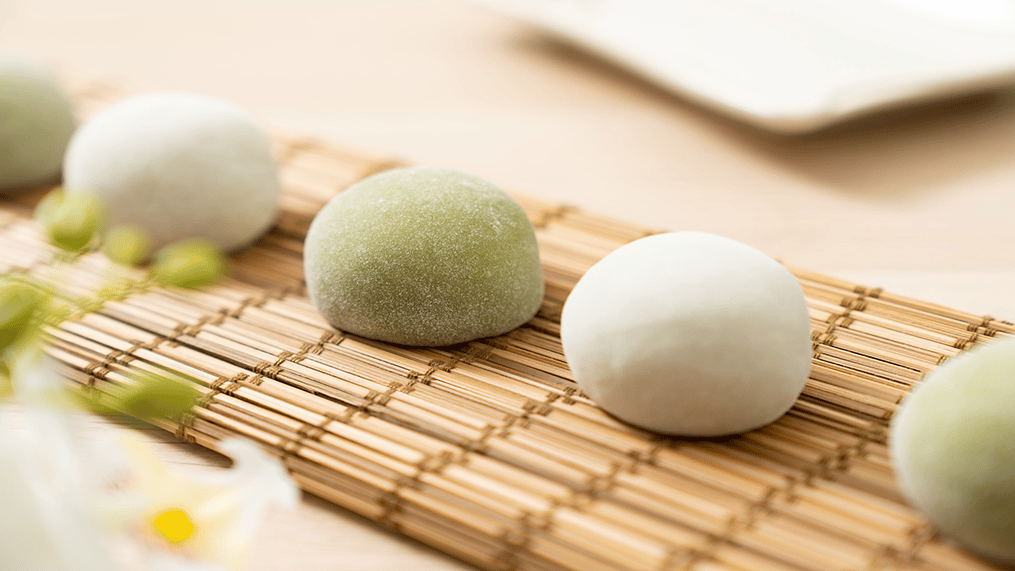
Glutinous rice is used to make mochi, which are little cakes that are a staple of Japanese food and culture. The laborious act of pounding boiling or steamed rice—typically the sticky mochigome variety—until it produces a thick, uniform paste is the first step in making mochi.
It is then formed into tiny circular shapes by rolling and shaping it. Mochi may have originated in China, but for generations, it has been connected to Japan.
It first arose during the Yayoi period, when it was only consumed by the nobility. However, throughout the Heian period, people began to make and serve it frequently during religious events because they felt it would bring them luck and health.
Dorayaki
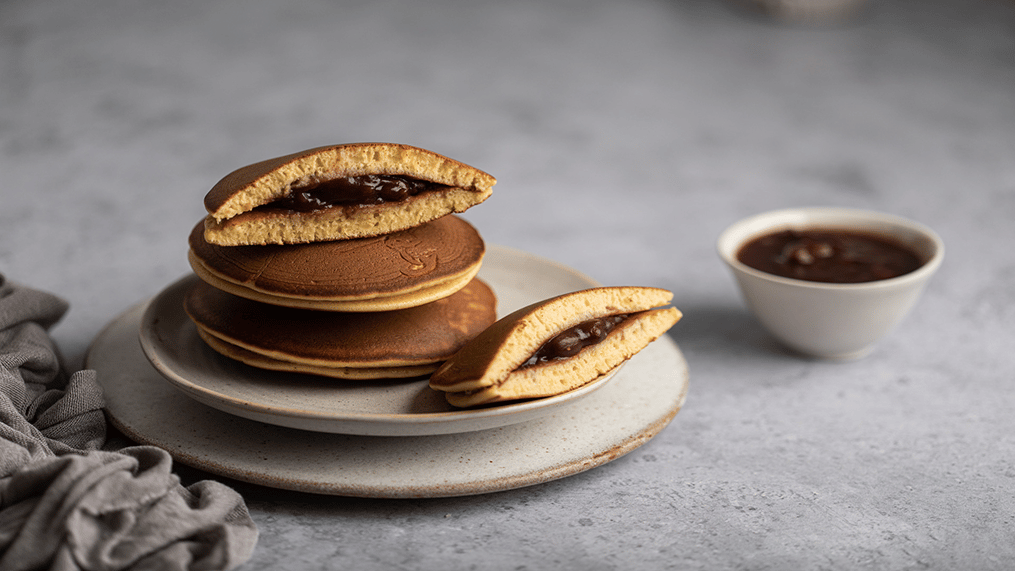
Dorayaki, a classic Japanese delicacy made of two fluffy pancakes with a sweet filling, is a popular choice among wagashi. It's a wonderful snack. Although its origins are said to be ancient, the popular treat took on its current form in the early 1900s when it was reportedly first made as a sandwich by a Tokyo-based confectionery called Usagiya. The name of the treat comes from the Japanese word for a gong, dora, which the shape of the dorayaki is reminiscent of. Since then, two tiny pancake-shaped patties joined by the so-called anko, or sweet azuki red bean paste, have been referred to as dorayaki.
Coffee Daifuku
This daifuku kind is composed of a creamy bean paste with a coffee taste and a crunchy mochi outer layer. There are several varieties of the dish offered at Japanese dessert shops. Every coffee dafiku typically has a filling composed of fresh cream, but some additionally add mochi to the coffee, which adds another layer of coffee flavor and gives the cake a unique brown hue.
Kakigōri
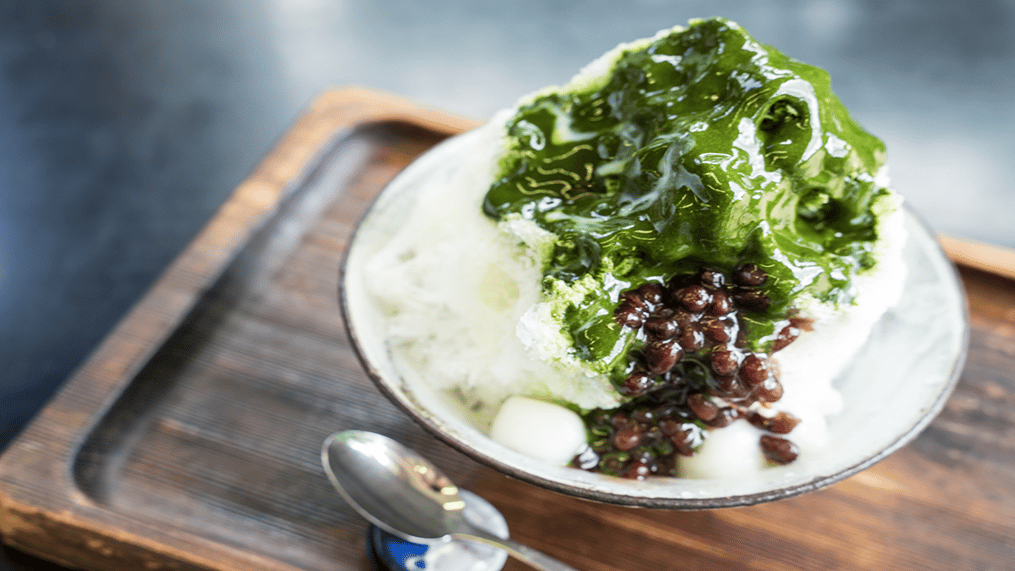
Japanese dessert kakigōri is made with shaved ice and flavored syrup, usually fruit-based. Moreover, it can be garnished with mochi and sweet bean paste and sweetened with condensed or evaporated milk. Although it has been around since the Heian period (794–1185), the general public did not have access to it until the 19th century; the first kakigōri store is said to have opened in 1869.
Traditionally, pure ice extracted from natural springs using mineral water is utilized to make kakigōri. The shaved ice has a fluffy, snowflake quality thanks to the hand-cranked machine.
Stock Traditional Japanese Ingredients:
Keep ingredients such as matcha, red bean paste, rice flour, sesame, and agar-agar in stock to create authentic Japanese desserts with unique flavors and textures.
Balance Sweetness And Texture:
Japanese sweets often combine mild sweetness with contrasting textures. When preparing Japanese delicacies, it is important to note that such desserts should have a balanced amount of various consistencies, ranging from creamy and chewy to pillowy-soft and crunchy, so that every bite leaves a pleasant sensation on the tongue.
Start With Beginner-Friendly Recipes
Begin with simple preparations that require fewer techniques and ingredients. Easy Japanese dessert recipes, such as mochi, dorayaki, or simple matcha desserts, can help you gain confidence and move on to more complex desserts.
Frequently Asked Questions
What are the most popular Japanese desserts? 
Popular choices include mochi, daifuku, dorayaki, matcha desserts, taiyaki, and Japanese cheesecake. These popular Japanese desserts are loved for their delicate flavors, appealing textures, and distinctive traditional presentation.
Which Japanese desserts are easiest to make at home?
Mochi, dorayaki, and basic matcha pudding are straightforward desserts to begin with. Easy Japanese dessert recipes call for fewer techniques and use familiar textures and flavors.
What is the difference between mochi and daifuku?
Mochi is a type of chewy confectionery made of glutinous rice flour, whereas Daifuku is a sweet filled with sweet red bean wrapped in mochi. Both are classic Japanese sweets.
Are Japanese desserts less sweet than Western desserts?
Most traditional Japanese desserts are less sweet and balance the richness of the ingredients used, such as matcha, red bean, sesame, and various fruits, depending on the recipe. However, there are also many different variations and modern adaptations of Japanese sweets that are less sweet than Western pastries.
Which Japanese desserts pair well with tea?
Mochi, dorayaki, yokan, and various other treats go well with green tea. These Japanese sweets are less sweet and hence complement tea by balancing gentle sweetness with earthy, bitter, or roasted flavors.
Like This Article?
More Like This


Popular Articles


Trending Web Stories


Curated Recipes


