









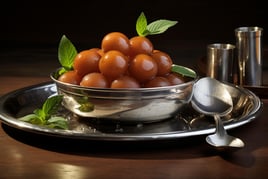




Wishing you a prosperous festive season as we bring you three classic halwa recipes you should make and share with loved ones on one day of the festive season

Classic Halwas for Navratri and Durga Puja
Need some ideas on what dessert to prepare on which day of Durga Puja or Navratri? We’ve got you fam with this easy selection of classic festive halwas that you can make for this season. It's the season of celebrations, after all, so the calorie counting can wait, and let the indulgence of the ghee-rich goodness consume you over this festival of good triumphing over evil.
Also Read: Special Navratri Dessert Ideas
Sooji Halwa

Ingredients:
- 75 gm sooji (semolina)
- 100 gm sugar
- 90 gm ghee
- 120 ml milk
- 240 ml water
- 1/4 tsp cardamom powder
- 1 tbsp slivered almonds for garnish
Instructions:
- Add sugar, milk, and water into a thick-bottomed saucepan and bring to a boil, stirring until the sugar fully dissolves
- Set aside
- Take a heavy-bottomed nonstick pan and dry roast sooji on low heat for a couple of minutes
- Roast until the sooji smells nutty and turns lightly golden
- Add ghee and increase to medium-low heat
- Cook sooji until light brown, stirring continuously
- Add cardamom powder to the sooji
- Reduce heat to the lowest setting and carefully pour in the boiled milk-water-sugar mixture
- Increase heat to medium-low and stir continuously, ensuring nothing sticks to the bottom
- The halwa will start to come together, and the mixture will begin to bubble and splash
- Continue stirring until the halwa reaches a dropping consistency
- Remove from heat
- As it cools, the texture will become grainy
- Garnish with slivered almonds, cashews, and raisins before serving
Gajar Ka Halwa

Instructions:
- 10 large carrots
- 2 tbsp ghee
- 240 ml full cream milk
- 150 ml sweetened condensed milk
- 8 cardamom pods powdered
- 10 cashews, chopped
- 10 almonds, chopped
- 2 tsp pistachios, finely chopped
Instructions:
- Wash red carrots; preferably, otherwise normal carrots will do too, then peel their skin
- Then grate them using a steel grater with the mesh that produces long threads
- Transfer the grated carrots to the kadai
- Add the ghee and sauté for three minutes
- This helps the carrots to cook quickly and also prevents quick disintegration after cooking
- The carrots should be just tender but still offer a slightly grated texture
- Add milk and mix well to help cook the carrots and bring to a boil, stirring occasionally
- Simmer for five minutes, or so, until the milk evaporates completely
- The mixture should be moist but not runny before the addition of the condensed milk
- The carrots will be cooked well at this point
- Then add the condensed milk and mix well
- Do a taste test later and add sugar if it's not sweet enough
- Bring to a boil again and stir occasionally, so the carrots cook completely and don't stick to the bottom or get burnt
- The halwa should cook for another 5-7 minutes or till it is thick and non-sticky
- Keep mixing and stirring to mash until the excess moisture evaporates completely
- This means that the mixture needs to be of a thick consistency without any liquid
- Add cardamom powder, cashews, and almonds when it reaches a wet and thick consistency
- Give a good mix and turn off the heat
- Serve the gajar ka halwa garnished with chopped pistachios
Moong Dal Halwa

Ingredients:
- 200 gm moong dal (split yellow lentils)
- Water, for soaking
- 120 ml ghee
- 1 tbsp semolina
- 475 ml milk
- 200 gm sugar
- 5 cashews, chopped
- 5 almonds, chopped
- 1/2 tsp cardamom powder
Instructions:
- Rinse the moong dal well until the water runs clear instead of cloudy, and soak for two hours
- After two hours, drain off the water and transfer to a blender
- Blend to a coarse paste, adding water if required
- Keep aside
- In a large kadai, heat the ghee and add the semolina, rava, or sooji and roast on a low flame until the semolina releases an aroma
- The rava will give a good texture to the halwa
- Keep the flame low and roast until the fragrance develops without burning it
- Now add the blended semi-coarse moong dal and mix well
- Keeping the flame on medium, cook, stirring frequently, until the moong dal absorbs the ghee
- Continue to cook, breaking the lumps
- Then cook the dal slowly and patiently while stirring until it reaches a grainy consistency and the ghee comes out
- Cook until the mixture crumbles with a nice grainy look and feel
- After 20 minutes, the mixture will be somewhat dry
- When that happens, pour in the milk and add the saffron
- You can also use water or a milk-water combination for a less rich halwa
- Add the milk in small quantities at a time and stir until it is fully incorporated
- Stir continuously until the mixture absorbs all the milk
- Keep cooking until the halwa holds shape and leaves the sides of the kadai
- Now add sugar, mix well, and let it dissolve into the halwa
- Continue to cook on a low flame, breaking any lumps that might form
- Cook until the halwa and ghee separate and turn golden brown
- This takes approximately 1 hour
- Now add the nuts and cardamom powder, mixing well to combine, and remove from heat
- Enjoy moong dal halwa garnished with more nuts
Tips for Making Festive Halwa
- Roast the sooji or moong dal on low to medium heat. Do not roast it on a high flame.
- Add hot milk or water while you mix the mixture. This keeps the mixture from lumping together and makes it fluffy.
- Stir the mix constantly and make sure to break any lumps with the back of your spoon.
You know your halwa is done when it becomes thick, set, and starts to leave the sides of the pan. It may also begin to separate into balls of ghee.
Which Halwa Is Suitable for Navratri Fasting?
Vrat-friendly halwa recipes can be made with kuttu (buckwheat), singhara (water chestnut), rajgira (amaranth), or any other item allowed in your vrat. Recipes using wheat flour, sooji, or other grains are not vrat-friendly.
Since different families follow different vrat rules, it's important to consult with your family/household about which items are allowed.
Frequently Asked Questions
Which halwa can I eat during Navratri fasting? 
Vrat ka halwa made with kuttu, singhara, rajgira, or other fasting-approved base may be allowed based on a household’s specific vrat rules.
How do I make halwa soft and smooth?
Use the correct ratio of liquid to base, and add the hot liquid in a steady stream while constantly stirring the mixture. Additionally, cooking over a low flame may also help to prepare smooth halwa recipes.
How do I prevent halwa from becoming lumpy?
Make sure to constantly stir the mixture and break up lumps as you go, especially when adding a liquid that has been heated. This is a common method that may be used for many halwa recipes as well.
Can halwa be made ahead for Navratri?
Most vrat ka halwa recipes can be prepared ahead of time and stored in a sealed container in the refrigerator. Simply reheat the mixture over a low flame, adding a few drops of water or milk if needed.
Like This Article?
More Like This




Popular Articles


Trending Web Stories


Curated Recipes


