










4 mins
Aug 6, 2026
EN
हिं
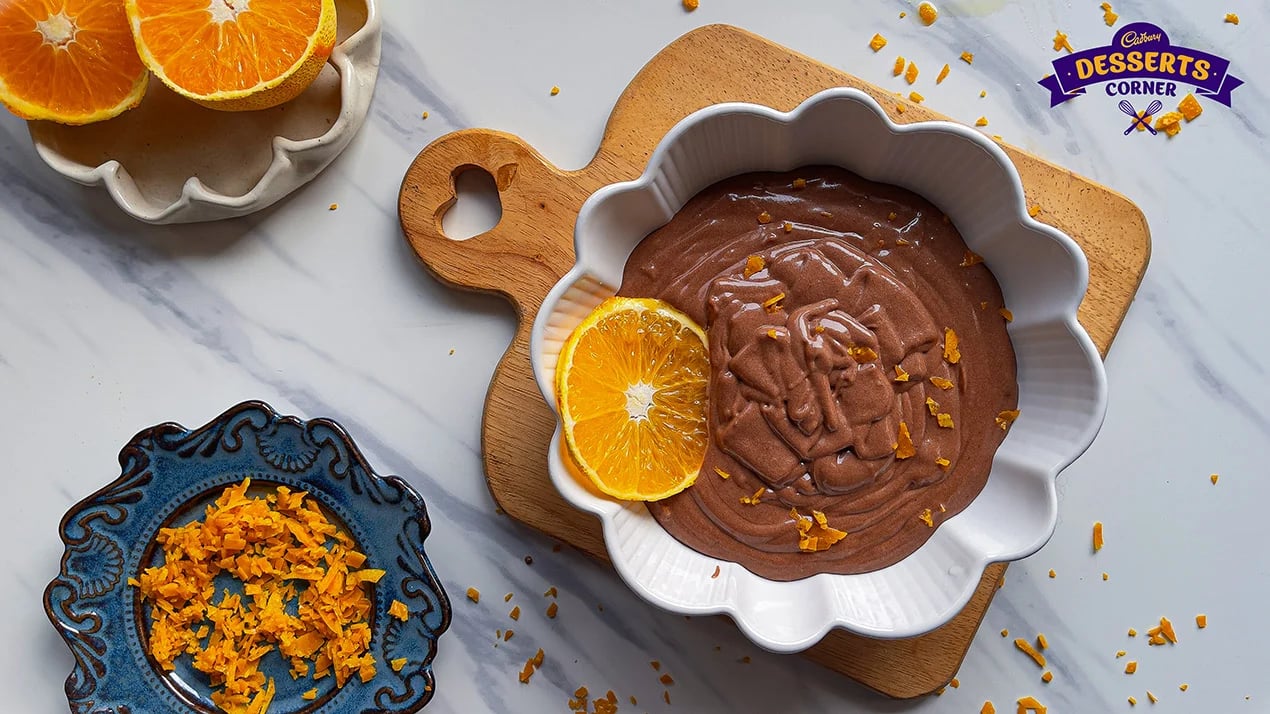
Chocolate Orange Mousse Recipe – Easy Chocolate Mousse with Citrus Twist Recipe
 Rishita Thalluri

Rishita Thalluri
 Published: Feb 07, 2024
Last Updated Date:May 20, 2026
Published: Feb 07, 2024
Last Updated Date:May 20, 2026


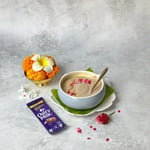
A refined chocolate mousse with orange creates a layered flavor profile while maintaining a smooth structure suitable for chilled serving.

Difficulty:easy

Serves:2

Time:25 mins

Contains egg: No
All too often, the gloomy weather, be it on a particularly humid summer night or a dull winter, leaves us feeling blue and in need of an emotional pick-me-up. Enter this Silky Chocolate Orange Mousse — a simple dessert that takes mere minutes to prepare yet delivers rich comfort with every spoonful.
The process of making this dessert begins by melting chocolate in a microwave-safe bowl. Rich silky milk chocolate pieces and a portion of heavy cream are microwaved togethe......Read More
Ingredients You Need
For Chocolate
Orange Mousse
2
Servings
For the Recipe
- Heavy Cream- 1 1/2cup
- Cadbury Dairy Milk Silk - 150 gm
- Malta Orange- 1
Optional:
- Orange extract
- Dark chocolate (for intensity)
How To Make Chocolate Mousse (Step-by-Step Guide)
Step 1 — Melt Chocolate With Cream
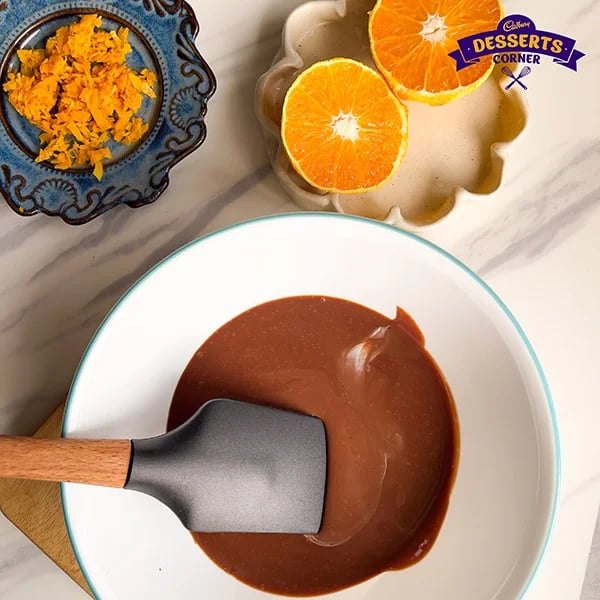
Put the chopped Cadbury Dairy Milk Silk chocolate and 100 ml of heavy cream in a bowl that can handle heat and set it over water that is just starting to simmer. Keep stirring gently until the chocolate is completely melted and the ganache base is smooth, shiny, and even. Take it off the heat and let it cool to room temperature. This is the most important timing step in making chocolate mousse because if the ganache is still warm when you fold in the whipped cream, the foam structure will deflate permanently.
Step 2 — Whip The Remaining Cream
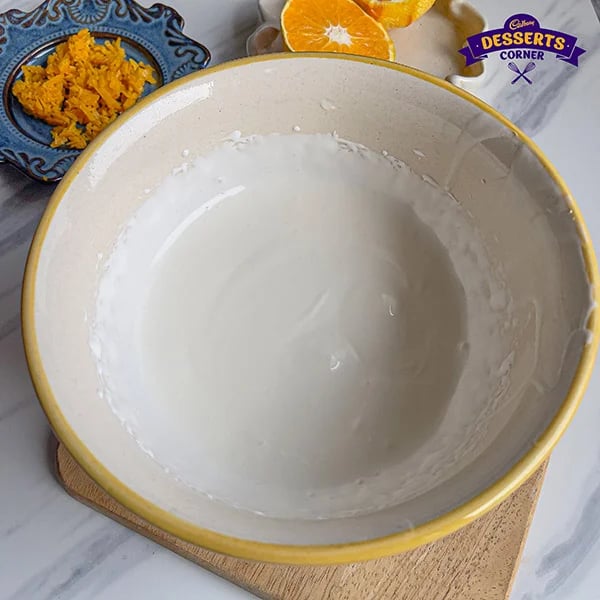
Put the last 200 ml of cold cream into a clean, cold mixing bowl. Whip on medium-high speed until stiff peaks form. When you lift the beater, the cream should hold a sharp, firm peak without folding over or slumping. Don't whip the cream past the stiff peak stage. If you do, it will start to separate into butter and buttermilk, which will make it hard to mix smoothly into the chocolate ganache base. Putting the bowl and beaters in the freezer for ten minutes before whipping makes the process go faster and makes the end result more stable.
Step 3 — Fold Gently
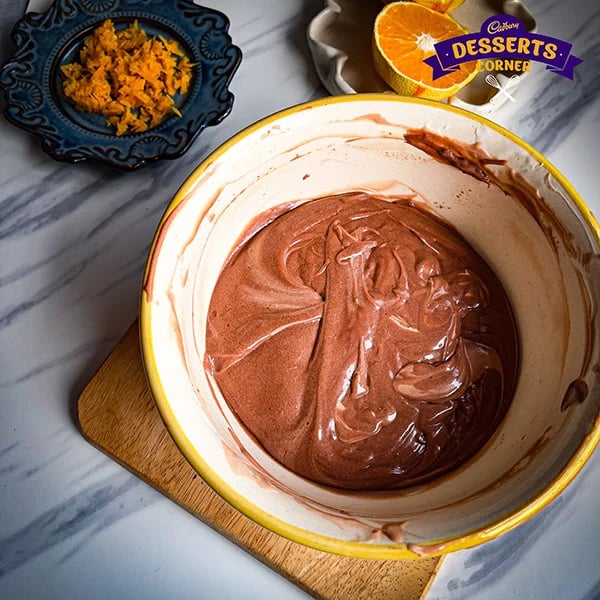
Add one-fourth of the whipped cream to the cooled ganache and stir well. This step makes the ganache less dense, which makes it easier to fold in the rest of the whipped cream. Add the rest of the cream in two more parts, folding each one in with slow, wide, circular strokes from the bottom of the bowl up. The mixture is ready to be folded when it is all one color with no white streaks. If you fold it any more than this, the air that was added during whipping will come out.
Step 4 — Add Orange Zest

Use two or three gentle strokes to fold the fresh orange zest into the mousse mixture. The goal is to spread it out evenly without making it less fluffy. If you're using orange extract, add it to the cooled ganache base before the first cream addition instead of after the full combination. This will make sure that the orange flavor is evenly spread throughout the finished chocolate orange mousse. For the best smell, grate the zest from the orange right before you use it.
Step 5 — Chill
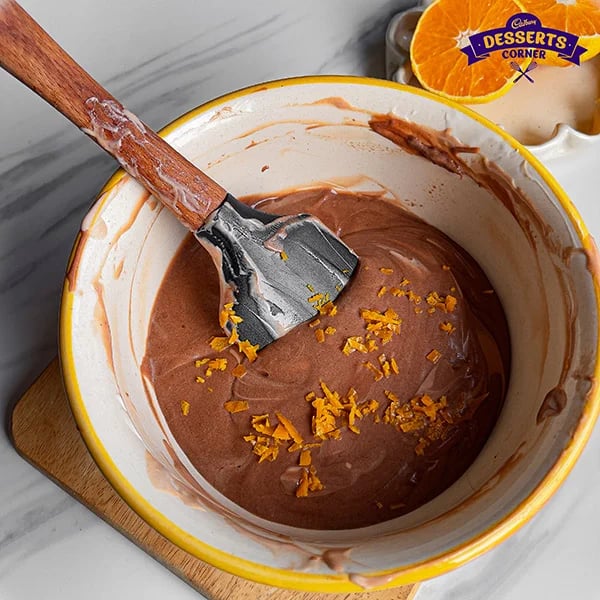
Spoon or pipe the finished chocolate mousse into glasses for each person. Use a small spatula to smooth the top, then cover with plastic wrap that is gently pressed against the top. Put the glasses in the fridge for at least two hours. During this time, the mousse goes from being pourable to being firm and spoonable, which is what a properly made mousse recipe should be like. At least four hours will give you the cleanest texture and the best flavor.
How To Get Perfect Light And Airy Mousse Texture
The lightness of a chocolate mousse depends entirely on how well the whipped cream holds up when it is folded into the ganache base. Before you start folding, the whipped cream must be stiff enough to form peaks. If it isn't, the mousse will set with a thicker, pudding-like texture instead of the light, airy texture that a good mousse recipe should have. The way you fold is just as important. You should use a big silicone spatula that reaches the bottom of the bowl with each stroke and move it slowly and deliberately. Not overmixing after the last fold keeps the most air in the finished mousse and makes it as light as possible when it is chilled.
Chocolate Mousse vs Orange Mousse – What’s The Difference?
A regular chocolate mousse has a ganache base, which is melted chocolate mixed with cream. This gives the mousse a rich structure and a lot of flavor. Because it has cocoa butter and cream fat in it, this dessert is heavy and filling, so people usually only eat a little bit at a time. An orange mousse, on the other hand, is usually made with a citrus curd or juice-based gelatin.
This makes it a lighter, more acidic, fruit-forward dessert with less of the rich, saturated fat that makes the chocolate version so rich. This recipe's chocolate orange mousse is more like a chocolate mousse with citrus flavoring than a fruit mousse with chocolate added. This is because the ganache base, the whipped cream structure, and the amount of chocolate relative to other ingredients all follow the chocolate mousse format.
Chocolate Orange – Why This Flavor Combination Works
It's been a long time since chocolate and orange were sold together, so most people know it's a good combination. But anyone who makes it at home should know why it works. Limonene and other terpene compounds in orange zest are fat-soluble, which means they dissolve into cocoa butter and cream fat instead of water-based components.
This makes the flavor truly integrated instead of just sitting next to each other. When citrus scents are present, the bitterness of cocoa solids is less noticeable. This is a well-known flavor interaction that makes a chocolate orange dessert taste less sweet and bitter than plain chocolate while looking more complex and layered.
How To Use Orange Zest Without Making Mousse Bitter
Fresh orange zest brings in the good-smelling compounds from the outer peel layer, but it also brings in the risk of bitterness from the white pith right below it if the grating goes too deep. A microplane grater makes zest that is finer and more controlled than a box grater. It also has a higher aromatic compound-to-pith ratio than coarser grating methods. Controlling the amount is important.
The zest from half of a large orange gives the chocolate a subtle orange flavor that most people think of as background brightness. The zest from the whole orange gives the chocolate a stronger citrus flavor that some people may find too strong against the sweetness of the chocolate mousse base.
Pro Tips For Perfect Chocolate Orange Mousse
Cream Temperature
The two cream parts in this recipe need to be at different temperatures for their jobs. The cream that melts with the chocolate needs to be warm enough to mix smoothly, and the cream that is whipped separately needs to be cold enough to trap and hold air as stable foam. The best way to meet both conditions without having to prepare them separately or wait a long time is to use cream straight from the fridge for both purposes. Warm the first part only as needed to melt with the chocolate, and keep the second part cold until it's time to whip. When you whip warm whipping cream, it falls apart in a few minutes, making a chocolate mousse that sets flat instead of light.
Chocolate Melting
The ganache base must be completely smooth before adding the cream. There should be no lumps or graininess in the chocolate, which would mean that it hasn't melted all the way or has gotten too hot. Using a double boiler over water that is barely simmering and stirring constantly keeps the chocolate from getting too hot (which makes it seize) or too cold (which leaves solid pieces that make the finished chocolate orange mousse uneven). When the ganache is shiny, completely liquid, and doesn't leave any residue on the spoon when it drips from the bowl, it's done.
Balanced Citrus Flavor
The orange zest should be added after the ganache and whipped cream are mixed together, not before or during. This way, the amount can be changed based on taste instead of committing to the full amount ahead of time. It's better to add two-thirds of the planned zest first, taste it, and then add more until you get the right level of citrus flavor. The concentration of aromatic compounds in different oranges can be very different. For example, a small, very fragrant orange may only need half the zest of a larger, less fragrant orange.
Variations Of Chocolate Orange Dessert You Can Try
Dark Chocolate Orange Mousse
If you use Bournville instead of all or half of the milk chocolate, you get a chocolate orange mousse that is less sweet, has a stronger flavor, and is better for adults. The orange zest stands out more against the darker, more bitter background, creating a flavor profile that is more like the well-known dark chocolate orange product format in a fancy mousse presentation. The structure stays the same; only the chocolate part changes.
Orange Chocolate Pudding
By using the same ganache base but with a little more chocolate than cream, and putting the mixture in a baking dish instead of individual glasses, you can make a thicker, more pudding-like chocolate orange dessert that can be sliced and served. This version needs to be in the fridge for four hours instead of the two hours that the mousse needs. This makes it easier to cut into clean portions, which is great for dinner parties. A sprinkle of cocoa powder on top before serving makes the chocolate flavor clear right away.
Vegan Chocolate Orange Mousse
To make this dessert fully plant-based, use full-fat chilled coconut cream instead of heavy cream and a dairy-free dark chocolate bar. When you put the can in the fridge overnight, the chilled coconut cream whips up to stiff peaks just like dairy cream. This makes a mousse that is just as light and has a hint of coconut flavor that goes well with the orange zest flavor. This change works for guests who don't eat dairy and doesn't require any changes to how the food is made.
Creative Serving & Garnishing Ideas
Orange Slices/ Zest
Putting a thin half-wheel of fresh orange on the rim of the serving glass and a few curls of fresh orange zest on top of the set chocolate mousse makes a garnish that clearly shows the citrus flavor of the recipe. The bright orange color stands out against the dark brown chocolate surface, making a natural, high-contrast image that looks great in photos. Instead of flat grated zest, use a channel knife to make fine, spiral zest curls. This makes a more elegant garnish with more depth.
Chocolate Shavings
If you press a warm vegetable peeler against the flat side of a cold chocolate bar, it will make thin, curling shavings that you can sprinkle on top of the mousse right before serving. The shavings add a rough texture that stands out from the smooth set chocolate orange mousse and give the dish an extra chocolate flavor that melts nicely in the mouth as you eat the first piece. By putting dark and milk chocolate shavings on the surface in a pattern, you can make a two-tone garnish that shows off the recipe's two chocolate flavors.
Layered Dessert Cups
To make the chocolate orange mousse, put crushed dark chocolate biscuits on the bottom of a clear dessert cup, then the mousse in the middle, and finally lightly sweetened whipped cream on top. This makes a layered look where you can see all the parts through the glass wall. The crushed biscuit base gives each spoonful a crunchy bottom, which plain mousse doesn't have, and makes a cross-sectional profile that shows the dessert's structure before you take a bite. A single curl of orange zest and a small piece of chocolate on top of the whipped cream make a perfect, well-thought-out garnish.
Common Mistakes To Avoid While Making Chocolate Mousse
Over-Whipping Cream
If you whip the cream too much, it will turn the emulsified fat structure into butter, which makes the texture grainy and separated. This means that you can't fold it into the chocolate ganache base without making lumps in the chocolate mousse. The right time to stop is when the cream reaches the stiff peak stage, when it has a sharp tip that doesn't droop when the beater is lifted. In most cases, you can avoid over-whipping by checking every 20 seconds during the last stage of whipping and stopping when you see the first sign of grainy texture on the walls of the bowl.
Overheating Chocolate
When chocolate is heated above 50°C in a double boiler, it loses its emulsified cocoa butter structure and turns into a dry, clumped mass that doesn't mix well with the cream, no matter how hard you stir it. To keep the temperature from going too high, keep the water in the double boiler at a gentle simmer instead of a rolling boil, and stir the chocolate constantly while it melts. If the ganache starts to seize, you can sometimes save it by taking it off the heat right away and stirring in a teaspoon of warm cream one at a time.
Adding Too Much Liquid
Adding too much liquid, like orange juice instead of just zest or any water-based flavoring, directly to the warm chocolate ganache adds water to a fat-based emulsion in a way that usually makes the chocolate seize or the ganache break into a greasy, separated mass. The only things that can be added directly to the melted chocolate for this chocolate orange mousse are fat-soluble things like zest, extract, and cream. If any water-based ingredient is used, it must be added to the whipped cream part and not the ganache base.
How To Store Chocolate Orange Mousse
Chocolate orange mousse can be kept in the fridge for up to three days if it is tightly wrapped in plastic wrap and pressed directly against the surface of the mousse to keep a skin from forming. The mousse gets firmer over the first 24 hours as the ganache base fully crystallizes. At the 24-hour mark, the texture and flavor are much better than at the two-hour mark.
Taking the mousse out of the fridge ten minutes before serving lets the outside warm up a little, which makes the first spoonful creamier and softer than if you eat it straight from the coldest refrigerator temperature. Do not freeze. When you freeze cream, the water in it turns into ice crystals that break up the foam structure. When you thaw it, the texture will be grainy and separated, and stirring or reblending will not fix it.
FAQs About Chocolate Orange Mousse
Can I make chocolate mousse without cream? 
Yes, silken tofu blended smooth makes a dairy-free base that makes a thicker chocolate mousse without cream. A second option is to whip aquafaba, the liquid from a can of chickpeas, until it forms stiff peaks. This makes a lighter, foam-based mousse that has a texture similar to the cream version. Neither substitute makes the same thing as the cream-based original, but both are good options for people who don't want to eat dairy.
Can I use orange juice instead of zest?
You shouldn't add orange juice directly to the chocolate ganache because the water in the juice will make the chocolate harden, no matter how much you use. Adding up to one teaspoon of orange juice to the whipped cream before folding it in is safe and gives it a light citrus flavor. For a truly flavored orange chocolate mousse, zest is always better.
Why did my mousse become dense?
One of three things can make chocolate mousse too thick: not whipping the cream to full stiff peaks before folding it in, adding the ganache while it was still warm, which melted the foam structure, or folding it too much after the two parts were mixed. The folding should stop as soon as there are no more white streaks. If you keep folding after that, the mousse will slowly lose its air.
Can I make this dessert vegan?
Yes, in this chocolate orange mousse recipe, chilled full-fat coconut cream whipped to stiff peaks takes the place of dairy cream. Use a dark chocolate bar that doesn't have any animal products in it, as shown on the label. When you use full-fat coconut cream correctly, the mousse has a hint of coconut flavor that goes well with the orange zest, and the texture is similar to that of dairy mousse.
How long should the mousse be refrigerated?
The mousse recipe needs at least two hours to change from a pourable to a spoonable consistency. Four to six hours is the best time to serve it because it has the right texture. You can keep the chocolate orange mousse in the fridge for up to three days. Over the first 24 hours, it gets firmer and then stays that way.
Like This Recipe?

Thank you for rating the recipe!
Recipe by Categories
Popular Articles
Sweet Celebrations Effortless Office Party ...

Unique Festive Confections: Custom And ...
3 mins
Jun 21, 2026

South Indian Rain Comforts: Delicious Indian ...
3 mins
Jun 20, 2026

Divine Devotion: Auspicious Shravan Month Sweet ...
4 mins
Jun 22, 2026

Holy Fasting Treats: A Comprehensive Sawan Vrat ...
4 mins
Jun 23, 2026
Recommended Recipes