








4 mins
Aug 6, 2026
EN
हिं
Chocolate Avocado Mousse Recipe – Healthy Avocado Chocolate Dessert Recipe
 Sunita Chakrabarty

Sunita Chakrabarty
 Published: Aug 01, 2024
Last Updated Date:Jun 09, 2026
Published: Aug 01, 2024
Last Updated Date:Jun 09, 2026


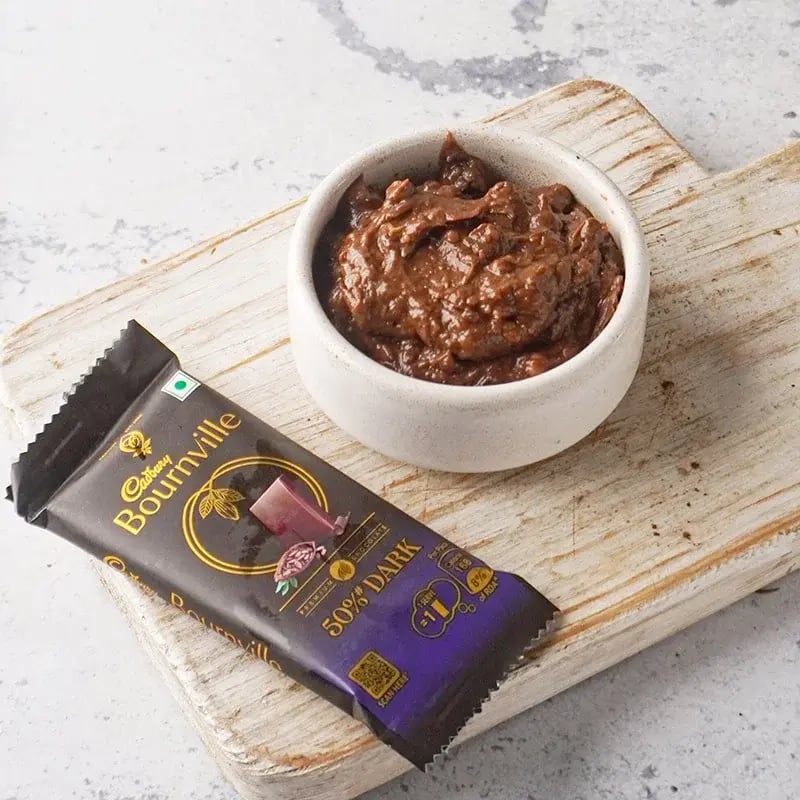
A refined chocolate mousse made with avocado that provides thick base, delivering a smooth dessert that holds its form as well as taste during chilled serving.

Difficulty:medium

Serves:1

Time:15 mins

Contains egg: No
Chocolate mousse is one of the simplest French desserts to prepare. Really, in only 15 minutes, you can make chocolate mousse at home that will equal any French restaurant's offering if you have a hand mixer, a microwave, and a rubber spatula. You may use elegant juice glasses, martini glasses, champagne flutes, tiny bowls, or espresso cups to serve the mousse. If you're throwing a party and would want to offer your guests a tiny sample, you may also serve the mousse in porce......Read More
Ingredients You Need
for Avocado
Chocolate Mousse
1
serving
For the Recipe
- 1 cup avocado
- 50 gm Dark Chocolate
- ½ cup soaked dates
- ½ cup soaked cashew
Optional
- Cocoa powder (stronger chocolate flavor)
- Honey/maple syrup
- Vanilla extract
How to Make Chocolate Avocado Mousse (Step-by-Step Guide)
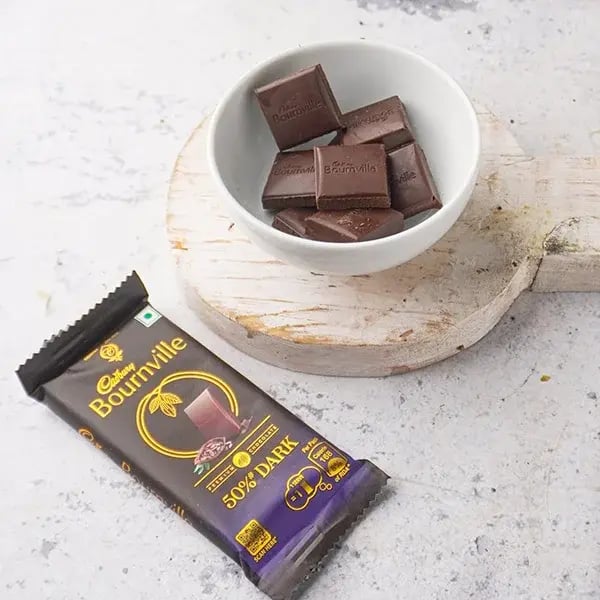
Melt Dark Chocolate
Cut the Bournville into small, even pieces and melt them in a double boiler over water that is barely simmering. Stir constantly until the mixture is completely smooth. You could also microwave it on medium power for 20 seconds at a time, stirring between each time. Let the melted chocolate cool to room temperature before moving on. If you add it to the warm blended avocado, it will be grainy and lumpy. When the bottom of the bowl feels warm but not hot against your palm, the chocolate is ready.
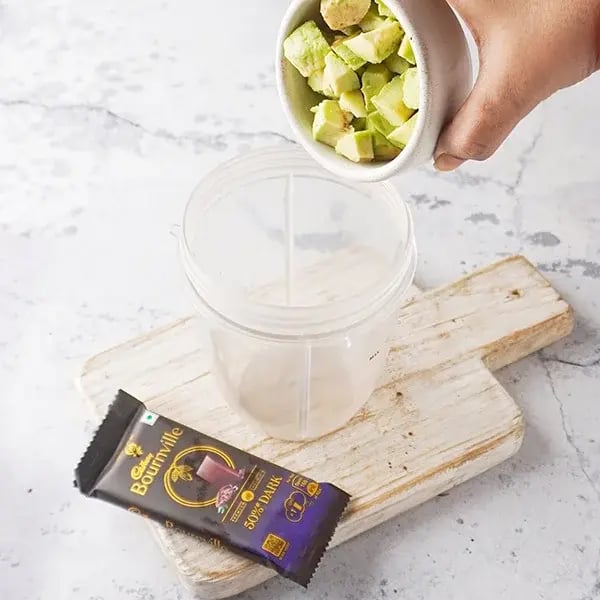
Add Avocado To The Blender
Cut the ripe avocados in half, take out the stones, and put the flesh in the blender. Blend the avocado on high speed for 30 seconds, stopping once to scrape down the sides if you need to. Before adding any other ingredients, the avocado should blend into a smooth, pale green paste with no visible fibers. If there are any grains at this point, it means the avocado is not ripe enough and will not get better with more blending.
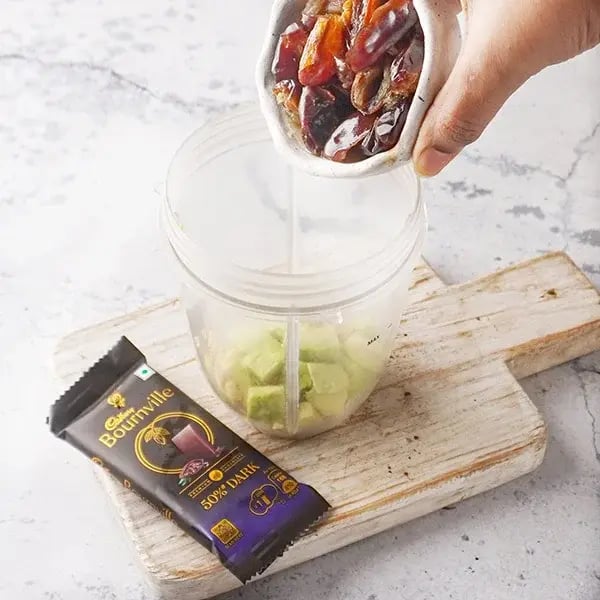
Add Soaked Dates And Cashews
Get rid of the water that the dates and cashews soaked in. Put both of them in the blender with the smooth avocado. Blend on high speed for 60 seconds, stopping once to scrape down the sides, until the mixture is completely smooth and even. At this point, the finished blend should be a thick, creamy paste with a slightly tan color from the dates. There should be no visible pieces of cashew or date fiber left.
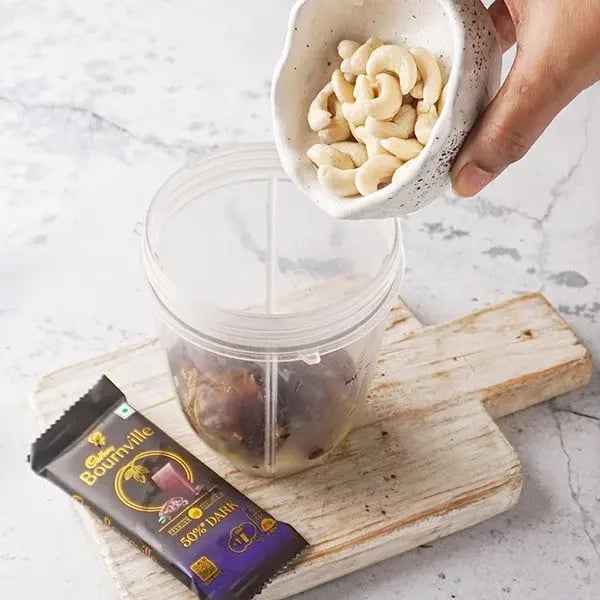
Blend Until Smooth
Put the cooled, melted Bournville on top of the avocado-date-cashew base in the blender. If you want to, you can add the cocoa powder and vanilla extract at this point. Blend on high speed for 45 seconds, or until the chocolate is completely mixed in and the mousse is a dark brown color all the way through, with no light streaks of avocado. If you want it to be sweeter, taste the finished blend and add honey or maple syrup. Blend for another ten seconds after making any changes.
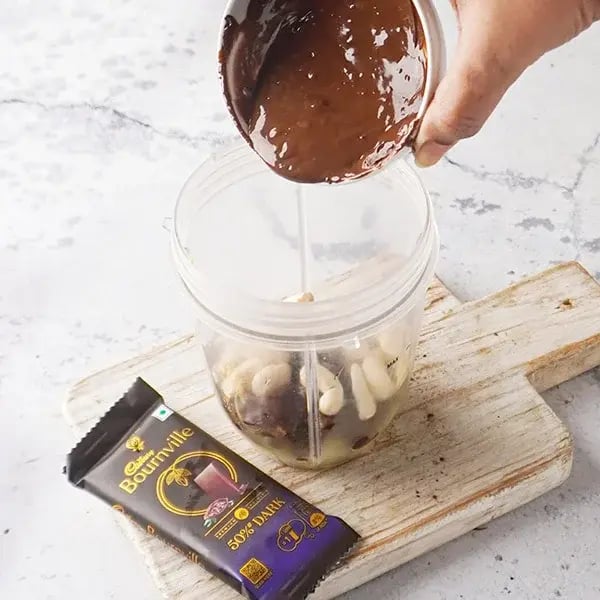
Serve Or Chill
You can serve the chocolate avocado mousse right away at room temperature for a softer, more fluid texture, or you can chill it for at least an hour for a firmer, more traditional mousse texture. Chilling also makes the flavors stronger because the chocolate and date flavors mix better. Spoon or pipe into separate serving glasses and add the garnish right before serving.
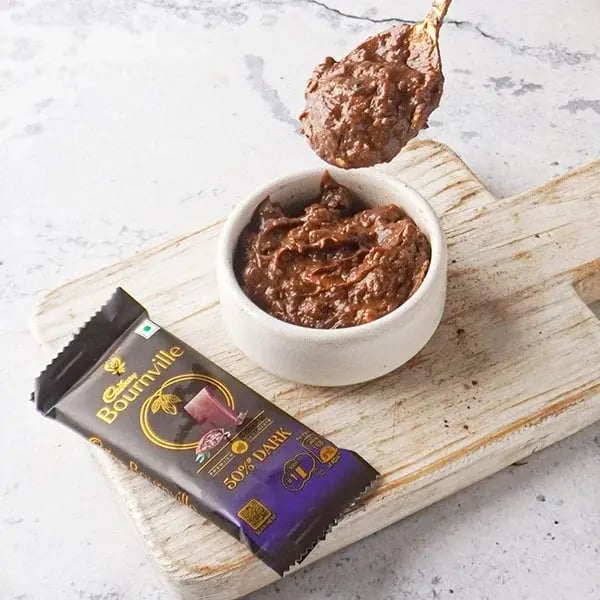
Why Avocado Works So Well In Chocolate Mousse
Avocado works as a cream substitute in chocolate mousse, not just because it is creamy (many foods are creamy), but also because its fat profile works well with the cocoa butter in dark chocolate. The monounsaturated fat in avocado doesn't give the dish the dairy tang that cream does. Instead, the dark chocolate is the main flavor, not a secondary flavor that competes with the dairy richness. When blended, a properly ripe avocado has a neutral taste, meaning it doesn't add any flavor of its own when it's fully processed. This means that the cocoa flavor of the Bournville comes through fully and directly, without any interference from the avocado. Avocado can also replace both butter and cream at the same time. The fat gives it richness, the water keeps it moist, and the natural emulsifiers in avocado keep the mixture together rather than breaking it up.
Chocolate Mousse vs Avocado Mousse – What’s The Difference?
A classic chocolate mousse starts with a ganache base, which is melted chocolate mixed with cream. Then, whipped cream or egg whites are added to make the mousse light and airy. It has a lot of saturated fat from the cocoa butter and dairy cream, and most classic recipes call for eggs. Avocado mousse replaces all of these things—cream, butter, and eggs—with one plant-based ingredient that has the same amount of fat, natural sweetness, and blendable creaminess as the others, but without animal products. The texture difference is the most obvious one right away: traditional chocolate mousse is lighter, airier, and more foam-like, while avocado chocolate mousse is thicker, more pudding-like, and richer per spoonful. People who don't like the airy lightness of a classic mousse recipe as much as a denser one often choose the avocado version.
Is Avocado Chocolate Mousse Healthy?
The nutritional value of an avocado chocolate mousse made with these ingredients is very different from that of a mousse made with cream. Avocados are good for your heart because they contain healthy fats, mostly oleic acid, which is the same monounsaturated fat found in olive oil. They also keep you full for a long time after eating just one serving. The fiber in the dates slows down the absorption of the sugars they contain, which makes the blood sugar response to the natural sugars in the dates less harsh than the refined sugar used in most mousse recipes. The finished avocado dessert has a lot more fiber than any cream-based dessert. This is because of the avocado flesh and the date paste. The fiber helps with digestion and makes you feel full. This recipe makes a truly complete dessert for vegans, with no ingredients that go against the principles of plant-based eating.
How to Get a Smooth and Creamy Avocado Mousse Texture
To get an avocado mousse that really has a smooth, cream-like texture, you need to make three choices when preparing it that most short recipes don't explain well enough. A fully ripe avocado is necessary. An avocado that gives way completely to pressure with no hard spots has the right fat profile for a smooth blend. An avocado that isn't ripe yet has fibrous, starchy flesh that can't be fully smoothed out, no matter how much you blend it. The second factor is how well you blend the ingredients. If you blend the avocado by itself for 30 seconds before adding anything else, the processor can fully process the base before adding the denser date and cashew components. To keep the fat balance that makes a mousse thick enough to set but smooth enough to be pleasant, you need to be careful about how much of each ingredient you use. You can't use more than 80 grams of chocolate or fewer than 50 grams of cashews.
Dark Chocolate Avocado Mousse – Why It Tastes Better
Using Bournville dark chocolate with 45–50% cocoa in an avocado mousse makes it taste very different from the same recipe made with only milk chocolate or cocoa powder—the bitterness of dark chocolate balances out the avocado flavor. When you blend a fully ripe avocado, its taste is almost neutral, but it has a very faint buttery undertone that milk chocolate's sweetness can make stand out. The cocoa intensity of Bournville actively counters this by changing the taste of the cocoa to a bitter-sweet one, which complements the avocado base's fat profile. The finished dark chocolate avocado mousse is less sweet overall, which lets the complex flavors of dates and cashews come through as background notes instead of being hidden by sugar. This makes the dish taste more complex and sophisticated than a sweeter version that takes the same amount of work.
Pro Tips For Perfect Avocado Chocolate Mousse
Avoid Unripe Avocado
Don't use unripe avocado; this is the most important quality choice you can make when making avocado chocolate mousse. An avocado that isn't ripe yet has starch compounds that don't mix well and make a fibrous, slightly bitter result that no amount of chocolate can completely hide. Buying avocados two to three days before you plan to use them and letting them ripen at room temperature will make sure that the flesh is at the right stage of development: soft all the way through, giving way to thumb pressure, and with no hard spots around the stone. If you don't have much time, putting unripe avocados in a paper bag with a banana will speed up ripening.
Blend Thoroughly
Blend well; the longer you blend the avocado mousse, the smoother it will be than most recipes call for. If you blend the avocado on its own for 30 seconds before adding the other ingredients, then blend the whole mixture for at least 60 seconds after adding the chocolate, you'll get a smoother result than if you blend everything together at once. Stopping to scrape down the sides of the blender jar twice while blending ensures that no avocado pieces remain at the top of the jar. A high-speed blender makes the smoothest result, but a regular blender can get similar results by blending for longer.
Adjust Sweetness Carefully
The date paste has a deep, caramel-like sweetness that builds up slowly in the mouth instead of hitting you right away like refined sugar. It's better to taste the finished blend before adding more honey or maple syrup and then wait 30 seconds before judging the sweetness level than to taste and add right away. The sweetness of the finished chocolate avocado mousse should balance out the bitterness of the Bournville without one flavor overpowering the other. You can only add one tablespoon of honey to a single batch.
Chill For Better Consistency
The avocado chocolate mousse has a softer, more pourable texture right after blending that makes it look more like a thick smoothie than a mousse. Putting the avocado and cocoa butter in the fridge for at least an hour makes them firm enough to be spoonable and hold their shape in a serving glass. The flavors also get stronger while the food is in the fridge because the chocolate and date parts mix better with the avocado base.
Variations Of Avocado Dessert You Can Try
Avocado Chocolate Pudding
Adding two more tablespoons of melted dark chocolate and cutting the amount of soaked cashews in half makes a thicker, firmer avocado chocolate pudding that sets completely after two hours in the fridge and can be sliced in a springform tin. The result is more like the filling of a baked chocolate tart than a mousse. It works better in a more formal dessert setting where a sliceable preparation is preferred over a spoonable one. A thin layer of melted dark chocolate on top of the set preparation that is allowed to harden completely gives it a professional, shiny look.
Vegan Chocolate Mousse
The avocado chocolate mousse in this recipe is naturally vegan as long as the Bournville chocolate is labeled as dairy-free. No changes are needed. This is the easiest way to answer the call for a plant-based chocolate mousse that really tastes and feels like dessert without any compromises. Guests will know that the dish is vegan just by seeing it served in individual glasses with a coconut cream quenelle on top.
Avocado Smoothie Dessert
Mix the same avocado, date, and cocoa with one cup of full-fat oat milk and three or four ice cubes to make a thick, cold avocado drink that you can drink instead of spooning it. This recipe is more like a meal-replacement smoothie than a dessert, but its strong chocolate flavor and creamy avocado base make it a good sweet treat after a meal when a spoonable dessert isn't possible.
Chocolate Avocado Parfait
To make this parfait-style avocado dessert, layer the avocado mousse in a clear glass with alternating layers of crushed digestive biscuit crumbs and fresh mixed berries. This adds texture and acidity to the smooth, rich mousse base. The biscuit layers soak up moisture from the mousse and get a little softer during a 20-minute refrigeration period. This creates a layer that is softer than freshly crushed crumbs but firmer than the mousse itself.
Creative Serving & Garnishing Ideas
Nuts And Seeds
A tablespoon of roughly chopped toasted almonds or hazelnuts on top of the set chocolate avocado mousse gives it a dry, nutty crunch that is different from the thick, smooth base. Toasting the nuts before using them makes their flavor much stronger. Raw nuts in a cold mousse context taste bland and a little green, while toasted nuts have a roasted depth that goes well with the cocoa note of the Bournville throughout the preparation. Adding a few pumpkin seeds to the nuts makes them look different and gives them a nutritional boost.
Berries
Two or three raspberries or halved strawberries on top of the mousse right before serving add a tart, sour flavor that cuts through the richness of the avocado chocolate mousse in a way that a plain garnish can't. The berries' natural acidity makes the dark chocolate flavor taste cleaner and clearer when you eat them together. Instead of putting the fresh berries on the mousse before serving, do it right before serving. If they sit on the mousse for more than 15 minutes, their moisture will seep into the mousse.
Chocolate Shavings
If you press a vegetable peeler against the flat side of a cold piece of dark chocolate, it will make thin, curling shavings that settle on the mousse surface in a very interesting way. As the shavings melt a little bit against the cold mousse surface, they release more cocoa flavor. A fine-mesh sieve can be used to sprinkle a thin layer of natural cocoa powder over the shavings. This creates a two-tone dark surface that immediately shows off the chocolate flavor of the avocado dessert.
Layered Dessert Jars
Putting the mousse in 150-milliliter mason jars with a bottom layer of crushed digestive biscuit, a middle layer of chocolate avocado mousse, and a top layer of mixed berry pieces and shaved dark chocolate makes a self-contained, visually layered dish that is great for giving as a gift or serving at a party. The jar shape also keeps the mousse surface from picking up smells from the fridge when it is stored for a long time. Sealing the jars and putting them in the fridge for two hours before serving makes the mousse the right consistency without any extra work needed at the time of serving.
Common Mistakes To Avoid While Making Avocado Mousse
Using An Unripe Avocado
An avocado that hasn't fully ripened yet—will make a fibrous, slightly bitter avocado mousse that won't blend completely, no matter how long the blender runs. The thumb-pressure test is the only reliable way to tell if a fruit is ripe because the skin color varies by type. A fully ripe avocado gives way to gentle pressure all over its surface, with no resistance at any point. If you try to fix the graininess of an under-ripe avocado mousse by blending it longer, it won't work because the starch structure doesn't break down any more than it did when it was first made.
Overpowering Avocado Taste
The taste of avocado is too strong. When blended, a properly ripe avocado has almost no flavor at all. But if you use less than 60 grams of Bournville chocolate per two avocados, the avocado's subtle buttery undertone will show up in the finished chocolate avocado mousse as a background note that some people find strange. Keeping the chocolate at the full 80 grams specified makes sure that the cocoa flavor is strong enough to completely define the character of the dish. Adding cocoa powder to the chocolate is a good way to make sure that the flavor stays strong in batches where the avocado has a stronger flavor than usual.
Improper Blending
When you mix all the ingredients together in one long run instead of in stages—first the avocado, then the dates and cashews, and finally the chocolate—the mousse will have lumps and an uneven texture because the denser date paste and cashew pieces are not evenly spread throughout the avocado base. The purpose of each stage of blending is to make the current mixture as smooth as possible before adding a thicker or more complicated ingredient. Not using the staged method always leads to a worse result, no matter how good the blender is.
Too Thick Or Too Thin Consistency
The finished avocado mousse should pour slowly from a spoon in a thick, steady stream that is thicker than cream but not as firm as a set mousse. If the mixture is too thick, it could mean that the dates or cashews didn't soak long enough or that there wasn't enough avocado compared to the other ingredients. If the avocado is too thin, it means it is overripe or very watery, or that too much honey was added without tasting it first. It's easier to stop both problems than to fix them. Following the soaking times and measuring the avocado flesh after taking out the stone gives the same results every time.
How To Store Avocado Chocolate Mousse
Chocolate avocado mousse is more sensitive to how it is stored than a cream-based dessert because the flesh of the avocado turns brown when it is exposed to air, which is not very appealing to the eye even if the taste is not affected. The best way to keep the mousse from changing color while it's in the fridge is to cover the surface with plastic wrap that is pressed right against it. This completely eliminates the air gap. If you store the avocado dessert preparation this way, it will stay good for up to two days in the fridge. After two days, the cocoa butter and date flavors fade and the avocado flavor gets stronger. The texture also gets a little firmer than when it was first made. Don't freeze it. When the avocado flesh freezes, it releases water that separates from the mousse's fat matrix. This makes the texture grainy and separated after thawing, which can't be fixed by re-blending.
FAQs About Chocolate Avocado Mousse
Does avocado change the taste of chocolate mousse? 
When blended well, a fully ripe avocado doesn't add much flavor of its own. The dark chocolate is the main flavor in a well-made avocado chocolate mousse, followed by the sweetness of the dates. The avocado adds texture rather than flavor, making the dish creamy like cream or egg yolks do in a traditional recipe.
Can I make avocado mousse without chocolate?
Yes, if you replace the Bournville with two more tablespoons of natural cocoa powder and add 12 more dates, the avocado mousse will have a stronger cocoa flavor without the cocoa butter richness of the melted chocolate. The texture is a little less tight than the chocolate one.
Is this the same as avocado pudding?
The main difference is how they feel and how they're made. Avocado pudding is usually easier to make. You just blend avocado, cocoa powder, and sweetener together to make a thick pudding-like texture. Soaked cashews and chocolate emulsification, on the other hand, add a smooth texture. If you use all the ingredients in the chocolate avocado mousse, you'll get a more refined, smoother, and richer result.
How long does avocado mousse last in the fridge?
If you wrap avocado chocolate mousse tightly in plastic wrap and press it against the surface, it will stay fresh for up to two days. If the plastic wrap doesn't touch the mousse directly, the avocado will start to change color on the surface that is exposed within a few hours.
Can I freeze avocado chocolate mousse?
Don't freeze it. When you freeze avocado flesh, it releases water that separates from the fat matrix of the avocado mousse. When you thaw it, the preparation will be grainy and separated. The best way to keep quality is to make small amounts and eat them within two days.
Like This Recipe?

Thank you for rating the recipe!
Recipe by Categories
Popular Articles
Sweet Celebrations Effortless Office Party ...

Monsoon Chocolate Cravings Explained: Why ...
3 mins
Jun 15, 2026

Handcrafted Luxury: Step-by-Step DIY Chocolate ...
3 mins
Jun 14, 2026

Artisanal Festival Treats: Curated Premium ...
3 mins
Jun 18, 2026

Unique Festive Confections: Custom And ...
3 mins
Jun 21, 2026
Recommended Recipes