












Elevate your desserts with compote (chunky fruit) and coulis (smooth sauce). These simple, classy additions add texture and flavor to any sweet spread.

Both compote and coulis sound like a subtle touch of French luxury to the dessert table. While they are not a part of the regular dessert vocabulary, both the delicacies bring in a sweet, tarty, fruity note to please the taste buds. The easiest way to define compote is focusing on its chunky, textured, fruity appearance, while coulis is a strained, smooth, fruity sauce served with desserts. Known for their versatile, intense, and natural taste, these are often used to enhance the beauty and decadence of regular desserts.
Compote Vs Coulis: The Main Differences At A Glance
The main difference between coulis and compote lies in their texture and how they are prepared. While coulis is made by blending the fruit vigorously to form a smooth sauce, compote is treasured for its chunky, fruity, pulpy texture. To make coulis, one needs to blend and strain the mixture, while making compote involves simmering fruits in syrup until they soften but still remain chunky.
Certain differences lie in their usage as well. Coulis, owing to its smooth, pourable texture, is ideal for garnishing plates and drizzling over desserts. Compote, on the other hand, is often served as a fruity topping for yogurt and pancakes.
What is Compote?
A compote is a fruit preparation used in pastry and baking that is created by simmering fruit in sugar syrup. Usually, the fruit is chopped into small pieces and cooked with sugar, water, and occasionally additional seasonings like orange zest, cinnamon, or vanilla. The aim is to produce a thickened syrup, soften the fruit, and infuse it with sweet flavours.
A wide variety of fruits, such as berries, apples, peaches, plums, and stone fruits, can be used to make compotes. The resulting mixture can be served as a topping for desserts like ice cream or yoghurt, or it can be used as a filling for cakes, tarts, and pastries. Compotes enhance a range of baked goods with sweetness, moisture, and a fruity flavour burst.
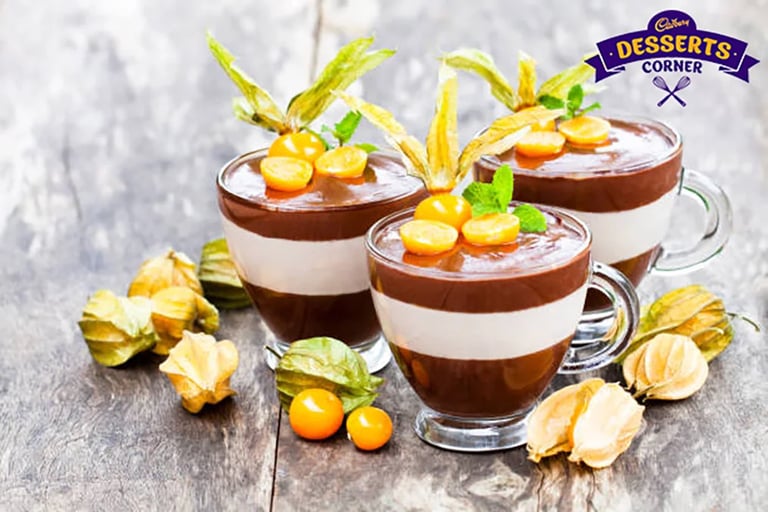
Compotes are frequently used in bakeries as a layer in cakes or as a filling for pies, turnovers, and danishes. They can also be swirled or added as a topping to muffins and other baked goods. Compotes are a popular option for adding a fruity element to a variety of baked goods because of their versatility.
What is Coulis?
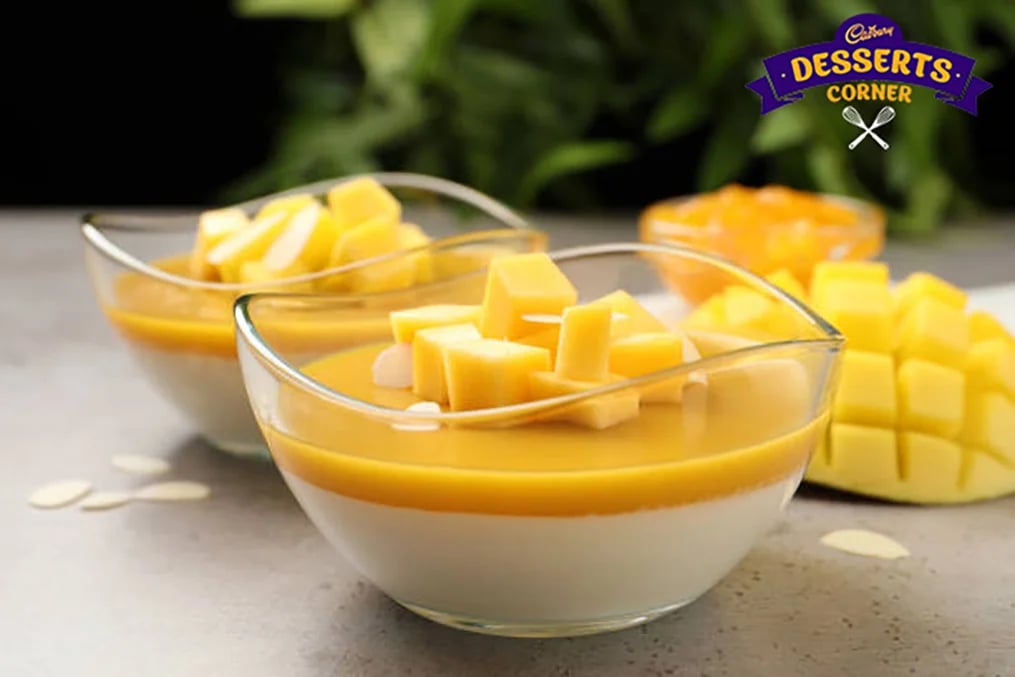
A sauce made from pureed fruits or vegetables is called a coulis. Fruit coulis is more often used in baking and dessert recipes. Usually, this sauce is used to flavour, colour, and garnish a variety of foods, such as ice cream, cakes, pastries, and plated desserts.
In order to create a fruit coulis, fresh or cooked fruits are blended or puréed and sometimes sweetened with sugar or other ingredients until a smooth, pourable consistency is reached. Fruit selection for a coulis can vary depending on taste preferences and the desired flavour profile for a given dish. Berries (strawberries, raspberries, blueberries), mangoes, passion fruit, and citrus fruits are frequently used to make coulis.
When to Use Which: A Guide for Bakers
Compote: Best For Breakfast And Rustic Desserts
Compotes give any baked treats a delectable fruity twist. With their large chunks of fruit, they are frequently used as breakfast pie fillings or as a filler for turnovers. They give the baked goods moisture, sweetness, and a fruit component.
To add a fruity touch to a soft, spongy cake, place compote between cake layers. This is particularly well-liked when used with layered tortes or sponge cakes. Moreover, they can be used for garnishing pastries like croissants or danishes.
Coulis: Best For Plating And Drizzles
Coulis, with its smooth, pourable consistency, is often considered best for saucy drizzles over cheesecakes, cakes, and pastries. Pastry chefs often go for coulis to decorate dessert plates with patterns. Moreover, they also add a splash of colour to the desserts.
How To Make Compote: Step-By-Step Guide
Step 1: To make the fruity compote, start by washing, pitting, and chopping the fruits like berries, peaches, or apples into bite-sized pieces.
Step 2: Next, place the washed and chopped fruits in a saucepan with some sugar and some citrus juice.
Step 3: Let it come to a simmer and continue cooking over a medium heat until it starts bubbling and the fruit starts breaking down.
Step 4: Let the fruity liquid reach a jam-like thick consistency. One can slightly mash the fruits with a cornstarch slurry. Make sure the fruits are still chunky.
Step 5: Once done, remove the saucepan from the heat. Add some lemon juice, vanilla essence, or fresh herbs.
Step 6: Let it cool. Place it in an airtight container and refrigerate it.
How To Make Coulis: Step-By-Step Guide

Step 1: Start by combining the fruit, sugar, and any citrusy juice (lemon juice or orange juice) in a saucepan.
Step 2: Heat the mixture over medium heat. Keep it sitting intermittently until the fruit softens.
Step 3: Next, place the cooked fruit mixture into a blender and process it into a smooth puree.
Step 4: Strain the fruit puree through a fine-mesh sieve over a bowl to achieve maximum smoothness. Make sure the fruit skins and seeds are left behind.
Step 5: Use a spatula or the back of a spoon to press the sauce through, leaving the seeds and skins behind.
Step 6: Let it cool completely before serving.
Frequently Asked Questions
Is coulis cooked? 
Coulis can be both raw and lightly cooked. It varies from recipe to recipe. While most of the recipes include mild simmering, some coulis (berry-based ones), can be made raw as well.
Can I turn compote into coulis?
Yes, compote can be turned into coulis easily. To do that, simply blend the cooled compote into a smooth mixture and strain it through a fine-mesh sieve.
Compote vs Coulis: Which one is sweeter?
While both the fruity delights are sweet to some extent, sometimes they vary in taste as well. While coulis tastes a bit tarty and intense, compote is all about a bit sweeter due to the sugary syrup.
Like This Article?
More Like This




Popular Articles


Trending Web Stories


Curated Recipes