





Discover sweet buns, breads around the world, and desserts around the world, from buttery brioche and soft milk bread to festive treats that celebrate culture, tradition, and comfort in every bite.

Introduction to Sweet Buns and Their Cultural Significance
It is said that buns, especially the sweet ones, have a link to the arrival of spring. Sweet buns are a special festival and comfort foods globally. They are soft and have a fluffy texture. They are slightly sweet but the sweetness is not overpowering. Sweet buns have been made from whole bread and are considered as traditional breads and religious staple since time immemorial. These buns have great shelf life and one can bake them easily at home. So here are some Special sweets in the sweet bun family.
Popular Sweet Buns Around the World
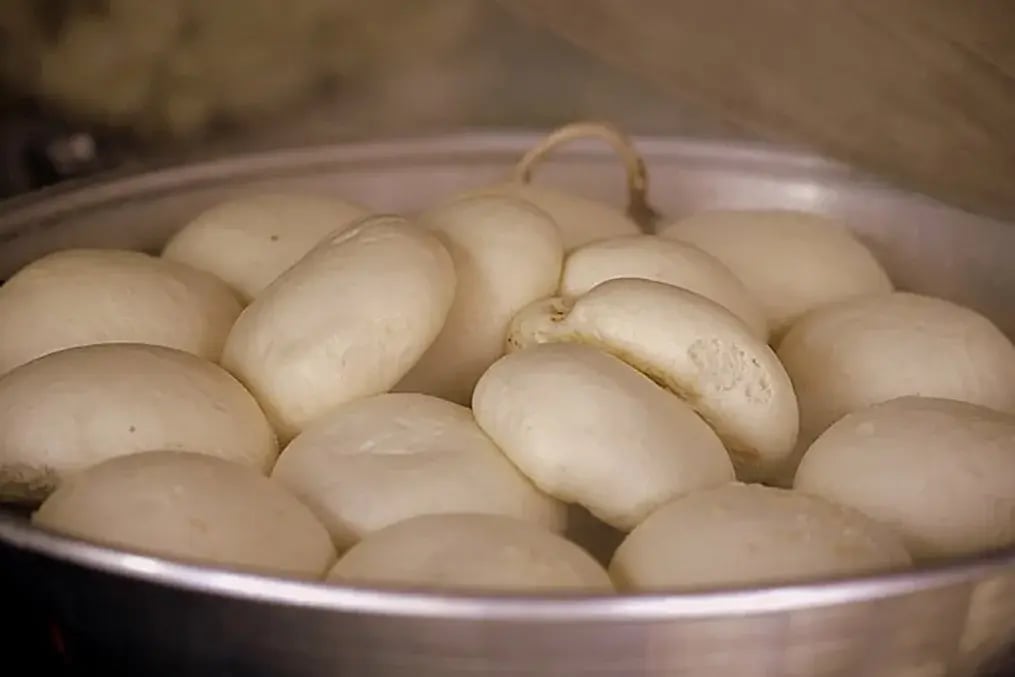
Mantou (China – Steamed Sweet Buns)
This Chinese sweet bun is steamed and pure white. It has a soft and fluffy texture. It dates back to the Zhou Dynasty (1046-771 BC), which ruled east China. You can pair these buns with savoury dishes like dishes like braised pork belly, curries, or stir-fries. They can also be eaten as a sweet dessert because they are slightly sweeter than normal bread. They are popularly split open and drizzled with condensed milk, or sometimes eaten with butter and sugar
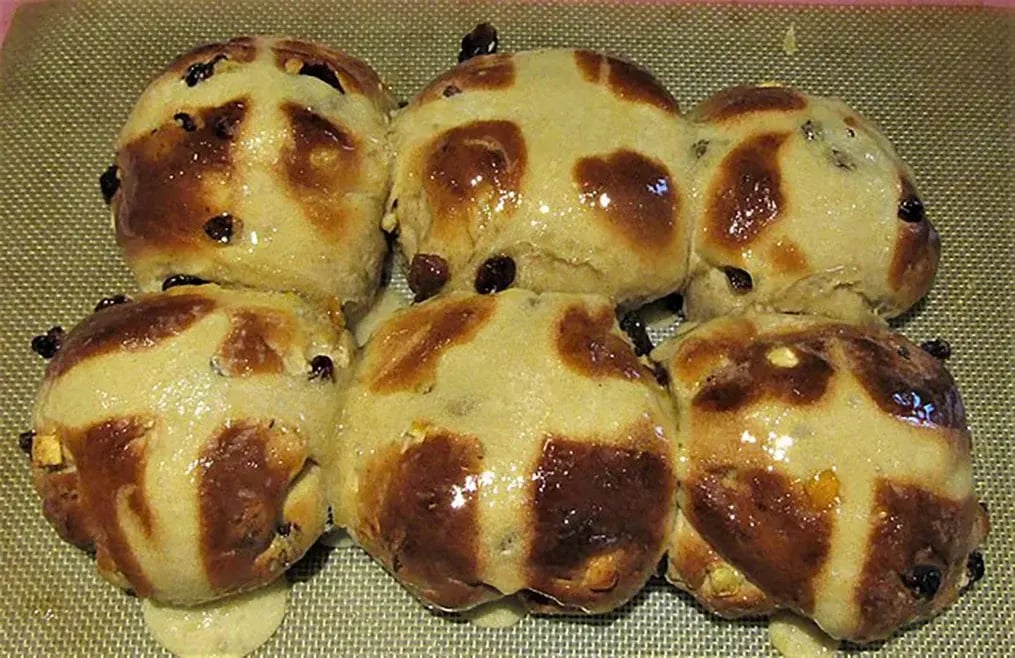
Hot Cross Buns (UK – Easter Classic)
These English sweet buns are popular during Lent and Good Friday celebrations and there is also a Christian folklore surrounding this bun. These buns are sometimes spiced with dried fruits. ‘Hot cross buns’ name comes from the symbolic cross marking (crucifixion of Christ) on top of each bun. These are strong in demand due to their seasonal nature and you will find them around during Christmas and Easter celebrations in England too.
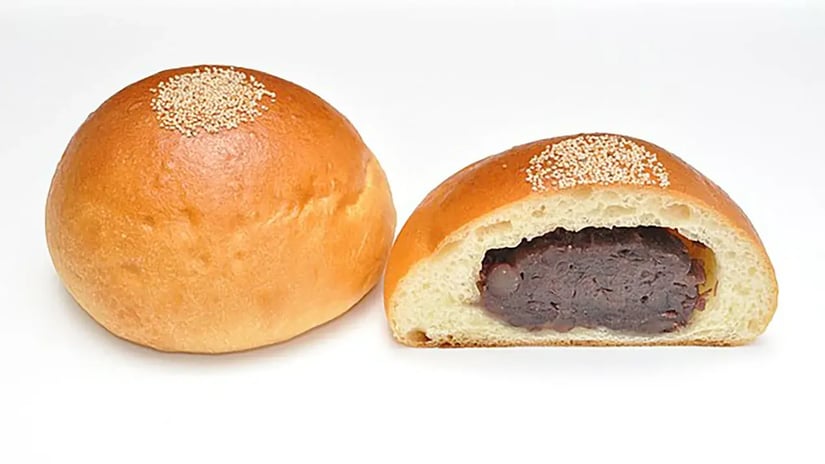
Anpan (Japan – Red Bean Sweet Bread)
For the Japanese, anpan is a sweet roll filled with beloved azuki paste, or red bean paste. Anpan can also be prepared with other fillings, including white beans, green beans, sesame, and chestnuts. This is a bakery staple in Japan. Interestingly a former samurai, Yasubei Kimura, who happened to be a skilled baker, invented the Anpan and he opened one of Japan's first bakeries, Buneidou, in 1869, which is still being run by his descendants, renamed to Kimuraya. Today this sweet bun has become a staple of Japanese bakeries in the modern world.
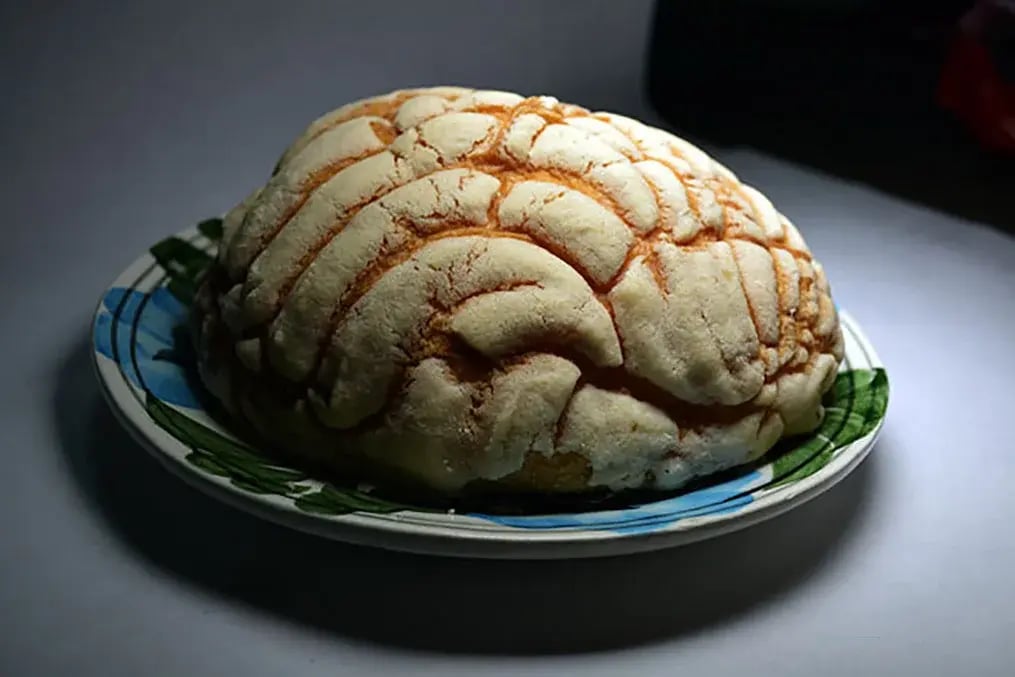
Conchas (Mexico – Iconic Sweet Bread)
These are a type of Mexican sweet bread. They are ornate-looking sweet buns whose name comes from the Spanish word that means shells. They have a ridge-like pattern on the bread’s surface which makes them look like a shell. You can find this bread being baked during most Mexican holidays, notably during the Día de (los) Muertos (Day of the Dead). The crust of the bread is soft and moist. When the shell cracks a beautiful pattern appears. These buns are made from sugar, butter and flour.
Pan de Coco (Philippines & Latin Influence)
This sweet bun is from Honduras. It means coconut bread (pan: bread, coco: coconut). These coconut buns arrived in the Philippines due to Spanish colonial influence. And since coconuts also grow in abundance in the Philippines, these buns have become a bakery staple. They are baked till golden brown outside and filled with coconut on the inside. The Filipino version has a slightly caramelised flavor.
Krachel (Morocco – Spiced Sweet Rolls)
Krachel comes from Morocco. They are flavored with fennel and anise topped with sesame seeds. They are similar to France’s brioche, but these use spices and a lot less butter and can be eaten with jam, sugar or honey. The sesame seeds are said to be flavored with orange blossom water making this sweet bun truly Middle Eastern in its flavors. This name changes, as you move from one region of the country to the other, going by Qrashel, Krach, in the northern areas, or krachet, in the south.
Jjinppang (Korea – Steamed Filled Buns)
This is another steamed bun that is filled with a sweet red bean paste like Anpan, however Jjinppang is made from sourdough! It comes from South Korea. It has a soft and chewy texture. These are fermented using the yeast in makgeolli, but younger varieties such as hoppang are often made without fermentation.
Soft Milk Breads and Asian Sweet Buns
Soft milk breads are popular in Asia because of their nutritional value and affordability. They have become a staple in Asian households. They are popular especially among children and elderly because these buns are sweet and soft in texture.
Japanese Milk Bread (Shokupan)
Shokupan is Japanese milk bread that is famous for its cloud-like softness and delicate sweetness. Their ultra soft texture and slightly sweet flavour comes from the Yudane method of baking (Japanese bread-baking technique that involves pre-cooking a portion of flour with boiling water to gelatinize the starches). It is commonly enjoyed toasted with butter and jam or used for sandwiches and desserts.
Hokkaido Milk Bread
Hokkaido milk bread is a richer variation of Japanese milk bread. It is known for its pillowy crumb and buttery flavor. Its secret is the Tangzhong method, which creates an exceptionally moist crumb and helps the bread stay fresh longer.
Tangzhong Milk Bread Technique
In this method a small portion of flour and liquid is cooked into a thick paste before being added to the dough. The pre-cooked flour paste improves softness and shelf life. This technique also creates a softer crumb, keeps bread moist longer and improves dough elasticity and rise.
French Sweet Breads and European Classics
European classics are inspired from Scandinavian cardamom buns, German sweet rolls, and Italian festive breads are often linked to holidays and local traditions. These breads typically balance subtle sweetness with enriched doughs containing butter, eggs, or milk.
Brioche Bun (France)
Brioche bun is rich and buttery bread coming from France. They are slightly sweet and used in both desserts and savory dishes. It is popular because of its versatile, easy to make nature.
Other European Sweet Buns
There are many regional variations of European sweet buns like Kanelbullar from Sweden which you can enjoy with cinnamon-filled buns enjoyed with coffee. Panettone originated from Italy is a common festive Christmas bread infused with dried fruit. Stollen bread is a rich holiday loaf coming from Germany that is also filled with nuts and fruit.
Why Sweet Buns Are Popular Worldwide
What do these sweet buns have in common? They are all from different regions in the world, yes but there are also other benefits and reasons as to why these sweet buns are popular worldwide.
- They are easy to make with basic pantry ingredients.
- They have a long shelf life and stay soft for several days.
- They are versatile in nature. They can work as breakfast, snacks, desserts, or even savory sandwiches.
Can You Make Sweet Buns at Home?
After reading about such rich and delicious sweet buns, one might be wondering how to make these at home? Homemade sweet buns are very achievable, even for beginner bakers!
Basic ingredients:
- Flour
- Yeast
- Milk
- Sugar
Tips:
- Make sure to properly knead the dough, smooth dough develops better structure.
- Be patient with the proofing time, allow your dough to be doubled in size.
- Bake at the right temperature. Too hot can dry the buns, while too low may make them dense.
Occasions and Festivals Where Sweet Buns Are Served
Sweet buns are closely tied to celebrations around the world for example on easter, Hot cross buns are baked in the UK, and during christmas, european breads like pannatonne and stollen are popular. In asian cultures these sweet buns are gifted among friends and family as a kind gesture and during festivals.
Conclusion: A Global Journey Through Soft and Fluffy Sweet Breads
Sweet breads come from cultures all around the world. From French brioche and joyful European buns to Japanese milk bread and Hokkaido loaves. Whether made at home or consumed fresh from a bakery, their soft texture, cozy flavor, and adaptability make them popular comfort meals.
FAQs on Sweet Buns Around the World
What are sweet buns? 
Sweet buns are soft breads made with enriched doughs containing sugar, milk, butter, or eggs. They may be plain or filled with sweet ingredients like jam, custard, or chocolate.
What is the difference between brioche and milk bread?
Brioche is richer and more buttery, with a slightly denser texture, while milk bread is lighter, fluffier, and milder in sweetness. Milk bread often uses techniques like tangzhong for extra softness.
Which country has the best sweet buns?
There is no single winner – France is famous for brioche, Japan for milk bread, Scandinavia for cardamom buns, and many cultures have beloved sweet bread traditions.
Can sweet buns be made at home?
Absolutely. With flour, yeast, milk, sugar, and a little time for kneading and proofing, you can make soft homemade sweet buns in your own kitchen.
Like This Article?
More Like This


Popular Articles


Trending Web Stories


Curated Recipes