

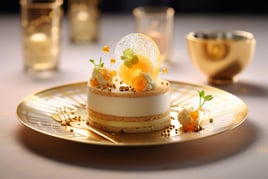
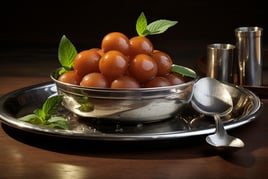
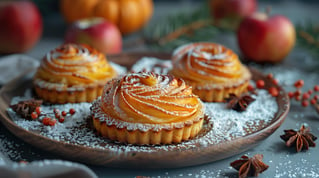
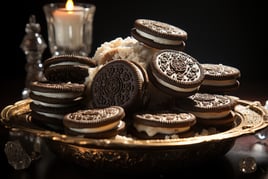




Venezuelan desserts are warm and comforting, and the country sure knows how to celebrate its local flavors, a blend of colonial influences and a dash of diversity that boasts a richness of the local ingredients.
The desserts in Venezuela combine New World and Old World culinary elements, prepared with an abundance of passion. It is this interesting combination of ingredients that is typical of Latin America, Europe, and Africa and distinguishes Venezuelan desserts from others. Each of these desserts has its own history, its geographic origin, the time and celebration in which it is made and eaten. Extravagance is not expected of Venezuelans; instead, simplicity, modesty, and creativity in preparing a treat with simple ingredients have come to prevail over time.
Golfeados (Venezuelan Sweet Rolls with Cheese)
Golfeados are considered cousins of cinnamon rolls due to their spiral shape. The dessert can be considered the country's variation of a roll consisting of soft dough and filled with "panela" and cheese. Unlike their distant relatives, these rolls have anise. Golfeados come from Caracas, the capital of Venezuela, and were invented by bakers Genaro and María Duarte. These sweets can be found in the country's bakery shops and on the streets.
Quesillo (Venezuelan Flan Dessert)
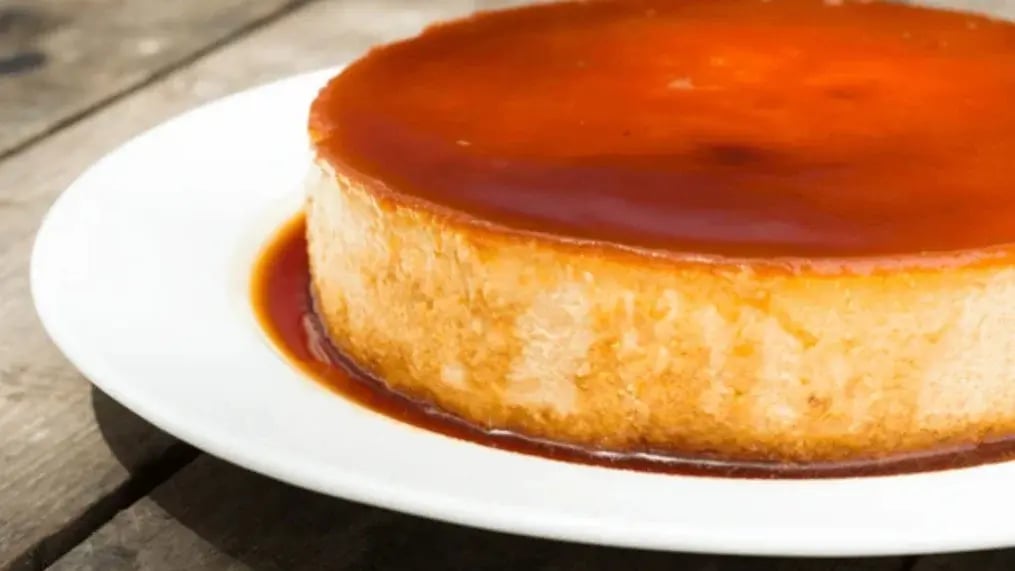
This dessert is a Venezuelan variety of Spanish flan and is often known as "flan de queso". Quesillo is often included in birthday parties and celebrations in Venezuela. Quesillo is of European origin and originates in the Canary Islands, where it is called "flan de huevo". Quesillo is made of milk, egg yolk, and sugar. The traditional way of preparing this dessert involves boiling caramel in a pan, pouring it into the mold, and waiting for it to cool before adding the cheese filling. Just as New York-style cheesecakes, it is baked in a bain-marie using the water oven method.
Negro en Camisa (Chocolate Cake with Custard)
The dessert has a racist name, translated as "black in a shirt", which is, basically, the Venezuelan version of brownies. In essence, negro en camisa is a soft, velvety chocolate cake with sweetened condensed milk or vanilla cream poured over it. Because it is popular in Caracas, little is known about its history. Nevertheless, negro en camisa was allegedly introduced to the country by migrants and became the best adaptation of local chocolate-based desserts.
Majarete (Coconut Corn Dessert)
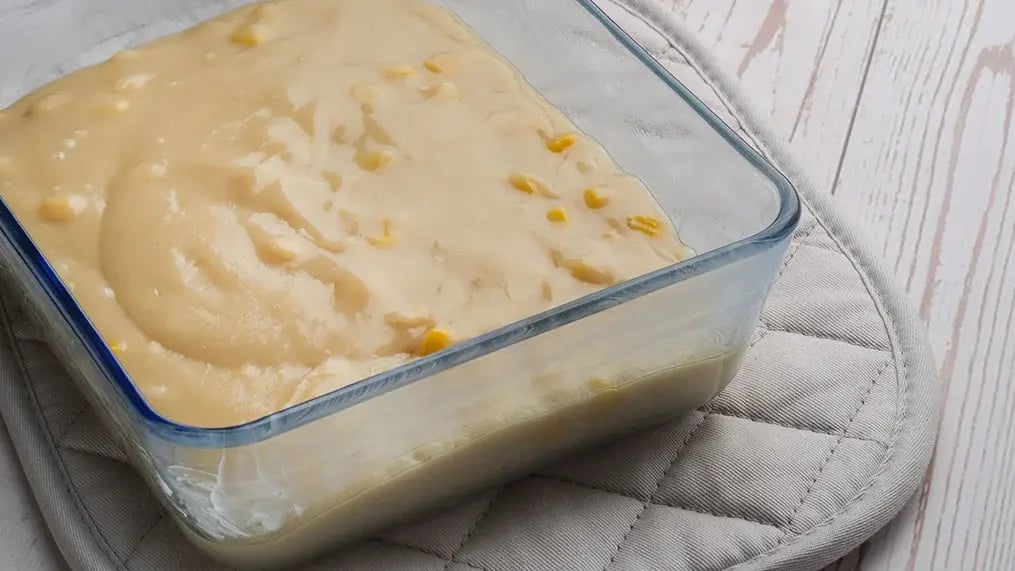
Majarete is a popular Venezuelan dessert consumed in Easter and associated with the country's unique culture. It consists of corn flour and coconut, spiced with cinnamon, cloves, and lemon, and flavored with panela, a type of brown sugar. Due to its historical background, majarete does not look complicated. This dessert has a rustic feel to it and does not require any decorations.
Bienmesabe (Coconut Cream Layered Cake)
Bienmesabe means "it tastes good for me". Bienmesabe is a cake made with layers of grated coconut, condensed milk, eggs, and citrus peel. This cake sponge usually gets soaked in a spirit, either rum, cognac, or wine, before getting filled with coconut filling. Some believe this dessert dates back to the colonial period, when the Franciscan nuns improvised on a local coconut cake. Another version tells us about a black woman who created this dessert, which seemed magical enough to cure any heartache.
Arroz con Leche (Venezuelan Rice Pudding)
Popular throughout Latin America, it is one of the most recognizable traditional desserts in the region. It can be translated as "rice pudding" and refers to a dessert that uses dulce de leche for its sweetness. Dulce de leche in Venezuela is known as Arequipe and is enjoyed on its own as a dessert. The dessert is also enjoyed in Spain, Mexico, and France. Rice, sugar, and milk are the primary ingredients used to make this dessert.
Catalinas (Spiced Venezuelan Cookies)
Have you ever heard about spongy cookies? These cookies, also known as Paledonia, have an interesting composition, including vanilla, star anise, clove, and cinnamon. They can even have a slight rum flavor. The unique taste of this Venezuelan dessert is achieved thanks to wheat flour, brown sugar, and raw cane sugar. This gives the cookies their brown appearance and unique flavor. Usually round, these cookies are just 1 centimeter thick and perfect for drinking tea or coffee with.
More Traditional Venezuelan Desserts to Explore
Beyond the most famous sweets, Venezuela offers many lesser-known desserts that reflect local ingredients and longstanding family traditions. These authentic Venezuelan desserts continue to be prepared during celebrations, holidays, and everyday gatherings across the country.
Dulce de Lechosa (Papaya Dessert)
The dessert is made of green papaya slowly cooked in a fragrant syrup. It is consumed in Venezuela during Christmas and New Year celebrations.
Buñuelos (Fried Sweet Dough Balls)
They are fried dough balls served with syrup or sugar. It is a festive dessert common in Venezuela and other Latin American countries.
Tres Leches (Latin American Classic Loved in Venezuela)
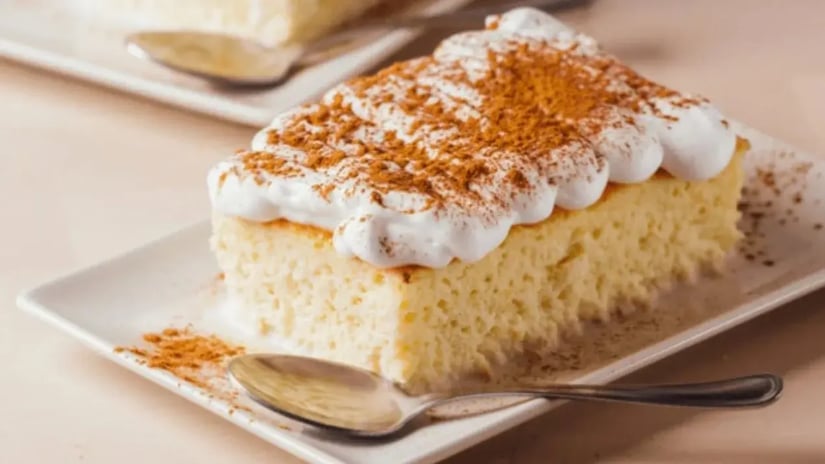
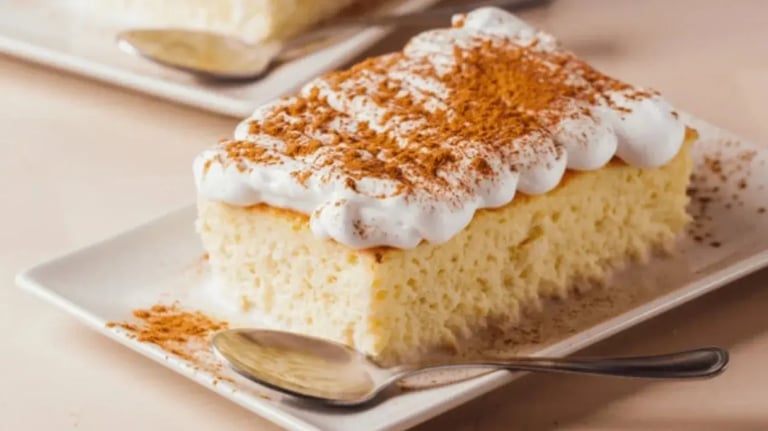
Tres Leches cake is soaked in three types of milk, creating an exceptionally moist texture. Its popularity extends throughout Latin America, including Venezuela.
Easy Venezuelan Dessert Recipes You Can Try at Home
Many Venezuelan desserts use simple pantry ingredients and easy techniques. These beginner-friendly recipes offer an accessible introduction to South American desserts without requiring specialized equipment or advanced baking experience.
Simple Quesillo Recipe (Beginner-Friendly)
All you need to do is mix eggs, condensed milk, vanilla, and caramel in a bowl, then bake in a water bath. Then, allow it to cool, and your dessert is ready!
Easy Arroz con Leche Recipe
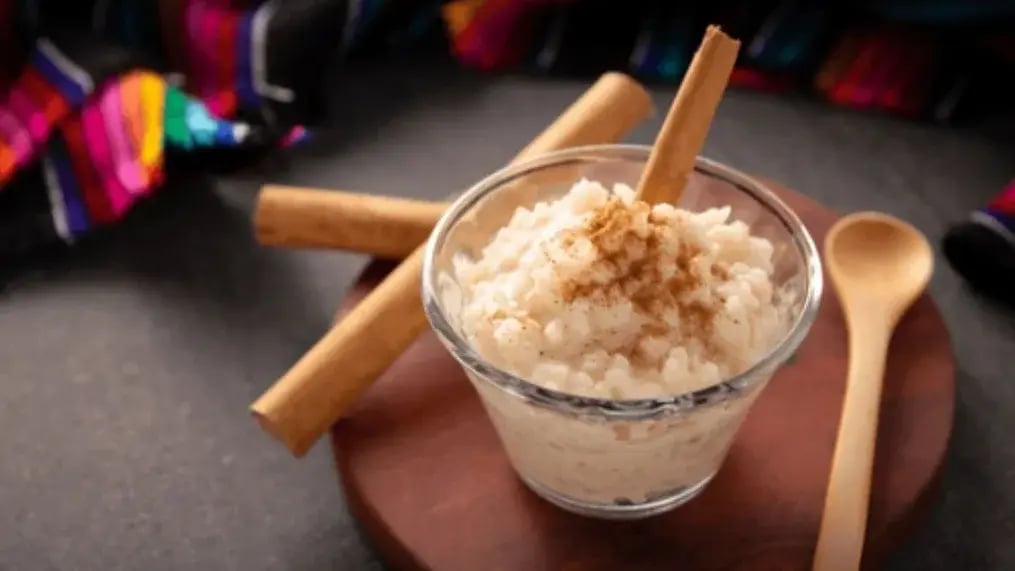
Cook rice slowly with milk, sugar, and cinnamon until creamy. Serve warm or chilled according to preference.
Quick Coconut Ladoo-Style Majarete Variation
Combine coconut, corn flour, and sweetener into a simplified version of majarete. Shape into portions for easy serving and storage.
Venezuelan Desserts vs Other Latin American Desserts
Although there are certain similarities, Venezuelan desserts are unique compared to other desserts of Latin American cuisine.
Ingredient Differences
Venezuelan desserts often highlight coconut, corn, panela, and local fruits. Other Latin American cuisines may rely more heavily on dairy or regional produce.
Flavor Profiles
Many Venezuelan sweets balance sweetness with spices, coconut notes, and caramel flavors. The result feels comforting rather than overwhelmingly sugary.
Cooking Techniques
Traditional methods include slow cooking, water-bath baking, syrup preservation, and layered assembly. These techniques contribute to unique textures and flavors.
Tips for Making Authentic Venezuelan Desserts
Small adjustments to ingredients and techniques can help recreate authentic Venezuelan flavors at home. Focusing on sweetness levels and texture ensures desserts remain true to their traditional character.
Use Panela or Jaggery Alternatives
Panela is the key ingredient of many Venezuelan desserts. Jaggery can replace it if you cannot find it anywhere.
Balance Sweetness
Since Venezuelan desserts use condensed milk, sugar, and many other sweeteners, you should pay attention to the level of sweetness.
Focus on Texture (Creamy vs Dense)
Texture is often as important as flavor. Custards should remain silky, while cakes and puddings should retain their intended consistency.
Conclusion
Venezuelan desserts offer a wonderful blend of comfort, nostalgia, and cultural richness. From creamy quesillo and layered bienmesabe to breakfast-friendly golfeados and traditional majarete, these sweets celebrate simple ingredients transformed into memorable treats. As global interest in South American desserts continues to grow, Venezuelan desserts are gaining well-deserved recognition for their flavor, heritage, and homemade appeal.
FAQs About Venezuelan Desserts
What are the most popular Venezuelan desserts? 
Golfeados, quesillo, negro en camisa, majarete, bienmesabe, arroz con leche, and catalinas are among the most popular Venezuelan desserts.
Are Venezuelan desserts very sweet?
Most Venezuelan desserts are moderately sweet and balanced with ingredients such as coconut, spices, cheese, or caramel for added complexity.
What is a traditional Venezuelan dessert?
Quesillo, majarete, dulce de lechosa, and bienmesabe are considered classic traditional Venezuelan desserts enjoyed across generations.
Can I make Venezuelan desserts at home easily?
Yes. Many recipes use basic ingredients like milk, eggs, rice, coconut, sugar, and corn flour, making them accessible for home cooks.
Like This Article?
More Like This


Popular Articles


Trending Web Stories


Curated Recipes