









A comprehensive guide to testing your baking powder’s freshness, for foolproof baking every time!
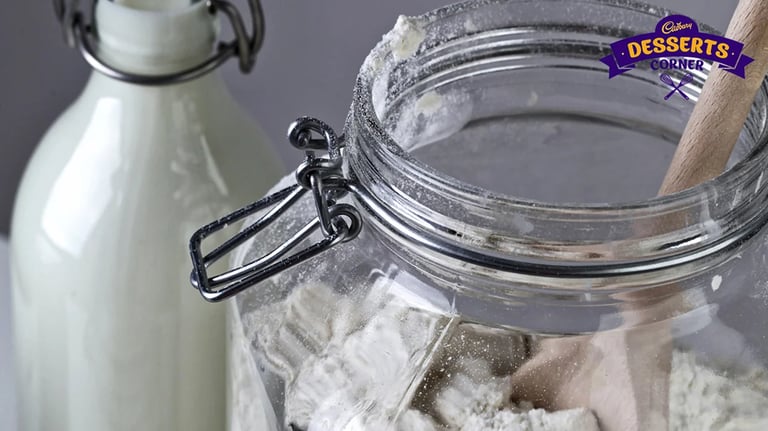
Baking powder is the holy grail of any kitchen. A staple in rendering soft and fluffy shapes and structure to cakes, muffins, and bread, it is simply the most indispensable ingredient. However, baking powder tends to lose its potency, and that can easily cause it to not give the expected results. And so, avoid disappointing outcomes in the kitchen by checking the freshness and authenticity of your baking powder from time to time. Given are the authentic ways that will help you examine the quality of your baking powder and ensure that your cooking outcomes are nothing but perfect.
Understanding the Importance of Fresh Baking Powder
Before delving into freshness testing methods, it's crucial to understand the role of baking powder in baking. Baking powder is a leavening agent composed of an acid (usually cream of tartar) and a base (typically baking soda), with a starch filler to prevent the two from reacting prematurely. When baking powder is combined with moisture and heat, it releases carbon dioxide gas, causing the batter or dough to rise.
Over time, exposure to air and moisture can lead to the breakdown of the acid-base balance in baking powder, rendering it less effective. As a result, it becomes imperative for home bakers to routinely check the freshness of their baking powder to maintain consistent and desirable baking results.
How to Test Baking Powder For Freshness
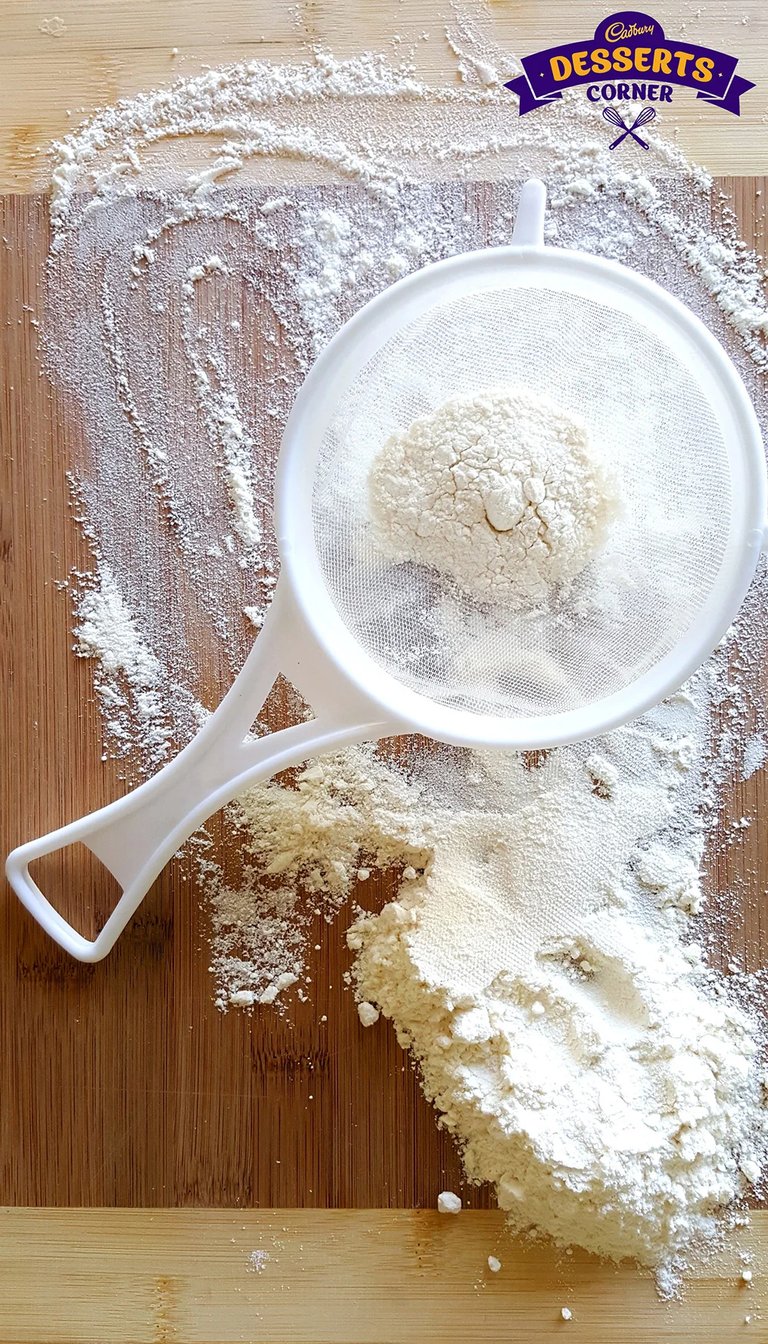
Visual Inspection: The simplest way to gauge the freshness of baking powder is through a visual examination. Fresh baking powder typically has a fine, powdery appearance with a uniform texture and color. If you notice clumps, discoloration, or a gritty texture, it may be a sign that moisture has compromised its quality.
Odor Check: Fresh baking powder should have a neutral odor. If it emits a sour or unpleasant smell, it's an indication that the acid component has deteriorated. Hold the baking powder container close to your nose and take a whiff to assess its scent.
Bubbling Test: This simple at-home test involves mixing a small amount of baking powder with warm water. In a bowl, combine a teaspoon of baking powder with a few tablespoons of warm water. If the mixture fizzes and produces bubbles, the baking powder is still active. No reaction or minimal bubbling suggests a loss of potency.
Vinegar Reaction: Another effective test involves combining baking powder with vinegar. Add a small amount of baking powder to a bowl and pour in a splash of white vinegar. If the mixture produces a vigorous fizz, the baking powder is likely fresh. A weak or no reaction indicates diminished potency.
Hot Water Test: In this method, dissolve a teaspoon of baking powder in a cup of hot water. The rapid fizzing and bubbling indicate that the baking powder is still active. A slow or lackluster reaction suggests a decline in freshness.
Tips for Storing Baking Powder to Maintain Freshness
Ideal Storage Conditions
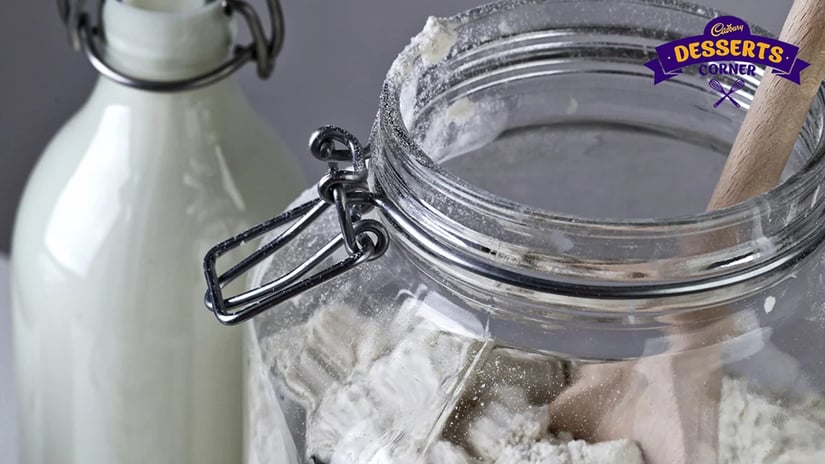
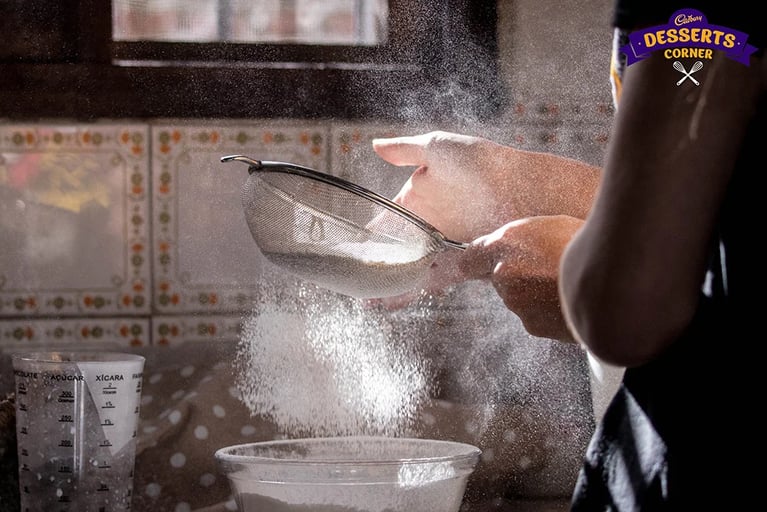
You should try to store baking powder in an airtight container in a cool, dry, and dark pantry, away from heat sources like gas stoves. Keep the lid tightly sealed after every use. Never store in the refrigerator, as the condensation can introduce moisture that may trigger its chemical reaction, which destroys its leavening agent properties.
Signs of Deterioration
Degrading baking powder forms clumps, feels damp, or loses its fine texture due to the absorption of moisture. While fresh baking powder is odorless, stale powder may hint of a faint sour, chemical scent that is caused by the premature chemical breakdown of the powder.
Common Baking Mistakes with Expired Baking Powder
Identifying Baking Failures
Expired baking powder does not produce carbon dioxide gas, which causes structural defects in baking cakes and other desserts. The batter will fail to rise, which would yield dense, heavy textures instead of light, airy ones. Cakes could develop sunken centers or large, uneven air tunnels. Visually, the baked desserts will remain pale due to poor surface expansion, while the taste would be soapy or metallic.
How to Recover
Before baking, perform the baking powder test for freshness by stirring it into warm water. If it doesn't fizz vigorously, discard it. When you can't use the powder, combine baking soda with cream of tartar. Or alternatively, you can whip egg whites and use them to fold air and structure into your batter.
Frequently Asked Questions
How often should I test my baking powder for freshness? 
You should test opened baking powder every 2 to 3 months, or anytime it is close to the expiry date. Always test it immediately if it’s been exposed to humidity, or hasn't been used in several weeks or months.
Can I use expired baking powder?
Technically, yes, you can, as it won't make you sick. However, expired powder loses its potency, which leaves your baked goods flat, dense, gummy, and with an unappealing, metallic aftertaste.
What are alternative uses for expired baking powder?
It can be used as a mild abrasive cleaner. You can use it to scrub sink stains, de-odorize refrigerators, polish tarnished stainless steel, or sprinkle some on carpets before vacuuming to neutralize lingering odors.
Like This Article?
More Like This



Popular Articles


Trending Web Stories


Curated Recipes