




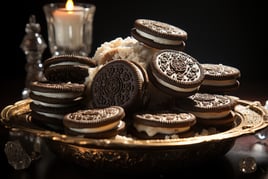


Follow the simple steps below if you want to learn the science and tricks behind keeping the Oreo crust firm and crunchy in icebox cakes.

How to Keep Your Oreo Crust Firm and Crunchy in Icebox Cakes

An American classic, the icebox cake, like its name, is straightforward and requires no baking- just an assembly of layers and refrigeration that makes for a refreshing sweet treat. This dessert is creamy, chilled, and easy to assemble, but there’s one sneaky challenge that comes with it – keeping that crunchy cookie layer from turning into mush. In particular, Oreo-based crusts or toppings can easily lose their signature crunch when layered into or sprinkled on top of an icebox cake, given how whipped cream is used generously in most recipes. So, how do you keep your Oreo layers firm and keep them from turning soggy, even after hours in the fridge? We are here to help!
Why Oreo Layers Go Soft
Oreo cookies (or any cookie base) are made to absorb moisture, which is great in some cases, especially given that this icebox cake is not baked and the whipped cream is quite moist. In traditional icebox cakes, graham crackers or digestive biscuits, whether crumbled or almost biscuit dust, soften into a cake-like texture. But if you’re using Oreos as a crunch topping or a crust, you obviously want the opposite to happen. The challenge? The moment crushed cookies come into contact with whipped cream, fresh fruit, or other moisture-heavy ingredients, they begin to break down. The result is a topping that goes from crispy to soggy in hours – unless you have some tricks up your sleeve.
Use Butter as a Barrier

This is an excellent idea, as the fat from the butter coats the Oreo crumbs, acting as a barrier to water content inside the cake. When chilled, this mixture firms up, helping the crumble stay put in its place, rather than absorbing the surrounding cream and its water content. In the strawberry shortcake crunch topping, the butter is key to preserving texture. Use about 1 tablespoon of butter for every 10 crushed Oreos. You want the crumbs to hold together when pinched but still be crumbly.
Alternatively, use a Layer of Chocolate or Ganache
Spread a thin layer of melted white or dark chocolate over your graham cracker or cookie layer before adding cream. Once it sets, it creates a literal moisture barrier – especially useful for layered Oreo crusts or if you’re adding juicy fruit like strawberries. This trick works especially well in recipes where you’re layering crushed Oreos into the middle of a cake, not just on top. The chocolate layer also adds extra richness and flavor without overpowering the rest of the dessert.
Add Dry Ingredients Like Jell-O Powder
It’s like throwing in the towel when water leaks out. In this case, for the Oreo-strawberry topping, the water content might just be a bit much because of the fresh strawberries. This not only boosts flavor and color – it also absorbs excess moisture, helping maintain crunch. You can also experiment with crushed freeze-dried fruits or dry pudding mixes to help bulk up the crumble without adding moisture.
Top at the Last Minute (or Close To It)

The best defence is timing. Even with a butter coating, eventually, all crunchy toppings will soften if they sit long enough on a creamy surface. So if you want max crunch at serving time, store the topping in an airtight container at room temperature or in the fridge. Make sure to only sprinkle it over the cake just before serving or within the last hour of chilling.
Don’t Freeze the Topping
Freezing can cause the butter in the crumble to harden unevenly and sometimes form ice crystals, which turn into moisture as the cake thaws – undoing all your crisp efforts. Stick with fridge-chilling only for optimal texture.
For Layered Oreo Crusts
If you’re using Oreos as a bottom crust for your icebox cake, make sure to bake it briefly (just 8-10 minutes at 180°C) to firm it up before chilling. This helps it hold its shape even after absorbing some moisture from the filling. Let it cool completely before adding cream layers, or it’ll melt and mix.
Let the Cake Breathe a Little

While it’s tempting to tightly wrap your entire cake to lock in freshness, trapping too much condensation may actually backfire, especially on the crunchy toppings present inside the cake. Another issue that could arise is that moisture from the whipped cream or fruit can build up on the plastic wrap and drip back down onto your Oreo crumble. So instead, cover the icebox cake loosely with plastic wrap or foil. If your fridge has a dry, cold spot (like the upper back shelf), place the cake there to reduce moisture exposure.
The Real Science: Water Activity Equilibrium
The softening of the Oreo crust is mostly explained by the water activity (Aw) equilibrium. Moisture always migrates from high-Aw items, such as whipped cream and fresh fruits, towards low-Aw ingredients, such as cookies, until equilibrium is reached. When you let the cake sit for some time, moisture migration continues until all components reach a balanced moisture level. This is the reason the Oreo, which was once crunchy, becomes softer when it comes with fruit or cream. The practical way is to slow this moisture transfer by creating a fat-based barrier of butter and chocolate, and keeping the crunchy toppings separate until you serve helps to reduce exposure to moisture.
Why Commercial Candy Bars Never Get Soggy
This same idea can be seen in commercially produced products like chocolate and wafer desserts. Manufacturers use fat-based moisture barriers, such as cocoa butter-rich chocolate layers, around the crispy wafer to protect it from moisture. This process helps the wafer to remain crisp even when it sits with the ingredients containing moisture. This process does not make the cookie moisture-proof permanently, but it can help to slow the process of moisture movement for a significant amount of time.
Frequently Asked Questions
Can I fix a soggy crust after assembly? 
Once your Oreo crust has absorbed a significant amount of moisture, it cannot be fixed and restored to its original crispiness without removing it from the moisture environment. If the topping has softened slightly, then you can fix it by adding fresh dry Oreo crumbles to improve the texture before serving.
Does the type of Oreo (regular vs. Double Stuf) matter for crust firmness?
Yes, the type of Oreo you choose matters for crust firmness. Double Stuf Oreos contain more creme filling, which makes the mixture softer than that of regular Oreos. If you want a firm crust, regular Oreos are the best choice, especially when you are blending them with butter or another binder.
How long can an icebox cake sit before the crust softens too much?
There is no single, specific timeframe, as softening depends on various factors such as the type of filling, humidity, preparation, and the amount of moisture that reaches the crust. The longer the Oreo layer remains in direct contact with whipped cream or fruit, the softer it will become.
Like This Article?
More Like This


Popular Articles


Trending Web Stories



Curated Recipes