













From Nariyal ladoos to coconut barfi, explore the traditional Indian desserts and sweets you can make with the tropical ingredient.
Coconut is much more than just an ingredient in Indian cuisine. In particular, coconut is used in many diverse forms, especially in the tropical regions of India. Whether it is something as basic as coconut chips, rich coconut rice, the irreplaceable coconut chutney, or, of course, traditional coconut desserts, the ingredient proves to be the most versatile.
Thanks to its subtle, nutty, and sweet flavor, it is a staple in Indian kitchens. Whether grated, shredded, or blended into creamy milk, coconut is used in its various forms to make traditional Indian desserts and sweets. From the classic nariyal ladoo to a cozy serving of coconut halwa, here are some of the most popularly made Indian coconut desserts that you can prepare for any occasion
Why Coconut Is Popular in Indian Desserts
-
Cultural Significance: In many regions of India, coconut is known to be a symbol of purity. At religious gatherings and as per Indian traditions, the prasad offered to deities and distributed amongst devotees is frequently made with coconut.
-
Versatile: Not to forget the many forms of coconut, like grated, cream, and even oil, make the ingredient highly versatile.
-
Availability: India, a peninsular country with lots of access to the sea, has abundant fresh coconut resources. Since coconut is readily available all year round, the fresh and preserved forms are commonly used to make desserts.
Traditional Indian Coconut Dessert Recipes
Coconut Barfi
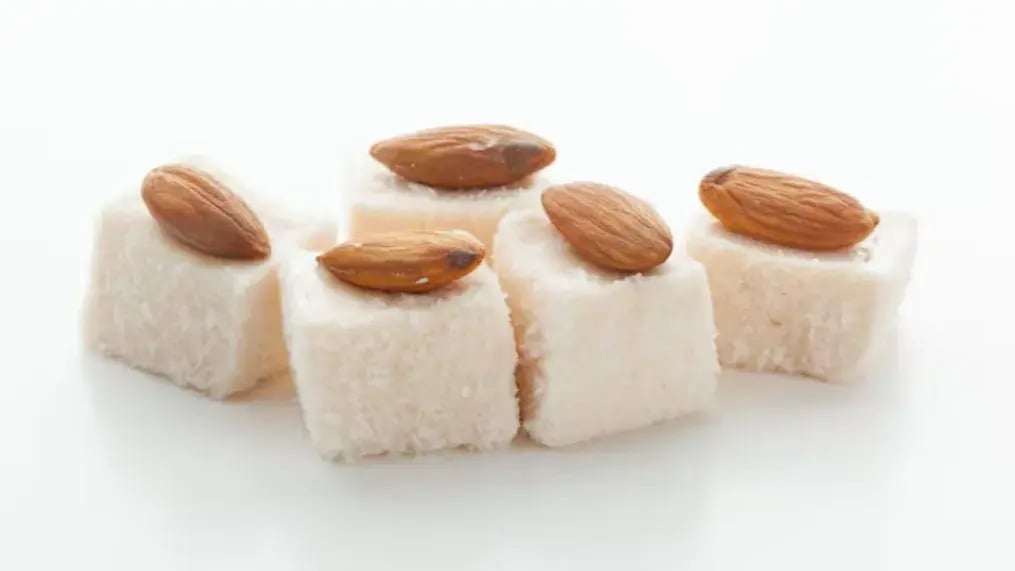
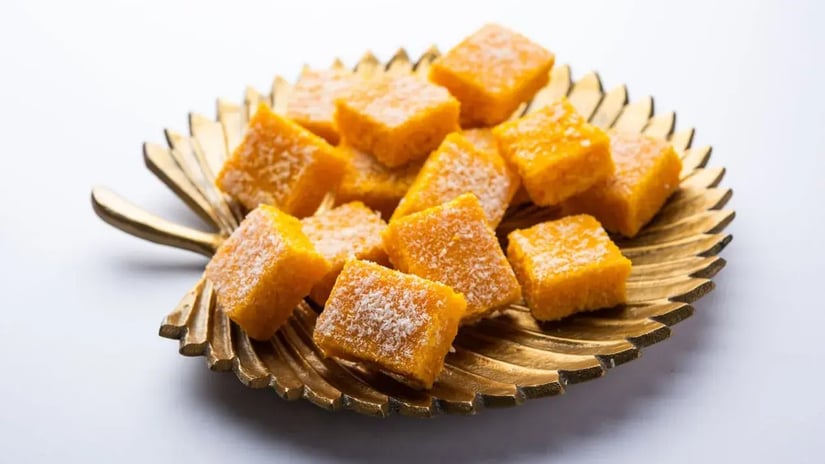
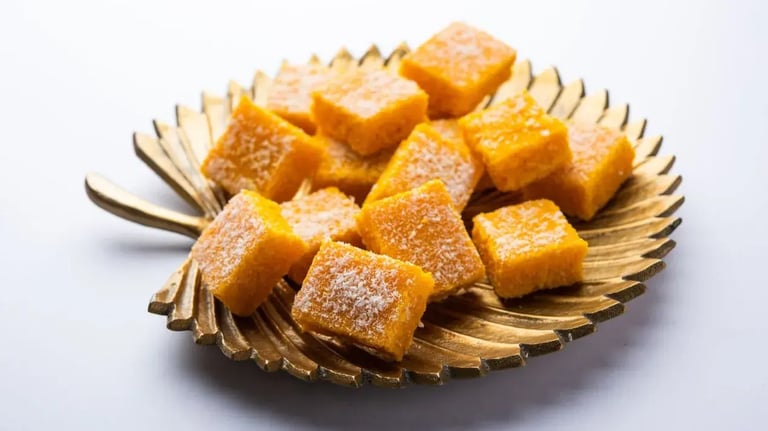
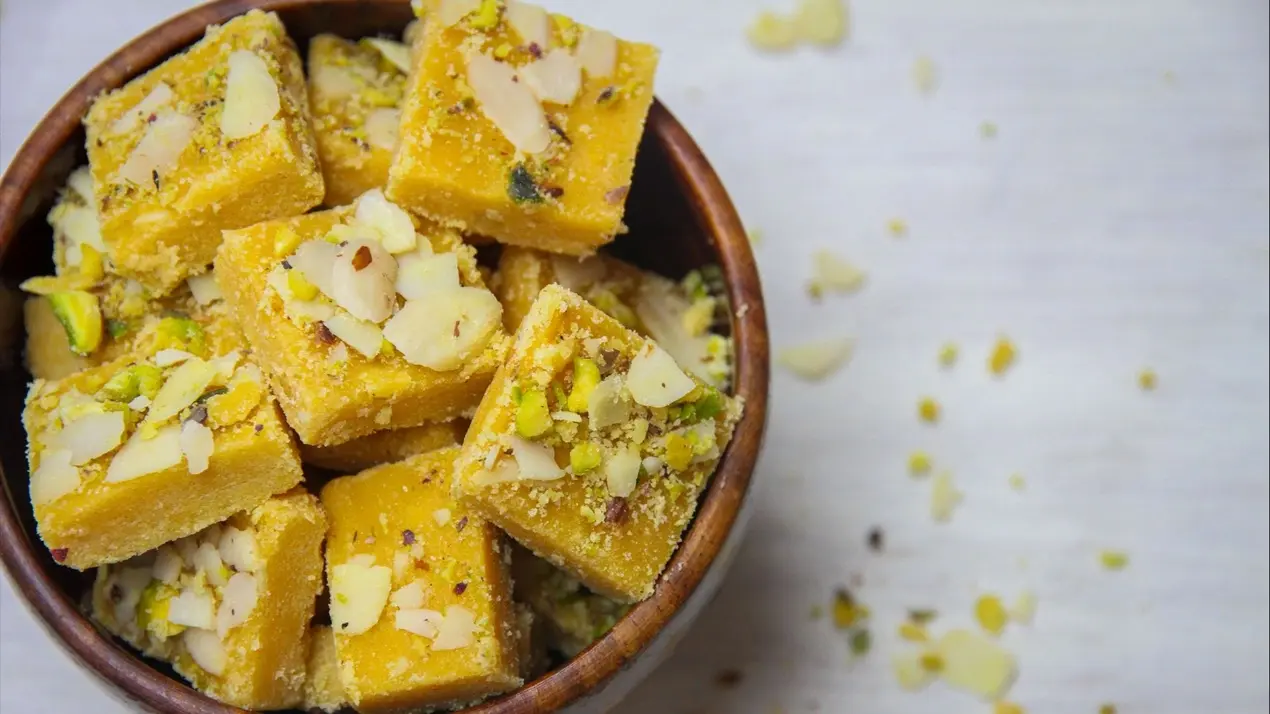
Coconuts can literally transport you to a tropical land and give you beachy vibes. To make the most of the tropical vibes, why don’t you make coconut barfi that is widely appreciated on all occasions? The best part about nariyal barfi is that it’s also easy and quick to make. All you need to do is mix shredded coconut with condensed milk, ghee, and sugar. Mix in all the ingredients until you get a fudge-like consistency. Then, let it cool and garnish it with some chopped dry fruits and nuts.
Let the mixture cool and set completely before cutting it into squares to hold its shape.
Finally, cut the barfi into squares and enjoy.
Coconut Ladoo
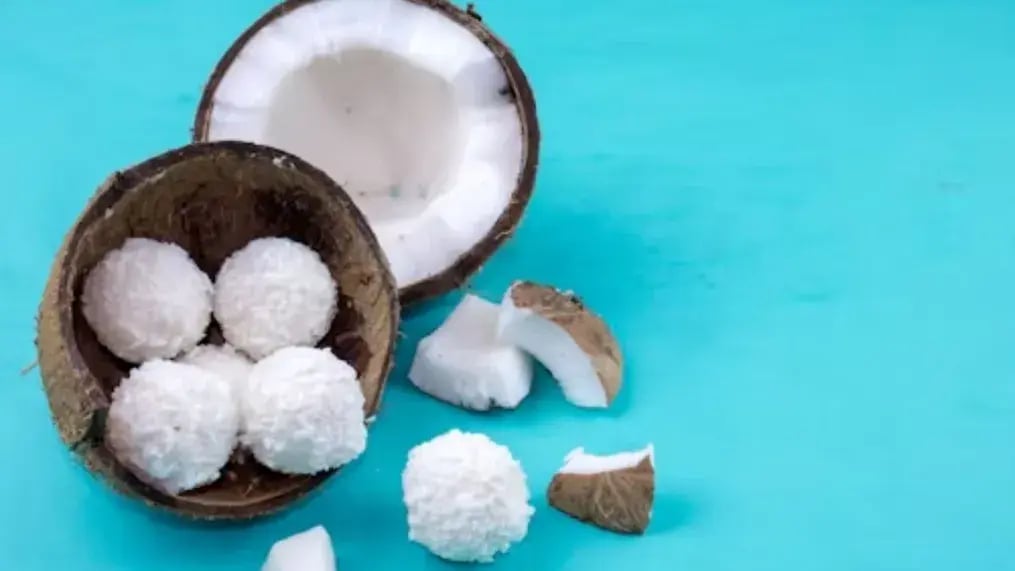
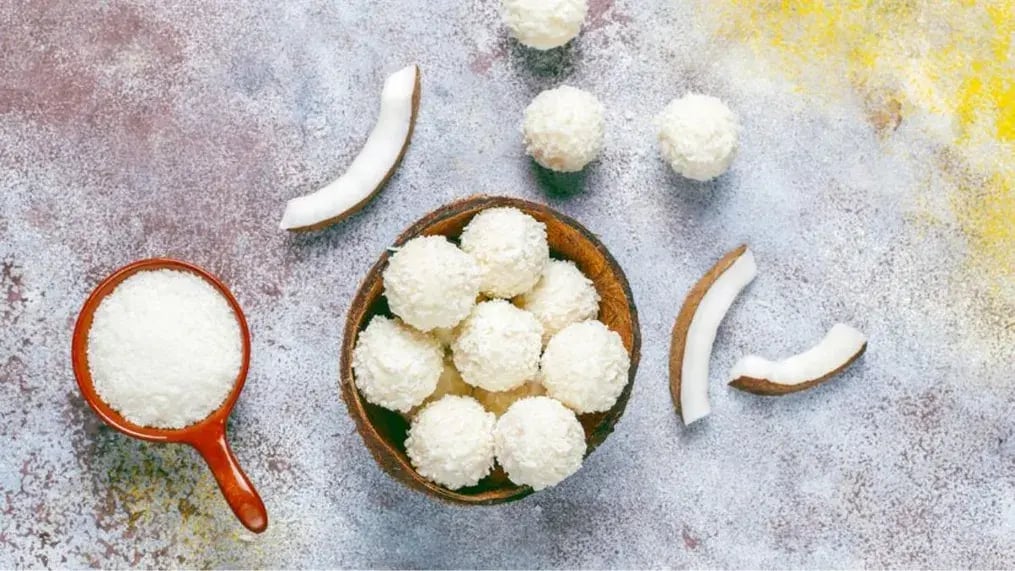
Nariyal ladoo, also known as coconut ladoo, is one of the most popular coconut desserts. Not only is it really simple to make, but it can also be enjoyed all year round, whether you have an occasion or just a sweet tooth. Nariyal ladoo can be quickly made using grated coconut, condensed milk, sugar, and cardamom powder. First, you need to roast the grated coconut till it is fragrant. Then, you can add condensed milk and a little sugar to taste and cook on low heat. Once you get a sticky mixture, you can mix in cardamom powder and shape the mixture into small balls.
Coconut Kheer
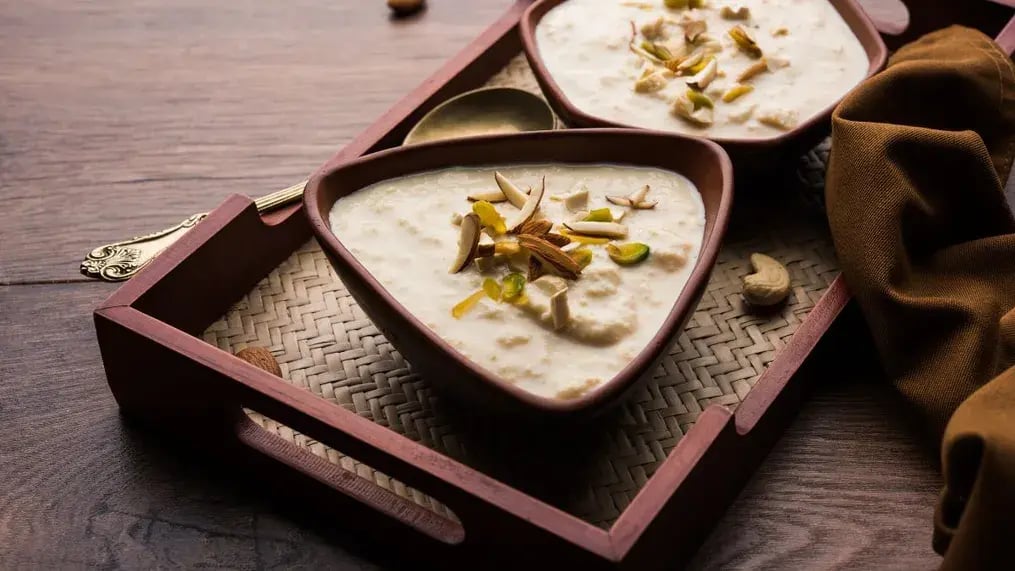
Kheer, also known as payasam in Southern parts of the country, is another Indian dessert that is often made in households across the country for a festival, special occasion, or just to enjoy something sweet after a meal. This can be whipped up by simmering rice, milk, sugar, and coconut. After you get a consistent coconut kheer, garnish with shredded coconut and chopped dry fruits and nuts. For the best taste, refrigerate the kheer till it is chilled before serving.
Coconut Modak
Modak, the sweet synonymous with Ganesh Chaturthi, is a sweet dumpling that is made with rice flour and a sweet filling. But who said you need to wait for Ganesh Chaturthi every year to enjoy the traditional sweet? By twisting the usual recipe, you can make coconut modak and satisfy your cravings. To make it at home, you can start by preparing a sweet filling with grated coconut and gur (jaggery). Wrap the filling in a dough made with rice flour; you can give the dumplings the shape of modak, and enjoy the South Indian coconut dessert.
Coconut Halwa
Halwa is a traditional North Indian dessert that can be made with a wide variety of ingredients. If you want to incorporate coconut into the Indian classic, you can start by heating some ghee and roasting fresh coconut. Once the coconut is roasted, you can add sugar and milk while stirring.
Continue cooking till the halwa becomes glossy and thick and leaves the sides of the pan.
That’s the time to make the halwa richer by adding chopped dry fruits and nuts like almonds, pistachios, and cashew nuts. Mix well and serve the warm coconut dessert.
How to Choose a Coconut Dessert for the Occasion
-
Festive prasad: Opt for simple traditional sweets like coconut burfi, which can be easily portioned out as a gift.
-
Gifting: Hard sweets like coconut burfi can be cut, packed, and gifted.
-
Quick sweets: Using condensed milk or readily available coconut in recipes for quick preparation when time is limited.
-
Chilled desserts: Preparing a creamy dessert like coconut milk kheer for something cool and refreshing.
Fresh Coconut vs Desiccated Coconut in Desserts
The fresh one has more moisture, resulting in a softer, juicier texture and a fresher coconut flavor. The desiccated one is drier and gives desserts a firmer and slightly chewy texture. It has a longer shelf life, so it is more convenient to store for Indian Coconut Dessert Recipes. However, when substituting, one may need to adjust the amount of liquid in the recipe.
Frequently Asked Questions
What are popular Indian desserts made with coconut? 
Popular desserts made from coconut are Burfi, ladoo, kheer, and payasam. The preparation and choice of desserts may vary depending on the occasion and whether warm or chilled desserts are preferred.
Can I use desiccated coconut instead of fresh coconut?
Yes, desiccated coconut can be used as a substitute; however, bear in mind that it will have less moisture. For Indian coconut desserts, adjust the amount of liquid if the mixture seems too dry.
Which coconut dessert is easiest to make?
Coconut burfi is probably the simplest sweet to make, especially when using condensed milk. It only requires simple mixing and cooking before you press it into a tray to cool and set.
How should coconut sweets be stored?
To store coconut sweets, it is important to put them in an airtight container and keep them in the fridge if you have added fresh coconut or milk. Coconut burfi should also be kept cold if the recipe requires it.
Like This Article?
More Like This


Popular Articles


Trending Web Stories


Curated Recipes