






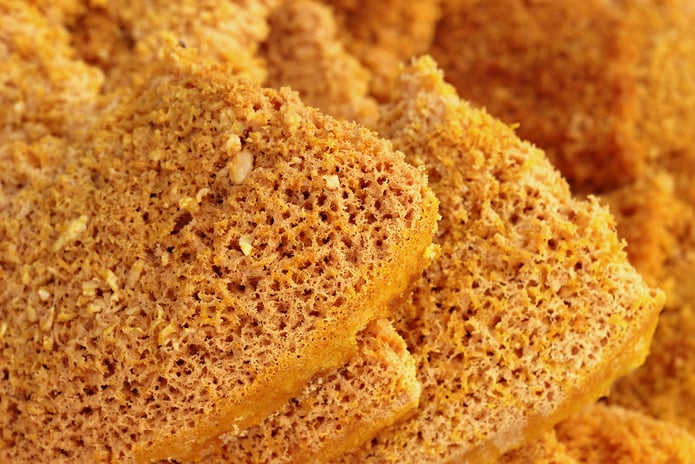


The festive season is upon us, and we’ve got a variety of desserts for you to try. Here, we talk ghevar.
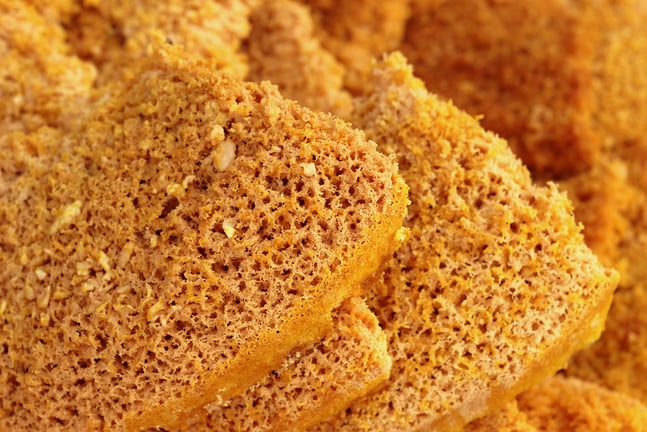
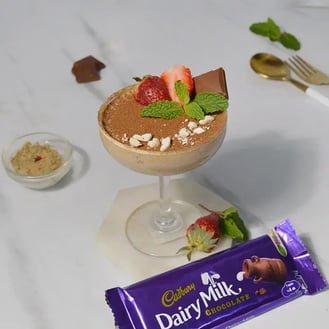
Rakhi is a time of joy and celebration. Families come together to celebrate the special bond shared by brothers and sisters, aunts and nieces, and so on. Sisters tie their brothers rakhis, a band on the wrist, which signifies their love and strong bond. They feed their brother something they have made themselves, usually something sweet, and the brothers, in turn, present a gift to their sisters. In this way, the bond is solidified, and they express their love for each other in a unique and holy way. Of course, you can feed your brothers a Chocolate Mousse or a Chocolate Barfi. But we recommend something more traditional and wholesome — ghevar. Simply follow this detailed guide to making ghevar at home and impress your brother and family with the hearty dessert.
Traditional Ghevar Recipe for Rakshabandhan
Key Ingredients & Flavor Combinations
For the batter:
- 400 gms ghee
- 1 block of ice
- 240 gms flour
- 120 ml milk
- 500 ml chilled water
- 1 tsp lemon juice
For the sugar syrup:
- 200 gms sugar
- 100 ml water
Other ingredients:
- Oil/ghee for deep frying
- Dry fruits, to garnish
- 1/4 tsp cardamom powder
- Silver vark for garnishing
How to Make:
-
In a pan, melt the ghee over low heat. Stir it around until it melts. Then turn off the heat.
-
Transfer the ghee to a bowl. Place the ice block in the ghee and mix the ghee around the ice. The ghee will start to thicken and turn whitish.
-
Then remove the ice, add the flour to the ghee, and mix well. First, add a spoonful, mix it in, then add some more, and so on. In this way, add all of the flour and mix it in thoroughly. Once the ghee has cooled, the resulting mixture will resemble a crumble. Do not knead it; just mix it in roughly.
-
Then add the chilled milk to the bowl and mix it in. Do not overmix. You just want the ingredients to be well incorporated with each other.
-
Next, add the chilled water and lemon juice and mix them in to create a smooth, flowing consistency. You can use a whisk if needed. The fast speed will help the ingredients incorporate more smoothly. Keep beating till no lumps remain.
-
Add ghee to a pan and turn the heat to medium. The size of the pan will determine the size of the ghevar. Or you can add in a ring if you want a specific size or you're using a kadhai.
-
Once the ghee is hot, add a spoonful of the ghevar batter. When adding, make sure the spoon is straight on top of the pan. Keep some distance and let the ghee flow in a stream-like consistency. Keep some distance from the pan so it drops into it.
-
The batter will splatter, but the froth soon subsides. Then add another spoonful of the batter and wait for it to settle down. In this way, add all the batter and fry it.
-
As you add more batter, keep a spoon on hand to place it properly. Push it to the sides, ensuring that there’s a hole in the middle.
-
Fry on medium heat.
-
Once thoroughly cooked, turn off the heat and pull the ghevar out. Drain out all of the oil and set on a large plate. Set aside.
-
In a pan, add the sugar and place on medium heat. Then add the water and mix continuously until the sugar has fully dissolved. Keep stirring so that the sugar does not stick to the bottom of the pan, or it will burn. Once the sugar is dissolved, turn off the heat and set aside. It should have a two-string consistency. This means that when you touch the syrup with one finger, press another against it, and then pull them apart, the syrup should form two strings between the fingers.
-
Pour the sugar syrup over the ghevar and let it sit so the ghevar has time to absorb all the syrup.
-
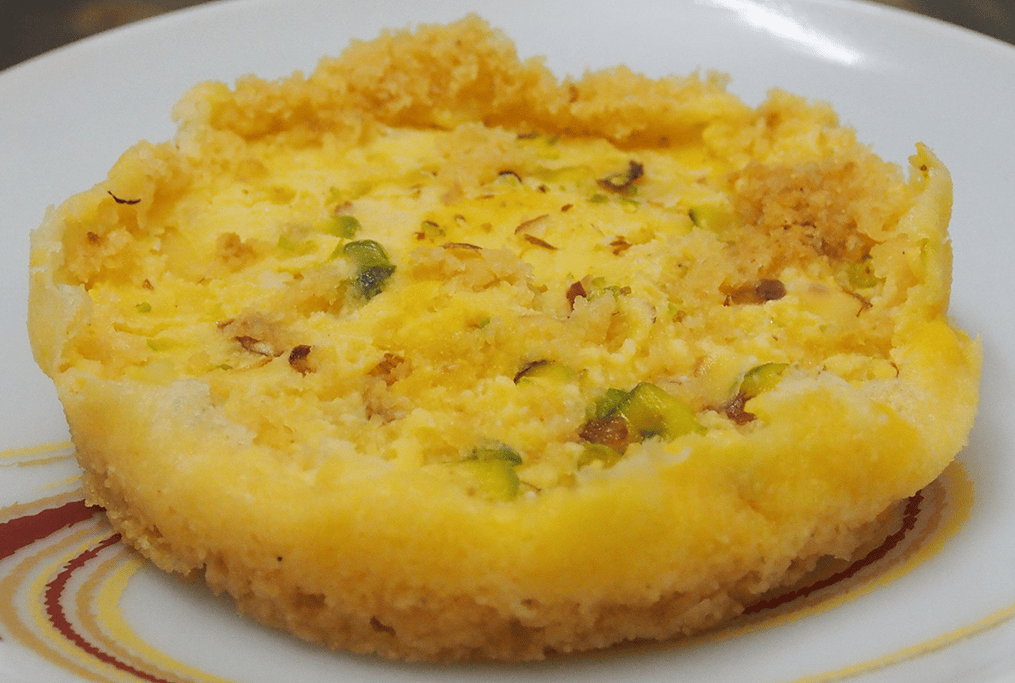
Garnish with chopped nuts and a sprinkle of cardamom powder. Add silver vark and rabri on top. Serve immediately.
Tips & Tricks for Perfect Ghevar
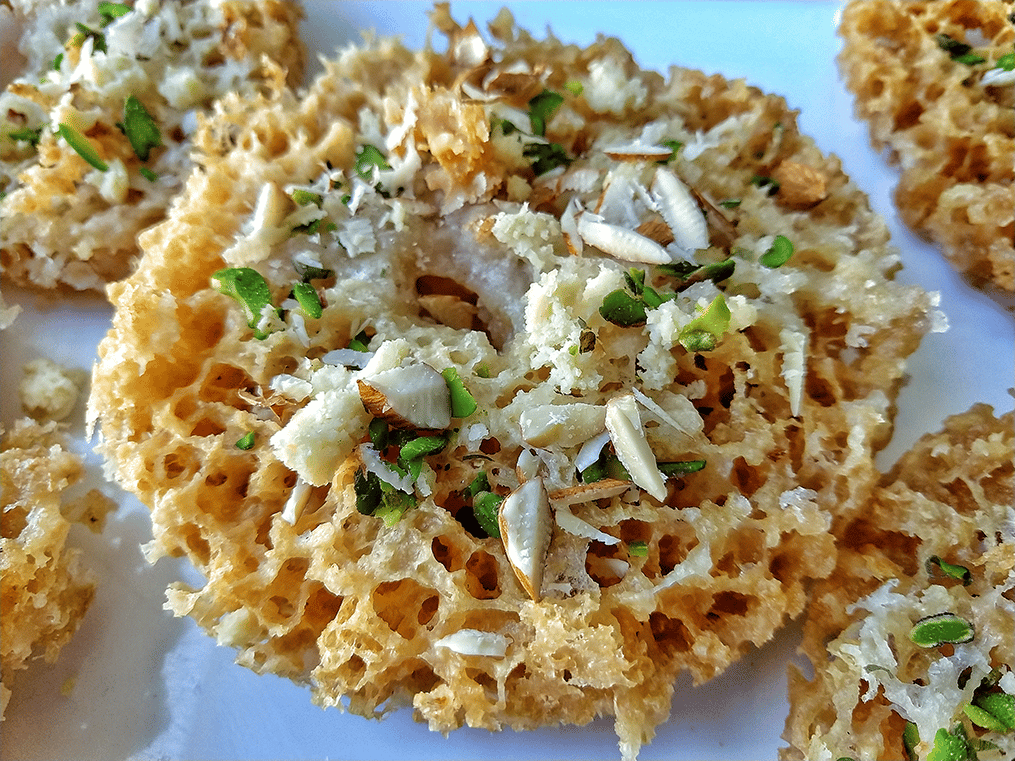
A perfect ghevar requires special attention to the temperature and the batter. Make sure the batter stays cold throughout the process, and the ghee is heated well before pouring the batter. The batter should be poured from a height in a thin stream to ensure the desired texture of ghevar.
It is better to use a deep, heavy pan or kadhai to fry the ghevar, as the batter splutters upon contact with the hot ghee. There should be plenty of space around the pan, and the batter should be poured carefully. The batter should stay fluid but not runny; if it's too runny, add some cold water and stir.
Do not try to mess with the ghevar while it is being fried. After the shape appears, try to keep the hole inside the ghevar with the help of a skewer or a thin spoon. This will allow the batter to reach the sides. Frying on medium heat will make the edges and the center cook evenly.
To give your ghevar a perfect look, it is better to pour some sugar syrup over it rather than soak it in it. Afterward, add rabri, chopped pistachios, almonds, and a little bit of cardamom. Such finishing will make homemade ghevar recipes for Rakhi look festive.
Cultural Significance of Ghevar in Rakshabandhan (new)
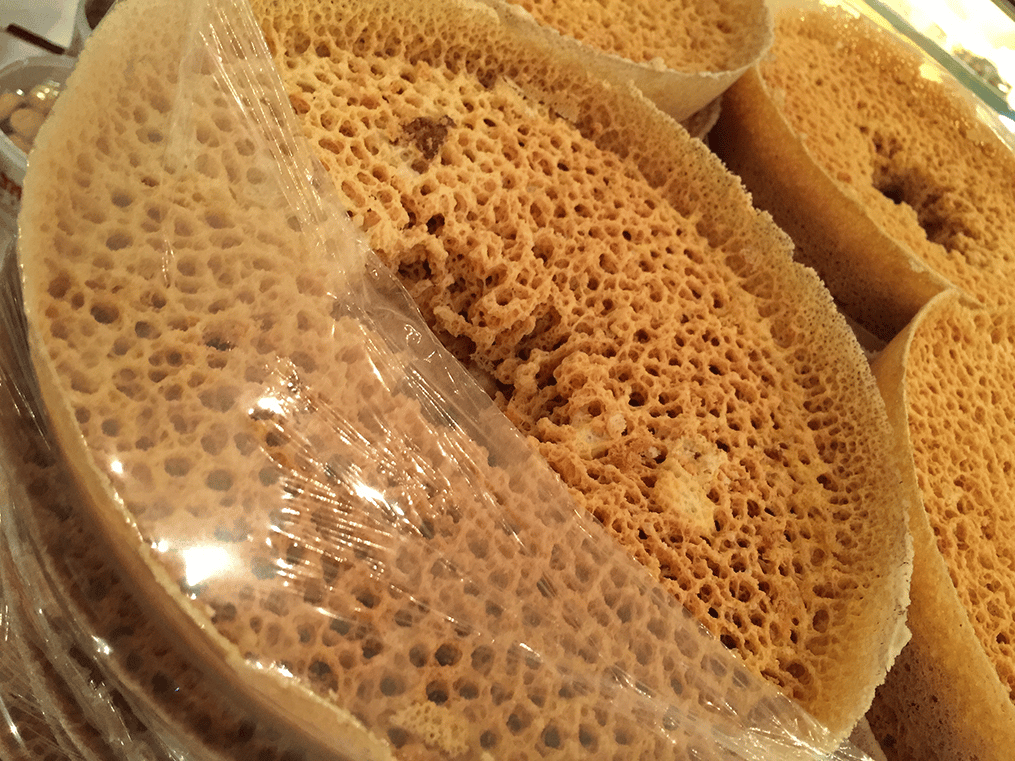
Ghevar is a special type of sweet popular in Rajasthan and some parts of North India, especially during the monsoon season, when the Rakshabandhan festival is celebrated. An intricate structure, crispy texture, and delicious toppings are familiar to everyone who has ever visited the local sweet shops.
Raksha Bandhan festival is mainly about the bond between siblings. Exchanging sweets is one of the main traditions of the holiday; sisters usually offer mithai to their brothers after putting on rakhi. Families can share sweets with relatives and guests during the holiday, and a plate of ghevar for Raksha Bandhan will bring a special regional flavor to the tradition.
Ghevar is especially popular in Rajasthan; it is served at all celebrations and on auspicious days. Of course, plain ghevar is delicious, but variations of the dessert, covered with rabri, nuts, and saffron, have become very popular festive treats. Homemade ghevar for Raksha Bandhan will be an interesting way to celebrate the holiday, especially if the dessert is prepared especially for the brothers.
Enhancing Ghevar with Cadbury Products (new)
A traditional dessert can take on a new taste and look with Cadbury products, while keeping its crispness and Indian spirit. Melt Cadbury Dairy Milk and drizzle it over the cooled ghevar. On top of the dessert, add some chopped pistachios and almonds. The combination of creamy chocolate and syrup-soaked, crispy dough is really delicious.
For a more luxurious variation, prepare the simplest chocolate rabri by adding chopped Cadbury Dairy Milk to the reduced warm milk. When it cools, drizzle the mixture over the ghevar and sprinkle some pistachios on top. You can also add chocolate shavings to the rabri-topped ghevar to make it look more luxurious.
Another option is to prepare mini portions of ghevar and decorate each with chocolate drizzle, chopped nuts, and a small portion of rabri. It will make the dessert easy to serve at the Rakhi gathering.
Frequently Asked Questions
Can I make Ghevar without ghee? 
Yes, you can use any neutral oil instead of ghee; however, good-quality ghee is necessary to achieve the authentic results.
How do I store leftover Ghevar?
Plain ghevar can be kept in a tight box at room temperature; the dessert with rabri and other dairy toppings should be refrigerated and consumed promptly.
What variations can I try with Ghevar?
Try such variations of ghevar as rabri ghevar, malai ghevar, saffron ghevar or chocolate ghevar. You can also add chopped pistachios, almonds, rose petals, or chocolate.
Like This Article?
More Like This


Popular Articles


Trending Web Stories


Curated Recipes