



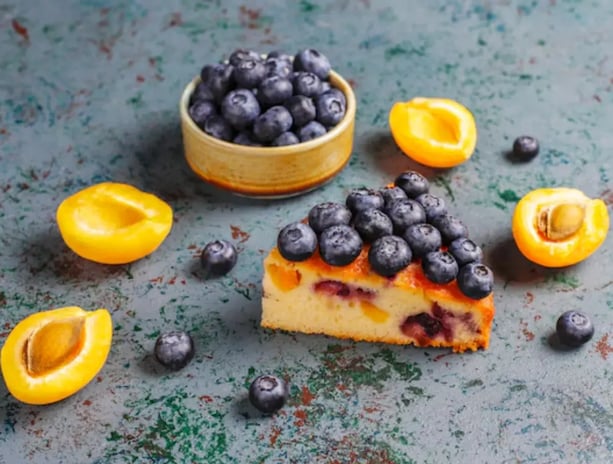


Discover the best Basque burnt cheesecake flavors, from chocolate and matcha to citrus and coffee. Learn baking tips, texture secrets, common mistakes, and how to achieve a perfectly caramelized top and a creamy center.
Basque burnt cheesecake has taken the world by storm with its creamy texture and caramelized top. But why stick to the original when you can have fun and try new things? If you want to shake up your baking and bring some excitement to your desserts, experimenting with flavors is the way to go. Whether you’re in the mood for something fruity, nutty, or indulgent, the possibilities are endless for customizingyour Basque cheesecake.
What Makes Basque Cheesecake Unique
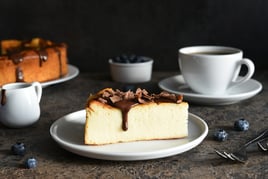
The thick, velvety texture and exquisitely caramelized surface of Basque burnt cheesecake are what make it so magical. It has a contrasting texture, with a burnt caramelized exterior and soft, custard-like center. It has a deep, slightly bittersweet flavor.
Ingredients That Affect Creaminess & Texture
Even though the ingredient list is straightforward, each part is essential to achieving the ideal balance between a structural cake and a creamy core. Some of the key ingredients are mentioned below along with their importance:
Key ingredients:
1. Cream cheese is used for its richness and structure providing nature. The base of Basque burnt cheesecake is cream cheese. Its distinctive rich, tangy flavor and opulent texture are produced by its high fat content. The cheesecake retains its structure while being soft and creamy because of the full-fat cream cheese.
2. Eggs provide that custard texture. They aid in the batter's setting during baking. They also bind the ingredients together. However, be careful about using too many eggs or too little eggs. While using too many eggs can result in a dense or excessively solid cheesecake, using the right amount produces a smooth interior.
3. Sugar is used for caramelization and to add sweetness to the dessert. Sugar also contributes to the development of the deeply caramelized top that characterizes Basque cheesecake during high-temperature baking. Additionally, it helps retain moisture, which keeps the interior creamy and velvety. Sugar is important because it helps to neutralize the burnt exterior of the cheesecake.
4. Cream is used for its smooth and silky consistency. Heavy cream gives the cream cheese a delightful, melt-in-your-mouth quality by lightening its density. It balances the richness of the other ingredients and contributes to the cheesecake's distinctive smooth filling. Cheesecakes are known for their creamy texture, one must try to make sure the cream is fresh and settles well once refrigerated.
5. Flour is optional. One can make cheesecake without flour but in case you need to give more solidity, some recipes call for a tiny bit of flour. Flour can lessen the chance of an unduly mushy core and facilitate slicing. However for a texture more akin to custard, many traditional Basque cheesecake recipes completely eliminate flour.
Chef’s advice: Don't significantly replace the main ingredients. The texture, flavor, and ability of the cheesecake to develop its distinctive burnt top can all be greatly impacted by modifications to the cream cheese, eggs, sugar, or cream.
Base Preparation Tips
Achieving a smooth batter and the creamy texture that makes Basque burnt cheesecake so well-liked requires careful preparation. Following are some base preparation tips for you to keep in mind when you are baking at home. These tips will help you make a smooth batter.
Mixing Without Overbeating
Blend the items until they are well blended and smooth in order to avoid excess air and prevent cracks. Because overbeating adds too much air to the batter, the cheesecake may rise excessively in the oven and then collapse or crack when it cools. A rich, creamy interior is produced by gently consistent mixing.
Room Temperature Ingredients
Before combining, let the cream, eggs, and cream cheese come to room temperature. This makes it easier for the ingredients to mix together, avoiding lumps and guaranteeing a smooth, uniform batter. Additionally, room-temperature ingredients encourage more reliable baking. It also enhances the flavours of the ingredients.
Achieving a Smooth Batter
Scrape down the sides of the bowl often throughout mixing to achieve the smoothest texture. Before adding the batter to the pan, strain it through a fine-mesh screen if there are still little lumps in it. This additional process produces a cheesecake that is incredibly creamy and smooth.
Baking Techniques for Perfect Texture
The dramatic look and enticing texture of Basque charred cheesecake are the result of the baking process. Here are some of the baking techniques you can experiment and explore in your kitchen:
High Temperature Baking
Use high heat for a signature burnt top. Basque cheesecake is baked at an extremely high temperature, usually between 220°C and 240°C, in contrast to ordinary cheesecakes which are baked between 165°C-175°C. The interior interestingly remains creamy and soft while the surface immediately caramelizes due to the strong heat, giving it the distinctive dark, almost burnt top.
Baking Time Control
Avoiding overbaking is the secret to success. When the pan is gently shook, the middle should still be little jiggly but the sides should seem set. Instead of having a dry or dense filling, the cheesecake will continue to set as it cools, giving it a delightfully creamy texture.
Pan Lining Technique
Parchment paper should be used to completely line the cake pan, extending a few inches over the rim. The overflow gives Basque burnt cheesecake its rustic, crinkled look while supporting the batter as it rises. Additionally, the parchment makes removal from the pan much simpler and keeps things from sticking.
Popular Flavor Variations
You don’t have to follow the traditional recipe to enjoy that silky filling and perfect burnt top. Instead, why not add a little something extra? From adding a squeeze of citrus zest to infusing your cheesecake with cinnamon and nutmeg, the flavour possibilities are endless. This guide will take you through the most popular and delicious variations of Basque burnt cheesecake.
So, get ready to get creative! With these flavours, your cheesecake will be the centre of attention.
Chocolate Basque Cheesecake
You can also fold in melted dark chocolate for a creamy, slightly bitter undertone. Top with a drizzle of chocolate ganache or a dusting of cocoa powder.
Matcha Basque Cheesecake
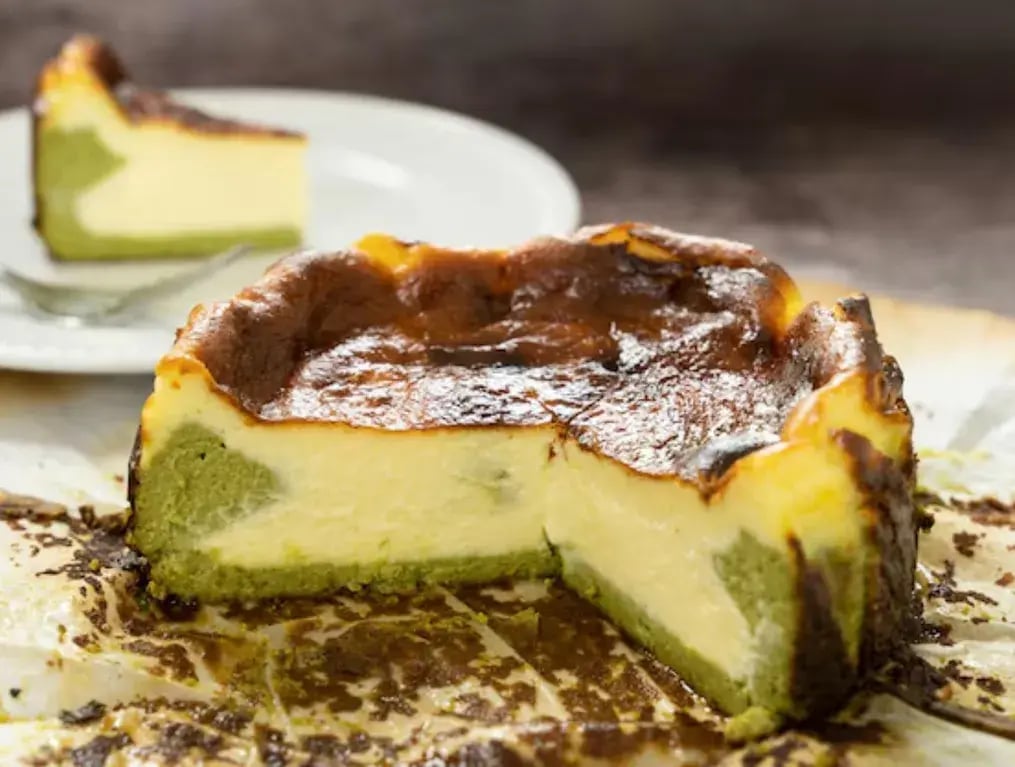
For something totally different and delicious, try adding matcha powder to your Basque burnt cheesecake. The earthy slightly bitter flavor of matcha goes so well with the creaminess of the cheesecake, it is both complex and refreshing. The green color is a bonus, makes it a great showstopper. Matcha also adds natural sweetness which balances out the richness of the burnt cheesecake.
Citrus (Lemon/Orange) Version
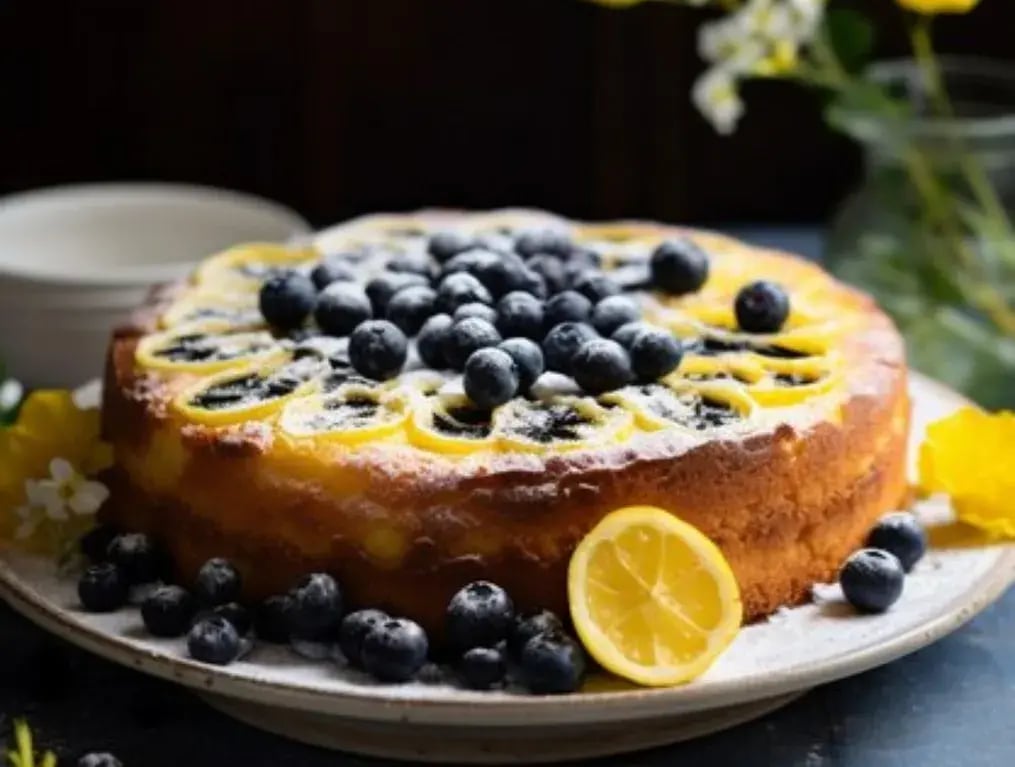
A new spin on the classic Basque burnt cheesecake, this one adds the brightness of lemon and the sweetness-tartness of blueberries. The lemon zest is mixed into the batter for a citrusy kick and a swirl of blueberry compote or fresh blueberries on top for a fruity contrast to the creamy cheesecake. The blueberries are just tart enough to balance out the cheesecake’s sweetness, so each bite is a flavor bomb.
Coffee or Mocha Flavor
For coffee lovers, this one is a decadent combination of espresso and chocolate. Add a shot of espresso to the cheesecake batter and you get a bold, roasted flavor that pairs beautifully with the sweetness of the cheesecake.
Common Mistakes to Avoid
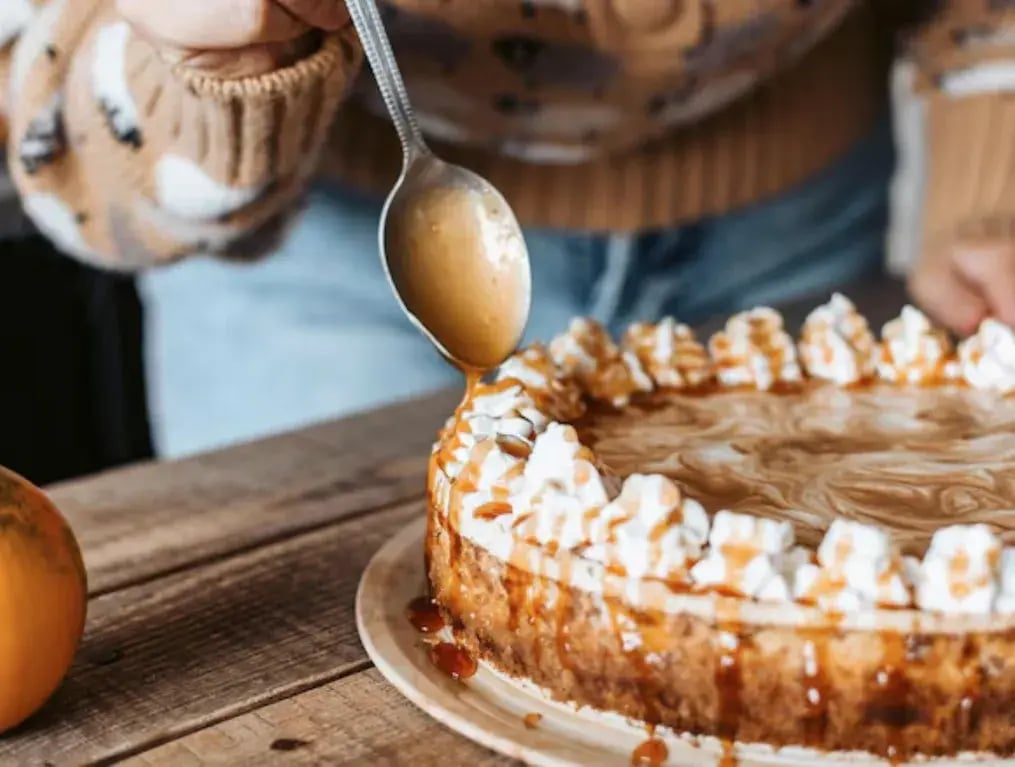
A few typical beginner mistakes can impact the texture, flavor, and overall presentation of Basque burnt cheesecake. So here are some of them for you to keep in mind while baking:
-
Overbaking can lead to dry texture in the cheesecake. When taken out of the oven, the middle should still wobble somewhat even though the top should be deeply caramelized. The filling loses moisture when it is overbaked, giving it a dense, dry texture rather than the characteristic creamy, custard-like middle.
-
Low oven temp will lead to no burnt top. High heat is necessary for the development of the distinctive dark, caramelized surface of Basque cheesecake. A pale top and a texture more akin to a classic cheesecake could result with baking at a lower temperature.
-
Overmixing leads to too much air inside the batter which causes the cheesecake to expand during baking and contract as it cools. Cracks and an uneven texture may result from this. To preserve a rich, creamy consistency, only stir until the ingredients are completely blended and smooth.
-
Skipping parchment can be used to avoid any sticking issues. Without it, the cheesecake may adhere to the pan, making removal challenging and possibly ruining its appearance. The rustic, crinkled margins that define this dessert are also a result of proper lining.
Serving & Storage Tips
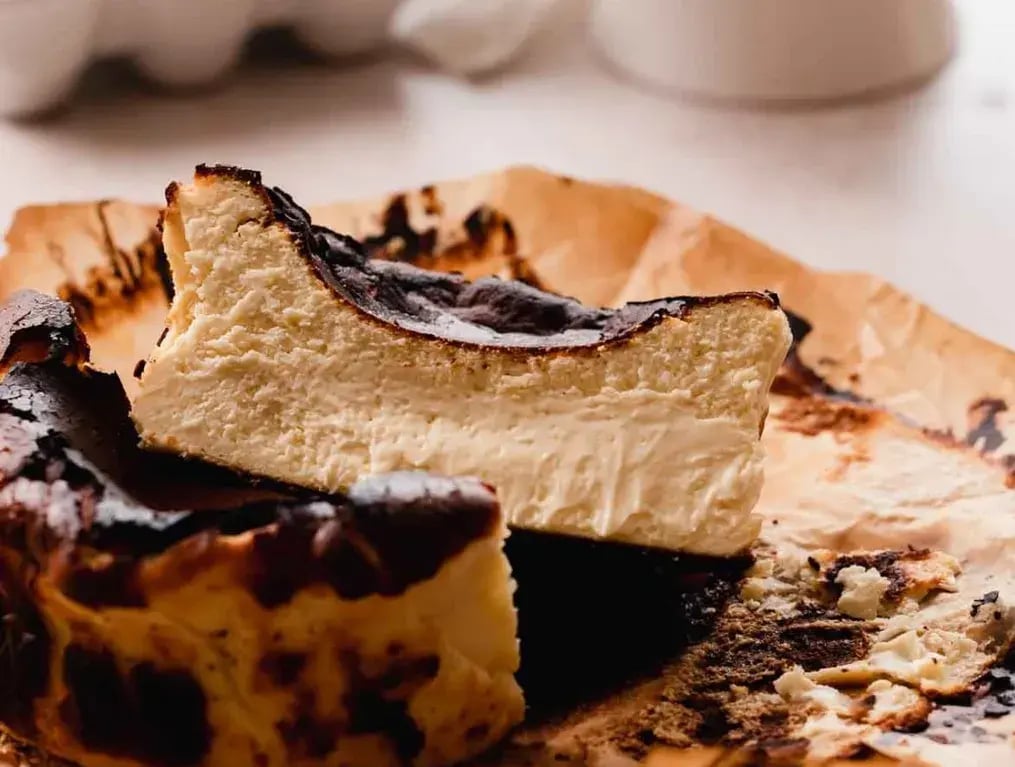
When served and stored properly your Basque burnt cheesecake will retain its rich flavor and creamy texture. Following are some of the tips to do the same:
-
Cool the cheesecake completely before slicing it. Make sure to cool under room temperature and do not immediately refrigerate the same. Slicing too soon may result in untidy slices and an excessively soft core. While cooling maintains the filling's creamy smoothness while aiding in its setting.
-
Serve slightly chilled or at room temp. Depending on your tastes, there are several ways to enjoy Basque burnt cheesecake. While warming it closer to room temperature improves its creamy texture and lets the flavors fully develop, serving it slightly chilly results in a firmer texture and cleaner slices.
-
You can store the cheesecake in the refrigerator for up to 2–3 days. Before putting the cheesecake in the refrigerator, cover it tightly with plastic wrap or put it in an airtight container. It will keep its rich flavor and silky texture for up to two to three days if refrigerated properly.
Frequently Asked Questions
Why is my cheesecake not burnt on top? 
When baked at a high temperature, usually between 220°C and 240°C a Basque burnt cheesecake gets its distinctive dark top. If the top is still pale, your oven may be too low, the cheesecake may require a few more minutes to bake, or the oven may have been set too low. Another way to encourage caramelization is to add enough sugar to the batter.
Can I make it without flour?
Indeed. Recipes for traditional Basque burnt cheesecake frequently call for little to no flour. For the cheesecake to properly set, the eggs and cream cheese offer necessary structure. The cheesecake may be slightly softer when sliced, but leaving out the flour can make it more creamier and more custard-like.
Why is the center too runny?
It's normal to have a slightly jiggly center, which adds to the creamy texture of the cheesecake. It might be underbaked, though, if the center is very liquid. The cheesecake will continue to firm as it cools, so let it cool completely and refrigerate for a few hours. If, after chilling, it's still runny, try baking it for a little longer the next time.
Can I make it ahead of time?
Of course. The texture and flavor of Basque burnt cheesecake often improve after being refrigerated overnight, making it a great make-ahead treat. Bake it one day ahead of time, let it cool fully, and then store it in the refrigerator until you're ready to serve.
How do I know when it’s done?
When the center of the cheesecake still wobbles slightly when the pan is gently shook and the top is thoroughly caramelized and dark brown, the cheesecake is done. The center should not be quite solid, but the edges should seem set. The middle will continue to solidify and retain its distinctive creamy texture as the cheesecake cools.
Like This Article?
More Like This


Popular Articles


Trending Web Stories


Curated Recipes