







Each country or a bunch of them has more than one kind of homemade sweet buns, some famed, some hidden gems. So get them as a birthday surprise for your best friend.
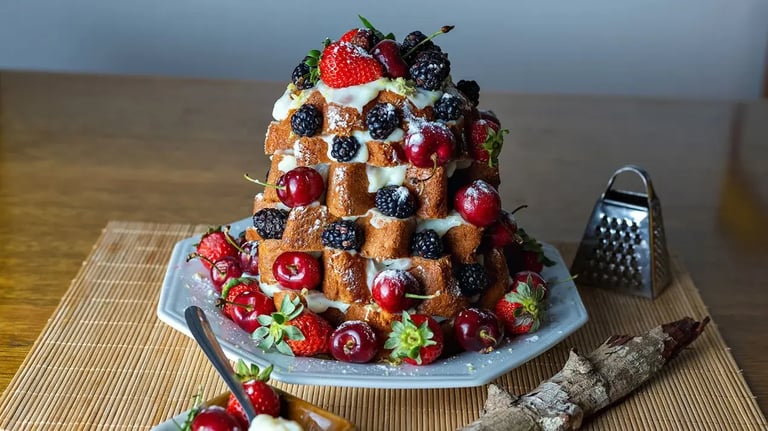
Introduction to Moon-Shaped Sweet Buns
Cultural Significance
Moon-shaped sweet buns are traditional festive snacks beloved by many. Mostly made from flour and sugar, they are usually soft, sweet, and comforting. The round shape usually signifies family reunion, prosperity, and happiness.
Pan de Muerto
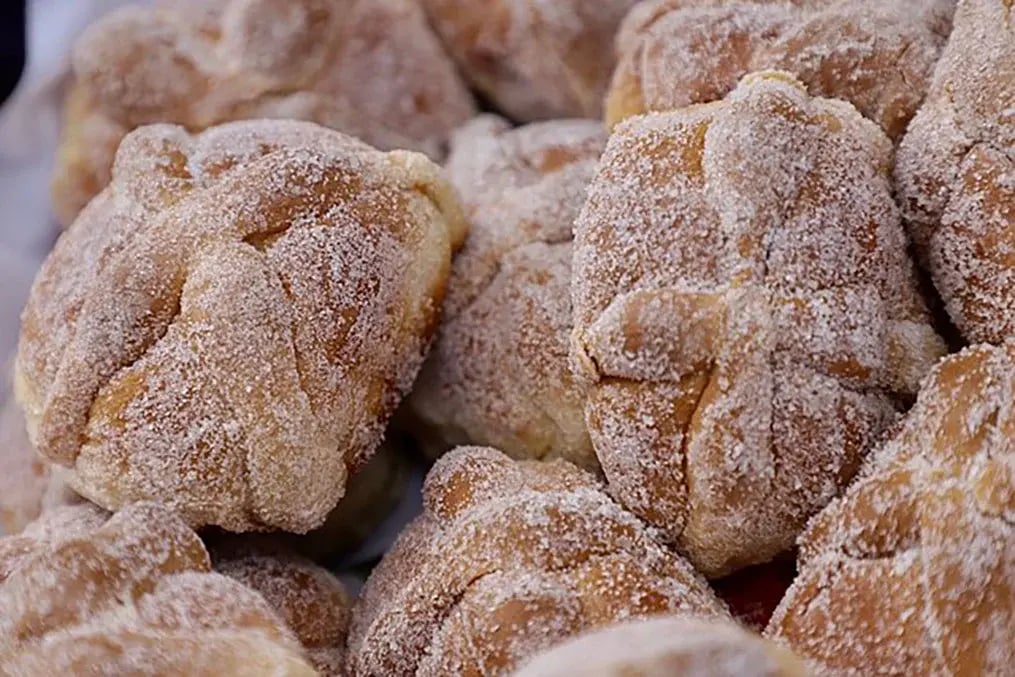
More than just a festive bake, it symbolizes the bond between families and their deceased loved ones, with sharing moon-shaped sweet buns and other traditional breads being a wonderful way to honor, remember, and celebrate those who have passed away, while keeping their memory close to their hearts.
It is made from the usual ingredients used to make bread, with a butter-orange zest wash to help the sugar stick to the bread. One bite into this bread reveals the flavor of anise and cinnamon used to bake the bread.
Cozonac
Fancy a marbled bread with an identity crisis from Romania? Because it is baked as a loaf, Cozonac is often thought of as bread, but it is more on the cake side. Cozonac is also called a walnut or a sweet yeast dough and is a popular treat during Christmas time and Easter in the country. It is made with flour, sugar, milk, cocoa, eggs, nuts, and raisins.
In addition, many people use vanilla, lemon zest, or rum to enhance the flavor. A rich filling made of walnut or poppy seed is often used as well, so that each family has its own recipe. In addition, homemade sweet buns and Cozonac are traditional gifts for relatives and family friends, which symbolize happiness and generosity, as they are prepared with love and care.
It smells heavenly when taken out of the oven after baking owing to the nuts used in the recipe.
Vasilopita
Another ‘cake’ with an identity crisis, because it is also called pie or bread, depending on who you end up asking, Vasilopita is eaten during New Year’s Time in Greece. What’s special about the cake, or bread that looks like a huge bun with its dome-like shape, is that it is baked with a coin or some kind of trinket inside it. The senior-most person in the family cuts the cake, and it is believed that whoever gets the slice with the trinket will have a lucky year.
The festivities start with finding the hidden coin, which is supposed to bring the family luck, wealth, and blessings for the coming year ahead. Family members will come together around the table and make the most of the celebration with the moon-shaped sweet buns, as well as other festive foods to usher in a year of prosperity.
Each slice of the cake is dedicated to different religious figures in Christianity. The third slice is dedicated to St. Basil, the bread’s namesake, and there’s a story behind this person too. He wanted to give something to the poor instead of making it look like charity, so he asked a woman to bake a cake with several gold coins inside. The poor families who got the cake were quite surprised to find money inside.
Brioche
The French have a small bun called the brioche, which is a cross between a bun and a pastry. Why pastry and not cake lies in its huge butter content that low-key makes it flaky as well as bready. A whopping 400 grams of butter per 1 kg of flour is used to make brioche. Different parts of France give different spins to the recipe, and no two brioches from different Brioche-specialising areas are the same.
Some regions prepare it as small individual rolls while others like to bake large braided loaves or add orange blossom, chocolate, or pearl sugar to create their very own version. These regional variations to the classic homemade sweet buns showcase the different family recipes enjoyed across France.
It is said that Norman Vikings brought them to France because they were the ones who knew how to use butter in baking.
Chalka
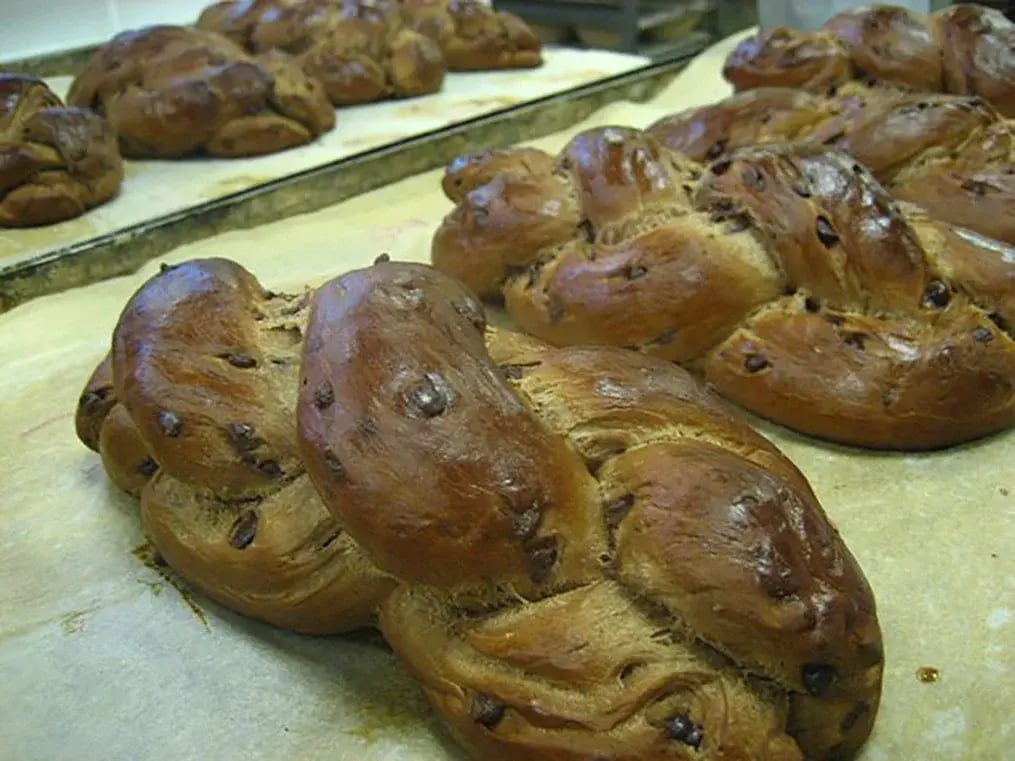
The Jewish Challah bread and Chalka are the same – a soft and sweet Polish bread that is knotted before baking. It incorporates dried nuts and fruits and often has a sprinkling of slivered almonds, poppy or sesame seeds.
In Jewish culture, Challah is traditionally baked and shared on the Sabbath and Holidays as a sign of food, gratitude, and the importance of being together. Chalka was created in Poland after adapting different baking traditions, while keeping the primary goal of bringing people together. Thus, it can be concluded that both kinds of traditional homemade sweet buns are loved and passed through generations but still have different unique recipes.
In the olden days, it did not have the tag of bread because it was made from yeast, primarily, and did not contain rye flour.
Kardemommeboller
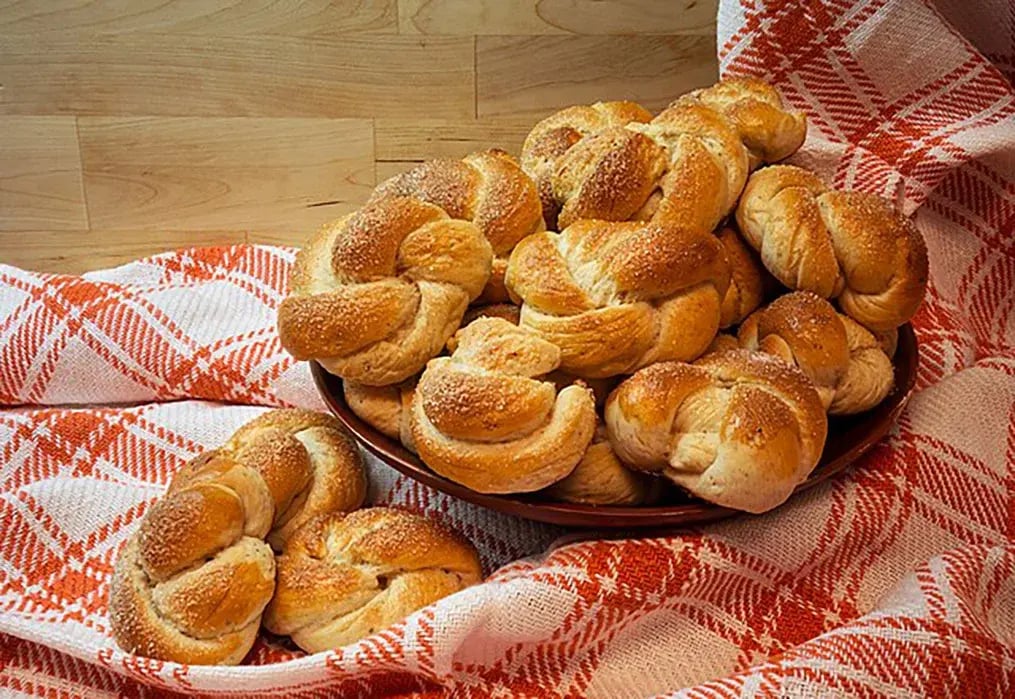
If you like the flavor of cardamom, then you will for sure like the Swedish Kardemommebollers, which are traditional cardamom buns. It is a knotted sweet bread that looks like a sophisticated but homely sweet bun. They are said to have been brought in by German bakers in the 17th century, and as for the cardamom, it came from the East with the opening of the trade routes and spice trade.
Over time, Swedish bakers began to add cardamom to their buns and pastries, using it as a staple baking spice. Today, Swedes still make these homemade sweet buns as a part of their coffee break, also called “fika”.
Pandoro
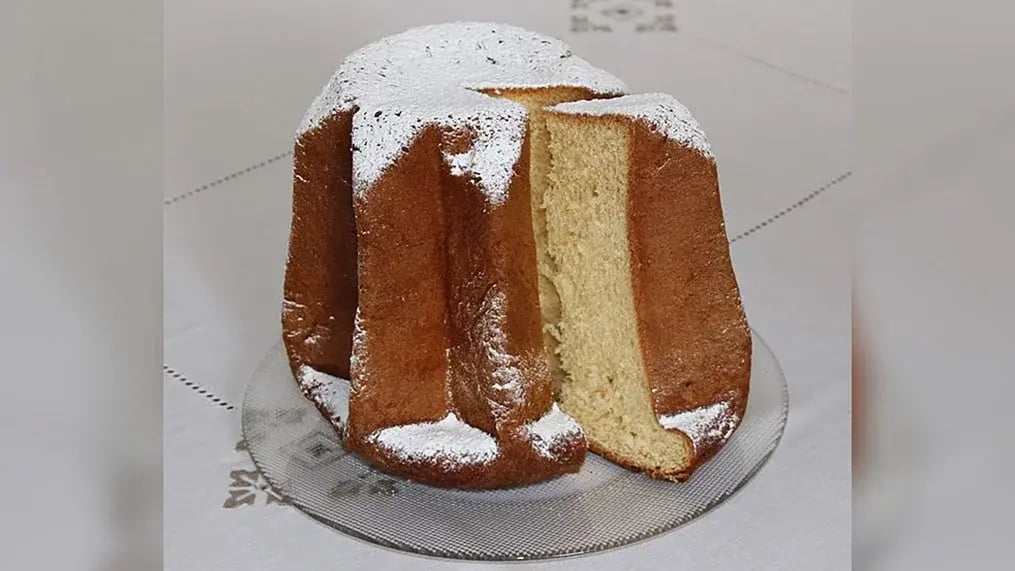
We left the best ionthis list for the last, for you might be familiar with this Italian sweet bread. Remember the videos floating around where Italians take this dome-like bread, dump powdered sugar in the plastic bag it comes in and shake vigorously? Turns out it's Pandoro, which is a Christmas bread from Italy from the city of Verona.
First made in Verona in the late 19th century, Pandoro has since become a holiday staple in Italy. It is a beloved treat that is shared at family celebrations and fed to feasting crowds. It is baked in a star-shaped mould with the batter made from flour, milk, egg yolks, yeast, butter, sugar, salt, and vanilla. Its name translates to golden bread – pan d’oro together means golden bread. The yellow of the bread comes from the many egg yolks used to make this sweet bread.
Shaking the loaf with powdered sugar coats every ridge evenly, creating a snowy finish that resembles the Italian Alps and adds to the fun of sharing moon-shaped sweet buns and other festive baked treats during Christmas celebrations.
Conclusion
The journey of the moon-shaped sweet buns from nation to nation shows that ordinary ingredients may create extraordinary traditions and tastes, and most importantly, precious memories. These delightful pastries are perfect for introducing different nations and their cultures and discovering that they are all united by one thing – an amazing baking tradition.
Frequently Asked Questions
What are moon-shaped sweet buns? 
Moon-shaped sweet buns are crescent-shaped pastries made of sweet dough and often enjoyed as a festive delicacy. They come in a variety of forms and offer various cultural significance, distinct flavors, and fillings.
Which cultures traditionally make moon-shaped sweet buns?
Many different cultural groups bake Moon-shaped sweet buns with a crescent shape in their traditional cuisine. Asian, European, or Middle Eastern cultural groups, for example, celebrate holidays and family values with this kind of food.
Can I make these buns at home?
Yes, it is possible to prepare homemade sweet buns at home with simple ingredients. It is easy to make delicious and fluffy buns with such additives as sugar, yeast, and various stuffings.
Like This Article?
More Like This


Popular Articles


Trending Web Stories


Curated Recipes


