











Learn how to avoid Yorkshire pudding baking mistakes, baking process techniques along with storage and re-heating tips and FAQs.
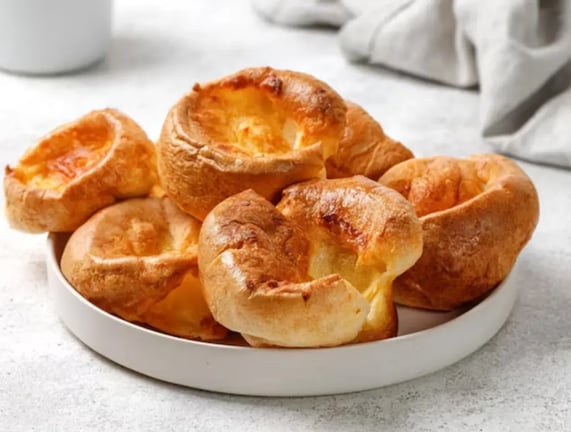
Yorkshire Pudding Baking Mistakes
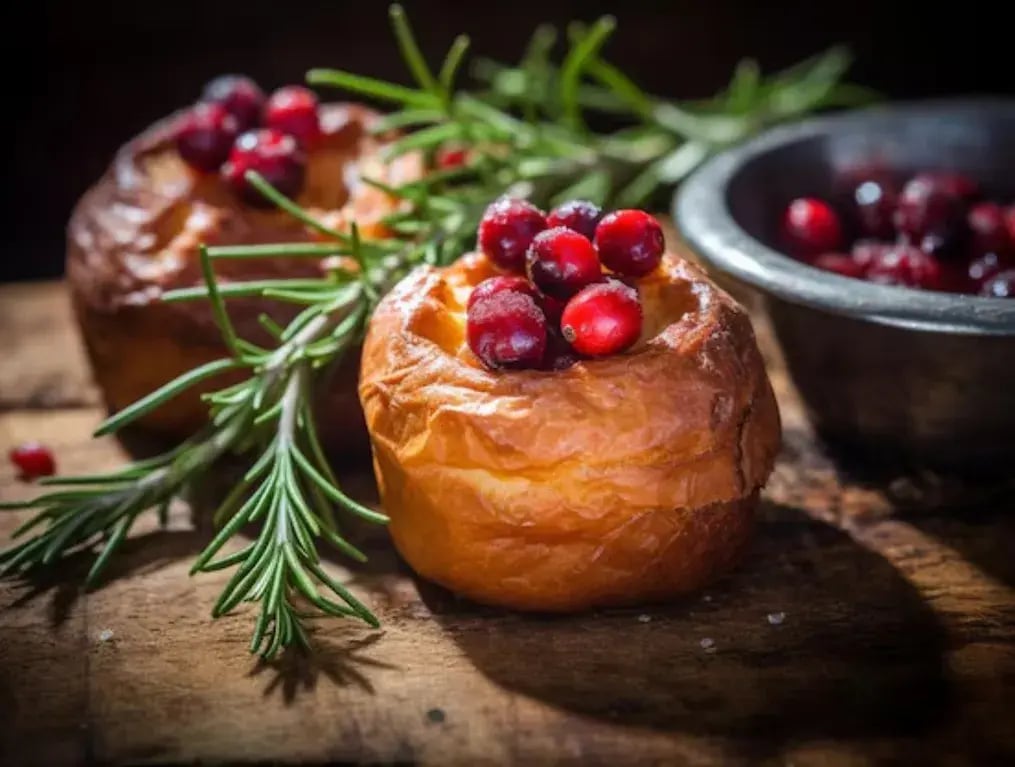
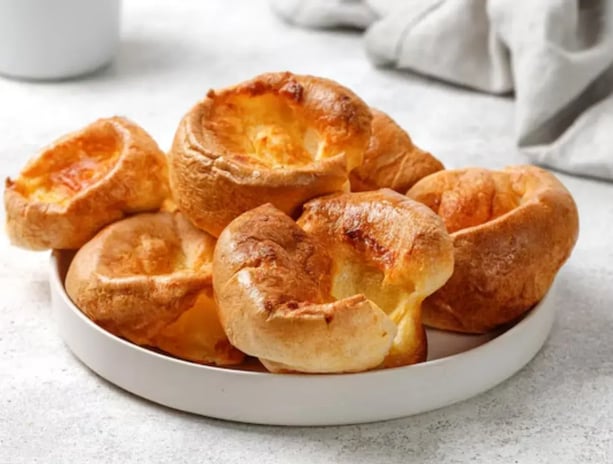
Yorkshire pudding may sound extensive but at the end of the day it’s a simple no fuss dish – just eggs, flour and milk Yorkshire pudding is like the crispy-edged, pillowy cousin of our very own Malabar parotta – both require patience, the right temperature and a bit of skill to get right. But don’t worry once you know what to avoid you’ll be baking golden, puffy ones in no time!
Base Preparation Mistakes to avoid
The key to a perfect Yorkshire pudding is technique – how hot your oil is, how long you rest the batter and even how you open the oven door can make or break the results. Small mistakes like using cold batter or skipping the resting time can turn your crisp, airy dream into a stodgy mess. And let’s not forget the oil – it needs to be sizzling before the batter touches it or you’ll end up with puddings that won’t rise.
Overmixing or Undermixing Batter
Mix the batter only until the batter is nearly smooth and the flour has been mixed. To rapidly and smoothly combine ingredients without overworking them, many cooks use a food processor or blender. Whisking too vigorously or for too long develops the gluten in the flour excessively. Onthe other hand, undermixing can leave behind large pockets of dry flour or failing to properly incorporate the ingredients.
Incorrect Batter Temperature
Use room temperature ingredients for better rise. If you pour cold batter into hot oil you’re setting yourself up to fail. Yorkshire pudding batter needs to be at room temperature for a better rise. Leave it out for at least 30 minutes before baking. This allows the batter to cook evenly and puff up nicely.
Lumpy Batter Issues
Strain or whisk properly to remove lumps. You might be tempted to mix and pour straight into the tin but patience is key. Leaving the batter to rest for an hour (or longer) allows the flour to absorb the liquid properly and gives you a better rise and airy inside. Think of it like dosa batter—fermentation makes all the difference!
Baking Process Mistakes
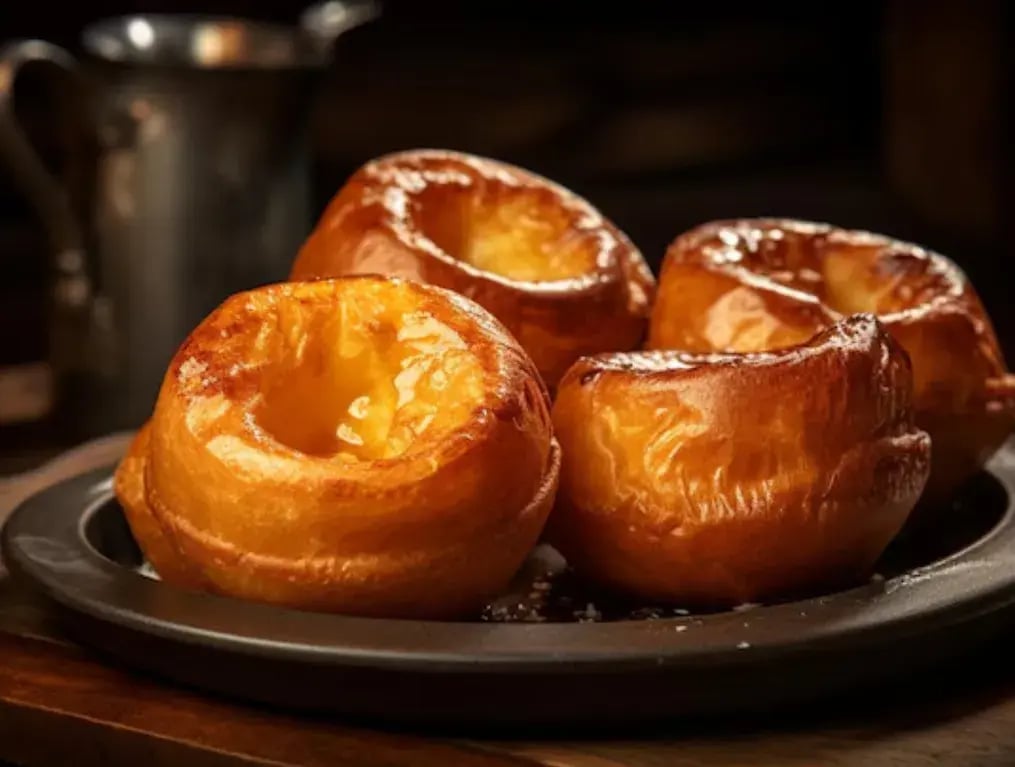
Focus on oven temperature, timing, and fat heating when you are baking.
Oven Not Hot Enough
Preheat the oven fully. High heat is critical for the rise of pudding. Yorkshire puddings need a very hot oven – 220°C (425°F). If your oven is too cool they’ll be dense and heavy instead of puffy. Preheat your oven properly and don’t lower the temperature once you start baking.
Not Heating Oil Properly
Oil must be smoking hot before adding batter. If your oil isn’t sizzling hot before the batter goes in you’ll end up with heavy, stodgy puddings. The oil needs to be so hot that it bubbles instantly when you pour in the batter. Use a metal tin and preheat the oil in the oven for at least 10-15 minutes.
Opening Oven Too Early
Avoid opening the door of the oven. Yorkshire puddings need an uninterrupted bake, if you open the oven door too soon to check on them, the temperature drop will cause them to collapse. Don’t be tempted to look – wait until they’ve risen and are golden brown before you check.
Texture & Structure Issues
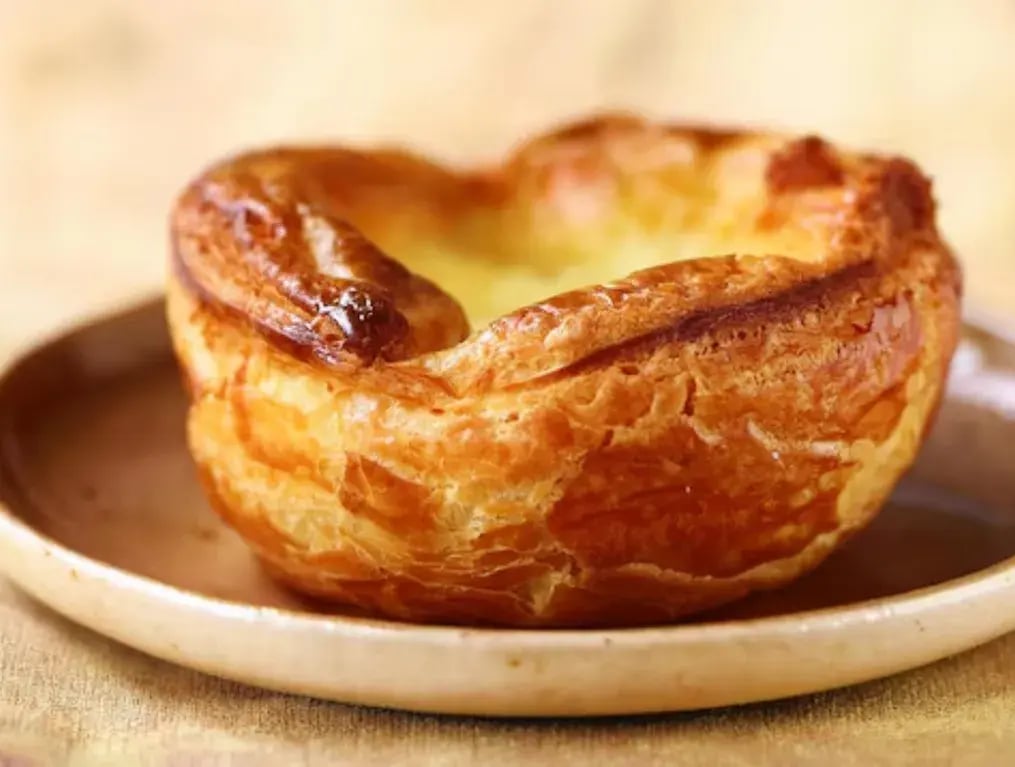
Flat or Dense Puddings
Flat or dense puddings are caused by low heat or poor batter aeration. The most common causes of flat or dense Yorkshire puddings are either an oven that isn't hot enough or a batter that doesn't contain enough air. The quick steam expansion required for a high rise is produced by an oven that is adequately heated. Aeration and texture can also be enhanced by thoroughly whisking the batter and letting it sit. Try to let the pudding rest at room temperature after baking in the oven.
Soggy Bottoms
Sometimes Insufficient heat or underbaking can lead to soggy bottoms. Underbaking, adding batter to a tray that hasn't been thoroughly prepared, and insufficient oven heat are common causes of soggy bottoms. When the batter is added, the heated fat should crackle, contributing to the initial creation of a crisp foundation.
Burnt Outside, Raw Inside
If the oven is too hot or due to uneven heat distribution the pudding might be burnt on the outside or raw from the inside. The oven temperature may be too high or the heat may be dispersed unevenly if Yorkshire puddings are browned on the exterior but undercooked inside. Position the tray in the center of the oven and avoid opening the oven door during baking to ensure even cooking.
Ingredient Impact on Texture

Yorkshire pudding is made from simple pantry staples however one must recognise how the conditions of the ingredients impact the texture of the pudding.
Flour → flour keeps the pudding structure upright. A little stiffer structure can be achieved with stronger flour.
Eggs → Eggs add richness, stability, and uplift the pudding. They facilitate a higher rise and aid in capturing steam.
Milk → Batter softness and consistency are impacted by milk. The right liquid ratio preserves structure while producing a light interior.
Fat → The distinctively crisp exterior is caused by fat. A golden, crunchy shell can be produced by dripping or using hot oil.
Avoid unnecessary substitutions because they might lead to change in texture of the pudding.
Common Mistakes to Avoid
- Oven spring can be decreased by using cold batter straight out of the refrigerator.
- Low oven temperatures frequently result in dense, flat puddings.
- Steam cannot form right away if the tray and fat are not adequately preheated.
- Texture and rise can be adversely affected by using either too much or too little fat.
- Inconsistent outcomes may arise from unevenly distributing batter throughout the cups.
Storage & Reheating Tips
When Yorkshire puddings are crispest, they are finest eaten just out of the oven. If you must store leftovers, store them in the refrigerator for up to two days in an airtight container.
To restore crispness, reheat in a hot oven (around 180°C/350°F) for 5 to 8 minutes. The puddings may get soggy and soft if they are reheated in the microwave. If freezing, let it cool fully before storing it for up to a month in a freezer-safe container.
Frequently Asked Questions
Why didn’t my Yorkshire pudding rise? 
Yorkshire puddings typically don't rise because the batter wasn't added to a hot enough oven or oil. The amount of steam required for a successful rise can also be decreased by using cold batter, overmixing, or opening the oven door while baking. Use a well heated oven and preheat the baking tray with hot oil for optimal results.
Can I make batter in advance?
It is possible to prepare Yorkshire pudding batter up to 24 hours in advance and keep it refrigerated. Because the flour gets fully hydrated, resting the batter frequently improves texture and rise. For best results, let the batter approach room temperature before baking.
What oil is best for baking?
Select high-smoke-point oils like vegetable, sunflower, canola, or classic beef dripping.
Why are my puddings soggy?
The most common causes of soggy Yorkshire puddings are underbaking, inadequate oven heat, or oven overcrowding. If they are cooked and then left in the baking tin for an extended period of time, they may also get soft. For optimal crispness, bake until deeply golden brown and serve right away.
Can I reheat Yorkshire puddings?
Yes, reheat Yorkshire puddings in an oven warmed to 180°C (350°F) for five to ten minutes, or until they are crisp and hot. A microwave can soften the outside and make them soggy or chewy, so avoid using one. Puddings that are properly reheated keep a lot of their original flavor and texture.
Like This Article?
More Like This



Popular Articles


Trending Web Stories


Curated Recipes


