











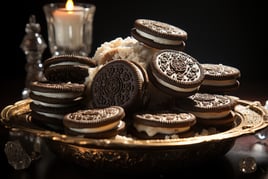


Take your pick from the Navratri sweets of Bengali favorite payesh made with jaggery and the trademark bay leaf, the fast-friendly sabudana Navratri kheer, and the classic vermicelli kheer


What is the festive season without the aroma of kheer filling up your kitchen and making your neighbors salivate? While regular festive kheer uses ingredients such as rice, vermicelli, or milk, fasting-friendly versions use vrat-approved ingredients such as sabudana or same rice. For best results, especially with the payesh, cook just an hour or so before the guests arrive for the mouth-watering aroma to linger in your home. Whether making these for Durga Puja sweets or Navratri sweets, you will definitely get compliments if you serve these to your friends and family.
Bengali Payesh
Ingredients:
- 50 gm Gobinda bhog rice (or basmati rice)
- 1 litre whole milk
- 100 gm chopped jaggery, adjust to taste
- 1 bay leaf
- 1/4 tsp cardamom powder, or 2 crushed pods
- 2 tbsp cashews or almonds, chopped (optional)
- 1 tbsp golden raisins (optional)
Gobinda bhog rice gives payesh its conventional texture and fragrance, whereas jaggery gives it a distinct sweet flavor. Bay leaf and cardamom help to bring out the dish's unique traditional flavor.
How to Make Payesh
- Rinse the fragrant rice until the water runs clear, then soak for 20 minutes with the water covering it completely.
- Chop the jaggery and set aside in a bowl.
- Heat the milk in a heavy kadai on low heat and start stirring occasionally as it starts heating.
- Let the milk come to a boil, then continue to simmer for 8-10 minutes, stirring often until the milk reduces.
- After 8-10 minutes, drain all the water from the rice and add it to the milk, along with the bay leaf, cardamom powder, or pods, and mix well.
- Simmer the payesh on low heat, stirring often until the rice grains are soft and cooked.
- As the rice grains get cooked, the milk will also thicken and reduce more. Make sure to stir often so that the rice does not stick to the pan and get burnt.
- Taste or mash a few rice grains to check if the rice is cooked well, then turn off the heat.
- Add the chopped nuts and raisins immediately. For best results, pre-soak the nuts, especially if using almonds, and also the raisins. Mix to distribute them into the payesh.
- Remove the pan from the stovetop and keep aside for a few minutes to cool down a bit.
- Add half of the chopped palm jaggery, and stir well to speed up its melting and also to mix.
- Add the remaining jaggery and mix again very well until all of the jaggery dissolves.
- The payesh tastes best hot or warm. Before serving, garnish with a few chopped cashews.
The milk should be reduced sufficiently by thickening and coating the back of the spoon lightly before adding the rice.
Sabudana Kheer for Navratri Fast
Ingredients:
- 60 gm sabudana
- 1 liter milk
- 50 gm sugar
- 1/4 tsp cardamom powder
- 4-5 saffron strands, crushed in 1 tbsp milk
- 2 tbsp sliced almonds (optional)
- 120 ml water
How to Make Payesh

- Rinse the sabudana well, drain the water then pour 1/2 cup (120 ml) water and soak for two hours. The sabudana pearls will absorb almost all the water, and their size will increase. If you want bigger pearls, soak in one cup of water overnight, for five to six hours.
- Heat milk in a heavy-bottomed pan over medium flame and bring to a boil. Once it boils, add the soaked sabudana.
- Add sugar next and stir well until it dissolves completely.
- Cook until they turn transparent and soft, or for around 10-15 minutes. Make sure to stir continuously.
- Reduce heat to low and add cardamom powder and crushed saffron milk.
- Stir continuously and cook until the milk turns thick, approx. 5-7 minutes. Tip: When the kheer cools down, it will become thick as the sabudana will absorb most of the milk.
- Turn off the flame and scoop the prepared sabudana kheer into serving bowls. Garnish it with sliced almonds and serve warm.
Vermicelli Kheer
Ingredients:
- 1 tbsp ghee
- 5 cashews, broken
- 1 tbsp raisins
- 100 gm vermicelli
- 1 liter milk
- 50 gm sugar, adjust to taste
- 1/4 tsp cardamom powder or 1-2 pods, crushed
Regular vermicelli is made from wheat and/ or other grains and may not be suitable for strict fasting. This is best enjoyed as a festive kheer, and not a vrat item.
How to Make Payesh

- Heat ghee in a nonstick pan and fry the broken cashews with the raisins until the cashews turn golden brown and the raisins puff up. Keep aside.
- Add the vermicelli to the leftover ghee in the pan and roast on low to medium heat until it changes color to a deep golden, about five minutes. Keep this aside too.
- Now, take a big and heavy kadhai, pour milk into it, and bring it to a boil on medium heat. Use a ladle to stir occasionally.
- Add the roasted vermicelli to it, then stir and let it boil for 10-15 minutes until the strands are soft. Then add sugar, do a taste test after adding it, and add more if not sweet enough.
- Keep cooking the concoction until the milk reduces and thickens.
- Then add the roasted cashews, raisins, and cardamom powder or pods and mix well.
- Serve sevaiyan kheer hot or cold, garnished with a few nuts.
Tips for Creamy Kheer
- Simmer the milk on low to medium flame to reduce it gradually and thicken it to a creamy consistency.
- Stirring in a circular motion, especially at the bottom and sides of the pan, will ensure that the milk does not stick or scorch to the pan.
- Remember to keep the flame on low once the milk starts to thicken, as a high flame can cause the milk to stick to the bottom of the pan.
- For thin kheer, switch off the flame when you see that the milk is lightly coating the back of the spoon. For thick Navratri kheer, you may need to cook it a little longer, as it will continue to thicken upon cooling.
Frequently Asked Questions
Which kheer can I eat during Navratri fasting? 
Fast- friendly items include Sama chawal ki kheer and sabudana kheer made with all vrat-approved products.
Can I make Sabudana Kheer for vrat?
Yes, because sabudana is allowed to be eaten during fasting, it can be used as a substitute for Vrat ke chawal ki kheer if made with vrat-friendly products.
How do I make kheer creamy without overcooking it?
Simmer the milk until it is slightly thickened, stirring occasionally, so that the kheer won’t become too thick after cooling.
What is the difference between Payesh and Kheer?
Payesh is a type of Bengali-style rice pudding made of rice, milk, and jaggery, often including bay leaf, while kheer is a broader category of rice pudding, including Sama chawal ki kheer.
Like This Article?
More Like This




Popular Articles


Trending Web Stories



Curated Recipes


