




4 mins
Aug 6, 2026
EN
हिं
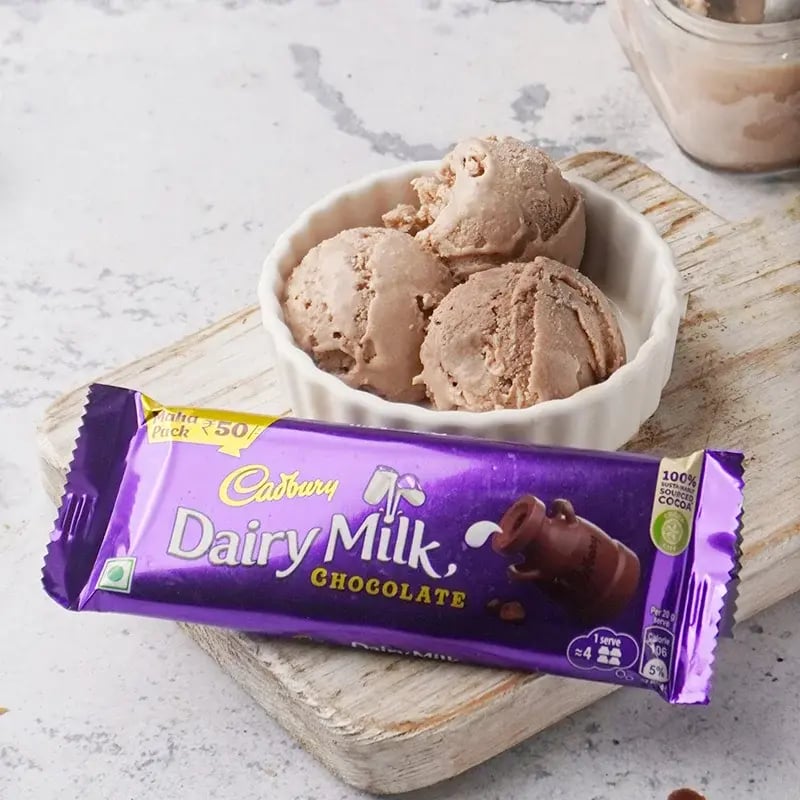
Chocolate Peanut Butter Ice Cream Recipe – Creamy Homemade Chocolate Ice Cream with Peanut Butter Recipe
 Sunita Chakrabarty

Sunita Chakrabarty
 Published: Aug 07, 2024
Last Updated Date:Jun 25, 2026
Published: Aug 07, 2024
Last Updated Date:Jun 25, 2026


A chocolate ice cream recipe blending peanut butter and chocolate creates a creamy frozen dessert with smooth texture and reliable consistency after freezing.

Difficulty:medium

Serves:6

Time:30 mins

Contains egg: No
When you open your freezer for a bowl of your favorite ice cream after a long day, we bet you discover that the little ones have eaten it all by supper. Drinking wine, unwinding, and falling asleep is the best option, as it's much too late to get to the shop. What if we told you that creating homemade ice cream is quite simple? Enjoy your snack time after making your ice cream in the morning.
The whole family will love this chocolate peanut butter ice cream. Is there a better pairing t......Read More
Ingredients You Need
for Chocolate Peanut
Butter Ice Cream
6
Servings
For the Recipe
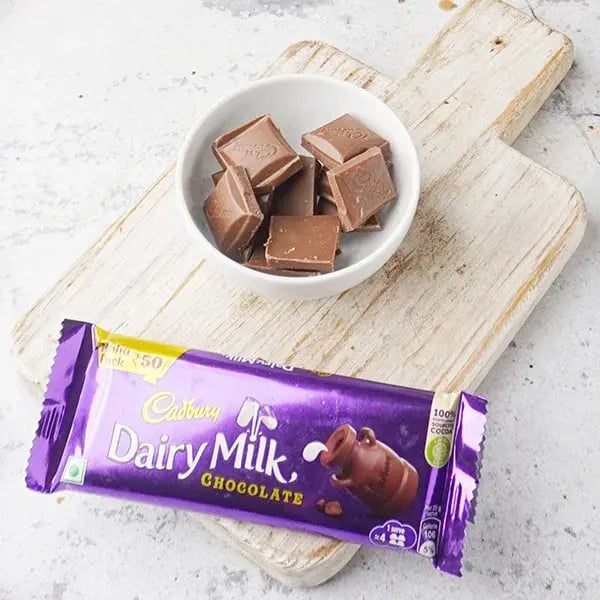
- 100 gm chocolate
- 1 spoon peanut butter
- ½ cup cream
- ½ cup warm milk
- 1 spoon sugar
Optional:
- Vanilla extract
- Chocolate chips
- Crushed nuts
How to Make Chocolate Peanut Butter Ice Cream at Home (Step-by-Step Guide)
Step 1 — Melt Chocolate with Milk
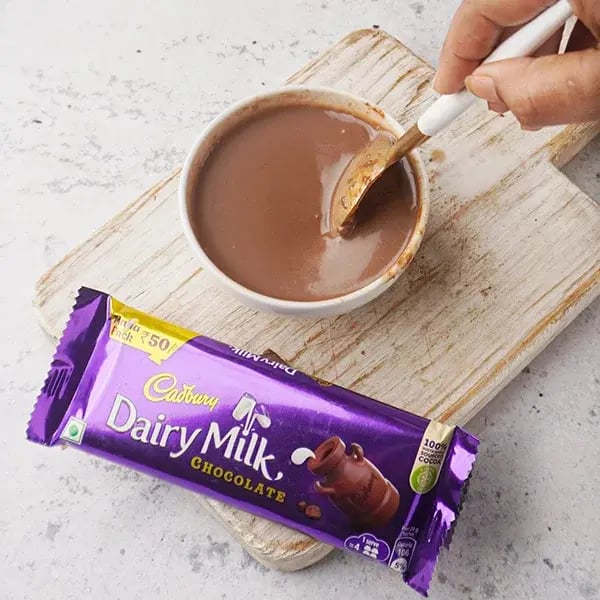
In a small saucepan, heat the full fat milk until steaming (but not boiling) over low heat. Remove from heat, stir in the finely chopped dark chocolate, let sit for 1 minute and stir from the center out until completely smooth. The milk is hot enough to melt the chocolate all the way through without double boiling. Let the chocolate milk cool to room temperature.
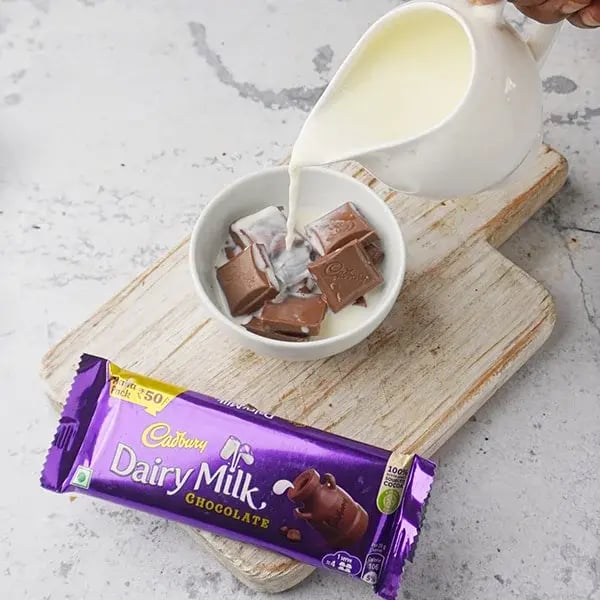
Step 2 — Blend with Sugar and Peanut Butter
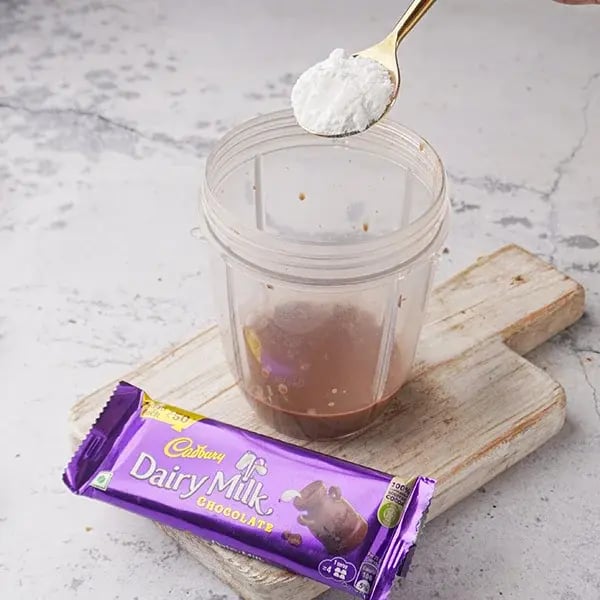
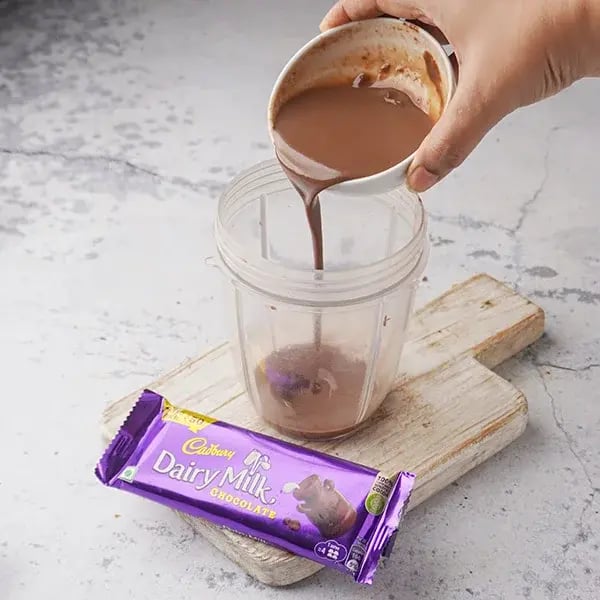
Place the chilled chocolate milk, caster sugar and smooth peanut butter into a blender. Blend on high speed for 45 seconds or until completely smooth and homogenous (no visible peanut butter streaks or sugar granules). The mixture should be well mixed and look dark brown and slightly glossy. At this point you can add the optional vanilla extract.
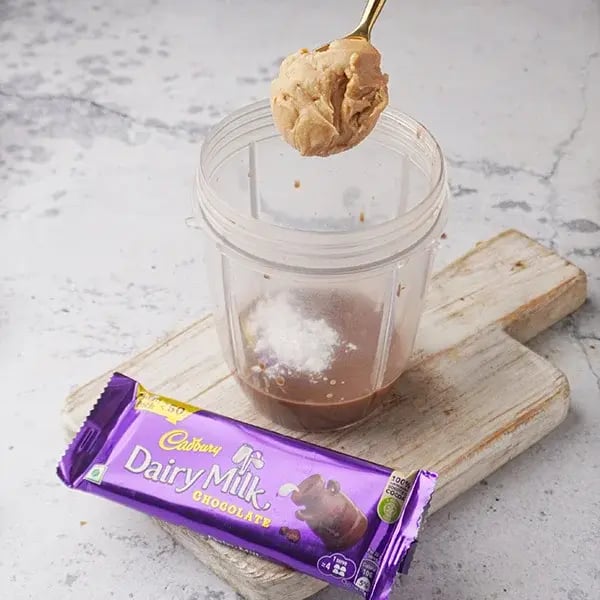
Step 3 — Add Cream
In another chilled bowl, beat the heavy cream with a hand mixer until stiff peaks form. Add 1/4 of the whipped cream to the peanut butter chocolate mixture and stir firmly to lighten the density of the mixture. With broad slow strokes, fold remaining whipped cream into lightened chocolate peanut butter base in two additions, stopping as soon as no white cream streaks remain.
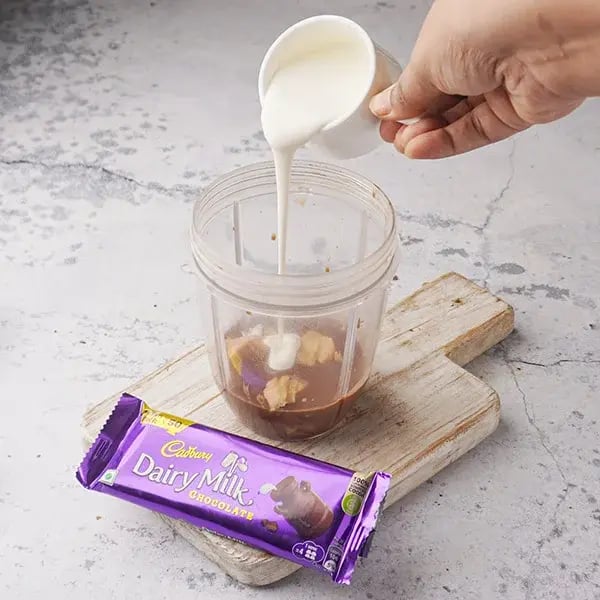
Step 4 — Mix Until Smooth and Freeze
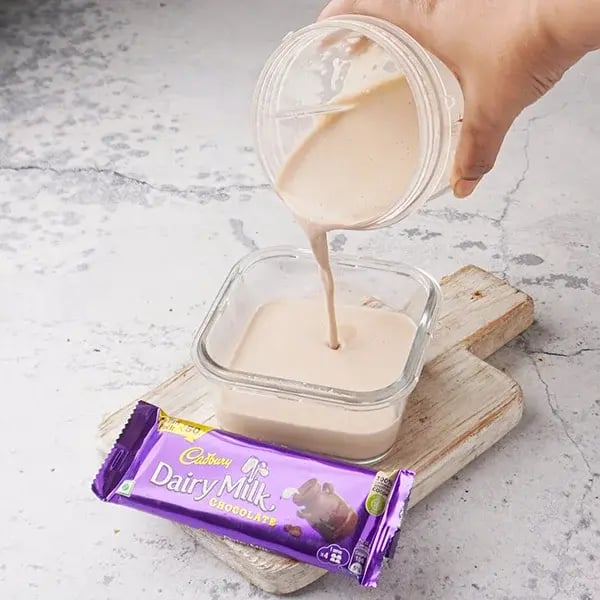
Pour the mixture into a shallow, wide, freezer-safe container and press plastic wrap directly on top. Freeze for 2 hours. Remove and process or whisk vigorously for 60 seconds to break up ice crystals. Add chips or crushed peanuts if desired, fold in at this mid-freeze stage. Cover and return to the freezer for at least 4 more hours.
Step 5 — Scoop and Serve
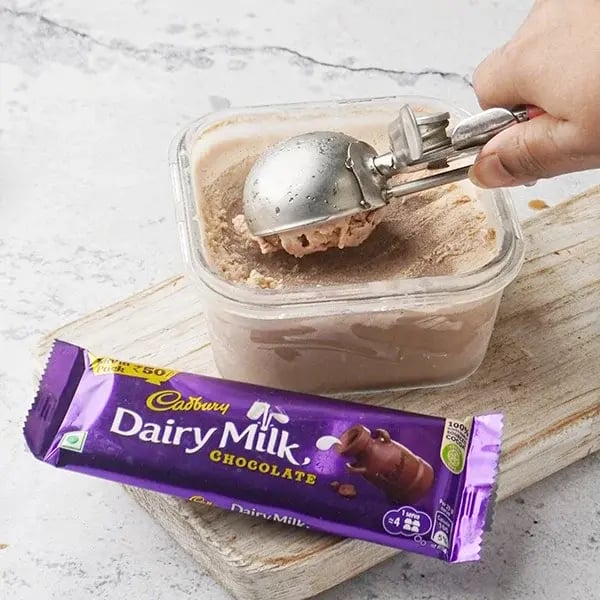
Let the chocolate peanut butter ice cream sit at room temperature for 5 minutes before serving. Serve immediately, dipping into bowls and adding any garnish, whether extra melted dark chocolate drizzled in a thin stream, a small spoon of extra peanut butter, or a scatter of crushed roasted peanuts.
What Makes This a Creamy Homemade Ice Cream?
The whipped cream and peanut butter work together to give this preparation a creamy texture that resembles ice cream in its structure. Whipping heavy cream to stiff peaks adds a lot of air structure to the base.
The aeration is what no-churn homemade ice cream methods rely on instead of the mechanical churning that commercial machines do. The natural oil content of the peanut butter — around 50% fat by weight — lowers the freezing point of the mixture, meaning the ice crystal network forms more slowly and produces smaller, finer crystals than a plain milk-and-cream base would generate at the same temperature.
The chocolate cream component, made with melted dark chocolate and whole milk, adds cocoa butter that further enhances the smooth mouthfeel of the frozen preparation. When we combine these 3 fats , cream fat , peanut oil , and cocoa butter , we get a chocolate ice cream that is smoother and richer than the one made with a single fat source.
Chocolate Ice Cream vs Chocolate Peanut Butter Ice Cream
It is a classic chocolate ice cream with a cream and cocoa base. It has a clean, straightforward chocolate flavor. It is rich, sweet, and even cocoa-forward in every spoonful. The chocolate peanut butter ice cream adds a secondary flavor dimension, taking each spoonful toward more complexity: the first impression is chocolate, the middle flavor is the roasted-savory peanut note, and the finish bears the slight salt character that defines the peanut butter chocolate pairing at its best.
Texture-wise, the peanut butter flavor is always denser and softer at serving temperature than a plain chocolate ice cream — the peanut oils cut the hardness of the frozen base enough that the difference is noticeable without tempering. The peanut butter version is a lot more indulgent. The peanut butter adds fat, making this a richer, more satisfying per spoonful treat. You can eat less of the peanut butter version and feel just as satisfied as you would eating more of the plain.
Why Peanut Butter Works So Well in Ice Cream
Peanut butter has three different functions in a peanut butter ice cream recipe. It lends richness and body; the naturally dense, oily character of peanut butter provides a base mixture that is far more substantial than a plain cream preparation, and this density translates in the frozen result into a creamier, more yielding, full-textured ice cream. It adds flavor contrast—the savory, roasted, slightly salty character of the peanut butter provides the contrast to the sweetness of the chocolate that makes peanut butter chocolate preparations more compelling than either ingredient alone. It enhances mouthfeel.
The natural peanut oils coat the palate in a way that cocoa butter alone does not, resulting in a round, fat-rich mouthfeel that lingers after the initial hit of chocolate and makes the eating experience feel more generous and satisfying. It’s why peanut butter recipe formats in ice cream always have a higher perceived richness than the calorie content would suggest.
How to Get the Perfect Ice Cream Texture at Home
The secret to success here is proper mixing before the first freeze. The chocolate milk and peanut butter need to be thoroughly homogenized before the whipped cream is folded in, because streaks of undissolved peanut butter in the base will freeze as separate pockets, rather than becoming part of the continuous chocolate peanut butter matrix.
The trick to no-churn homemade ice cream without ice crystals is the mid-freeze blend at the two-hour mark, which destroys the crystal network before the crystals grow big enough to give a gritty texture. Covering the mixture with plastic wrap pressed directly against the surface at each stage – between the initial mix and the first freeze and again after the mid-freeze blend – prevents ice crystal formation at the exposed surface and prevents the absorption of freezer odors. The four hour minimum second freeze - following the mid-freeze blend - allows the crystal structure to re-form at the finer scale achieved by the blend step.
Can You Make This Ice Cream Without an Ice Cream Maker?
Yes, this chocolate peanut butter ice cream is a no-churn recipe. The no-churn method avoids mechanical churning through two specific techniques: whipping the cream to stiff peaks before folding into the base — adding air without agitation — and the mid-freeze blend step, which breaks up growing ice crystals at the two-hour mark. You whip the cream with a regular hand mixer or stand mixer . You do the mid-freeze blend with a blender or food processor .
For best no churn results, whip the cream to true stiff peaks — soft peaks hold too much liquid and form a denser, less airy base that freezes with larger ice crystals. The no-churn quality is really on the same level as a churned preparation for the amounts used in this recipe – the aeration of properly whipped cream, and the fat content of the peanut butter and chocolate, make for a chocolate ice cream that is smooth and scoopable without mechanical aid.
Is This a Rich Chocolate Dessert Worth Indulging In?
Chocolate peanut butter ice cream is a decadent chocolate dessert. The mixture of heavy cream, peanut butter and dark chocolate yields a preparation that is considerably more luxurious per serving than a plain chocolate ice cream preparation. It is proper to regard it as an occasional luxury rather than an everyday food.
The key health-management lever is the customizable sweetness: reducing the caster sugar from 80 grams to 50 grams and using natural peanut butter without added sugar meaningfully reduces the refined sugar content while preserving the full flavor profile. The dark chocolate portion provides a moderate sized serving with a nutritionally meaningful amount of cocoa flavanols. To enjoy this preparation as part of a balanced diet, you may want to consider portion size. A 100 to 120 gram scoop will give you the full flavor complexity without the caloric impact of a larger serving.
Pro Tips for Perfect Chocolate Peanut Butter Ice Cream
Use high-quality chocolate
The scale-up ratio of 120g of smooth peanut butter to 300ml of heavy cream is calibrated to obtain a strong peanut butter chocolate character without the peanut flavor overwhelming the chocolate base. Any more than 150 grams and you have a preparation that tastes more like peanut butter than chocolate with peanut butter. Less than 80 grams yields a preparation in which the peanut character is barely perceptible in the frozen state – cold temperature suppresses flavor intensity, requiring a stronger peanut butter presence in the base than would be needed in a room-temperature preparation.
Balance peanut butter quantity
Any visible streaks of peanut butter in the chocolate milk base before the whipped cream is folded in will turn into textural inconsistencies in the finished peanut butter ice cream – they freeze as denser, more prominent pockets rather than integrating into the continuous matrix. When both parts are in the blender jar, forty-five seconds of high-speed blending results in complete homogenization. The blended base should be a uniform color of dark brown without any lighter or darker streaks.
Blend thoroughly And Freeze properly
This is where the airy, light texture of a good no-churn chocolate ice cream really sings against a dense, heavy frozen block. Too aggressive folding, or a stirring, not folding motion, will deflate the air you whipped in, leading to a denser, less pleasant frozen product. Broad, slow folds up from the bottom of the bowl to the point of visual uniformity maintain the air structure which creates the creamy ice cream texture.
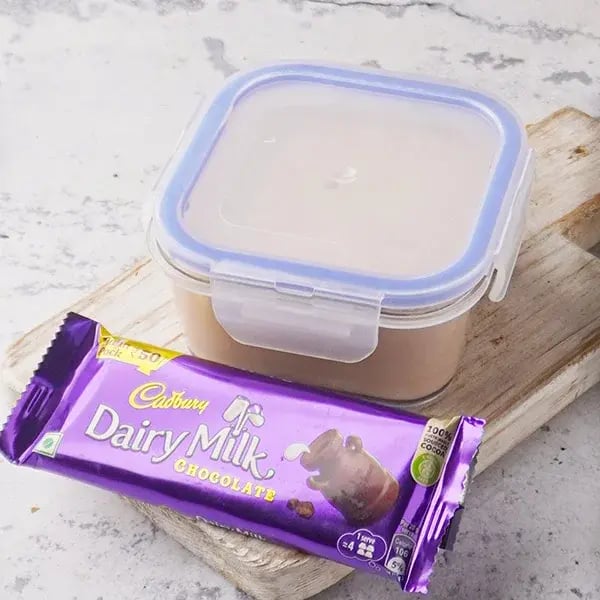
Variations of Chocolate Peanut Butter Dessert You Can Try
You can also make a peanut butter swirl version by preparing the plain chocolate ice cream base without the peanut butter blended in, drizzling 3 tablespoons of warmed peanut butter through the partially frozen mix at the mid-freeze stage, and pulling a skewer through in a figure-eight pattern. The result is a visually appealing preparation, with distinct chocolate and peanut butter zones in each scoop.
For a chocolate peanut butter cup version, 80g of roughly chopped peanut butter chocolate cups are folded into the partially frozen base when it is half frozen. A protein peanut butter ice cream recipe adds a scoop of chocolate protein powder to the base before blending, and then folds in the cream for about 20 grams of protein per serving. Vegan chocolate peanut butter ice cream swaps out the heavy cream for full-fat chilled coconut cream, whipped to stiff peaks, and a dairy-free dark chocolate.
Creative Serving & Presentation Ideas
Drizzling a thin stream of warm dark chocolate over the scoops just before serving creates a chocolate-on-chocolate presentation that makes the main flavor quite clear. A peanut butter swirl topping, a teaspoon of slightly warmed smooth peanut butter dragged across the surface of the scoop with a small spoon, adds a visual element that indicates the secondary flavor of the peanut butter ice cream before the first bite.
Ice cream sandwiches in a portable form, made with two plain butter biscuits, with a generous scoop of the chocolate peanut butter ice cream pressed between them and the exposed edges rolled in crushed roasted peanuts. To assemble the desserts, place the sundae bowls on a tray. Place a base of crushed chocolate biscuits, then add two scoops of the ice cream. Drizzle with warm dark chocolate and scatter with salted peanuts.
Common Mistakes to Avoid While Making Homemade Ice Cream
Overpowering peanut butter flavour
More than 150 grams of peanut butter in 300 ml of cream makes for a preparation in which the peanut flavor completely dominates, destroying the peanut butter chocolate balance. Tasting and measuring the blended base accurately before adding the cream will help get the adjustment right before freezing.
Not blending properly
Textural inconsistencies in the frozen result include visible peanut butter streaks in the chocolate milk base. Blend all of the liquid ingredients together and blend on high for another forty-five seconds to reach the desired consistency.
Incorrect freezing time
If the chocolate peanut butter ice cream is taken out of the freezer before the minimum six to eight hours total freeze time, the preparation will be too soft to scoop cleanly and the crystal structure formation will not be complete.
Skipping cream
The heavy cream in this recipe is both the source of aeration and a primary structural fat. Reducing or skipping it results in a denser, icier preparation without the creamy ice cream texture or the full richness of the intended result.
How to Store Homemade Ice Cream Properly
Store homemade chocolate peanut butter ice cream in a sealed airtight container in the freezer for up to two weeks. The natural oils in peanut butter make for better freeze stability than a plain cream-based preparation; the oils inhibit ice crystal growth more and more over long-term storage, so the texture at the two-week point is closer to the fresh result than a no-peanut-butter preparation of comparable age.
To prevent freezer burn, use plastic wrap pressed onto the surface of the ice cream at every storage point, not just a sealed lid. The wrap must have physical contact with the surface of the ice cream. To best serve, take out of the freezer five minutes before scooping. The peanut butter chocolate ice cream tempers more slowly than a lower-fat preparation because the peanut oils remain semi-solid at a lower temperature than dairy fat.
FAQs About Chocolate Peanut Butter Ice Cream
How to make chocolate peanut butter ice cream creamy? 
The three tricks for that creamy ice cream texture are whipping the heavy cream to full stiff peaks before folding in the base, blending the chocolate milk and peanut butter well before the cream is added, and doing the mid-freeze blend step at the two-hour mark.
Can I use crunchy peanut butter?
Yes, crunchy peanut butter makes a peanut butter ice cream with visible peanut chunks sprinkled through the base giving the texture a bit of crunch. You should still perform the base blending step, as this homogenizes the peanut butter oil into the chocolate milk base.
Can I make this ice cream without cream?
Yes, with a sacrifice in richness -- substituting heavy cream with full-fat chilled coconut cream whipped to stiff peaks yields a similar no-churn structure with a faint coconut undertone.
What is the best chocolate for ice cream?
The best peanut butter chocolate ice cream uses 55-65% cocoa dark chocolate, strong enough to stand up to the cold frozen preparation, but not so bitter that it needs a lot of added sugar to balance the peanut butter.
How long should homemade ice cream freeze?
A fully set, scoopable chocolate peanut butter ice cream will require a total of at least six to eight hours, including the mid-freeze blend at the two-hour mark.
Like This Recipe?

Thank you for rating the recipe!
Recipe by Categories
Popular Articles
Sweet Celebrations Effortless Office Party ...
Unique Festive Confections: Custom And ...
3 mins
Jun 21, 2026
South Indian Rain Comforts: Delicious Indian ...
3 mins
Jun 20, 2026
Divine Devotion: Auspicious Shravan Month Sweet ...
4 mins
Jun 22, 2026
Holy Fasting Treats: A Comprehensive Sawan Vrat ...
4 mins
Jun 23, 2026
Recommended Recipes