
Spiralling Sweetness: Cracking The History Of Jalebi In India
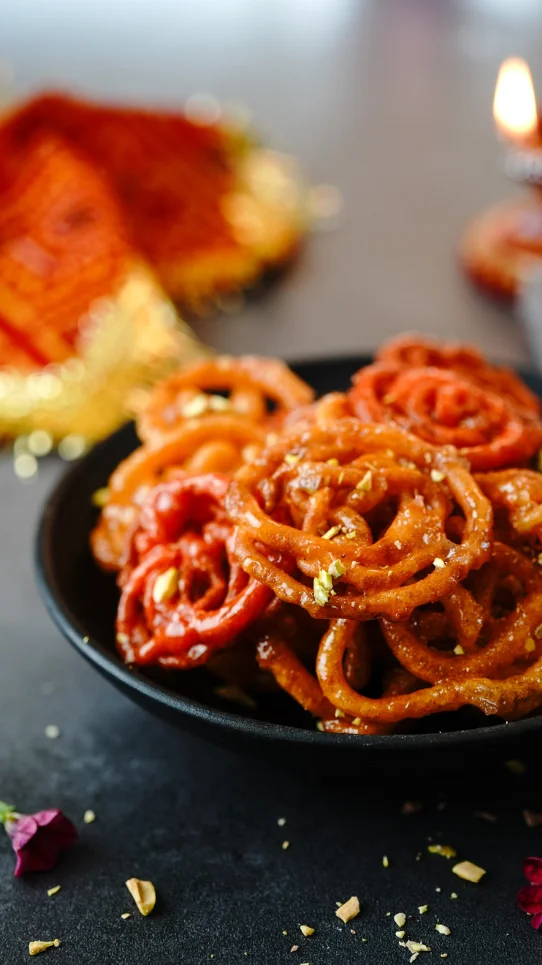
Indian street food scene is rather incomplete without a bite or two of the jalebi. In some parts of the country, it is had with rabdi or curd, and in some as accompanying items with savory dishes. Regardless, jalebi steals the show every time. But how did it come into being? Read more to know.
1.Ancient Origins
According to medieval Indian sources, Jalebi originated there. Today, it has become a national favourite.
2.Persian Connection
Jalebi originated in Persian-speaking countries where "Zolabiya" or "Zalabiya" was popular. India got the idea from the Persian invaders.
3.Global Popularity
Jalebi has spread outside India and has become a beloved treat worldwide.
4.Traditional Preparation
Traditional Jalebi, known as "Kundalika" in Sanskrit, was deep-fried wheat flour batter shaped into ornate shapes and soaked in sugar syrup for sweetness.
5.Regional Variations
Jalebi changed shape, size, and contents to suit regional tastes. This sweet treat is prepared and enjoyed differently in each state.
6.Festive Significance
Jalebi is tasty and signifies joy and prosperity, especially during Diwali.