
Gluten-Free Baking 8 Tips for beginners
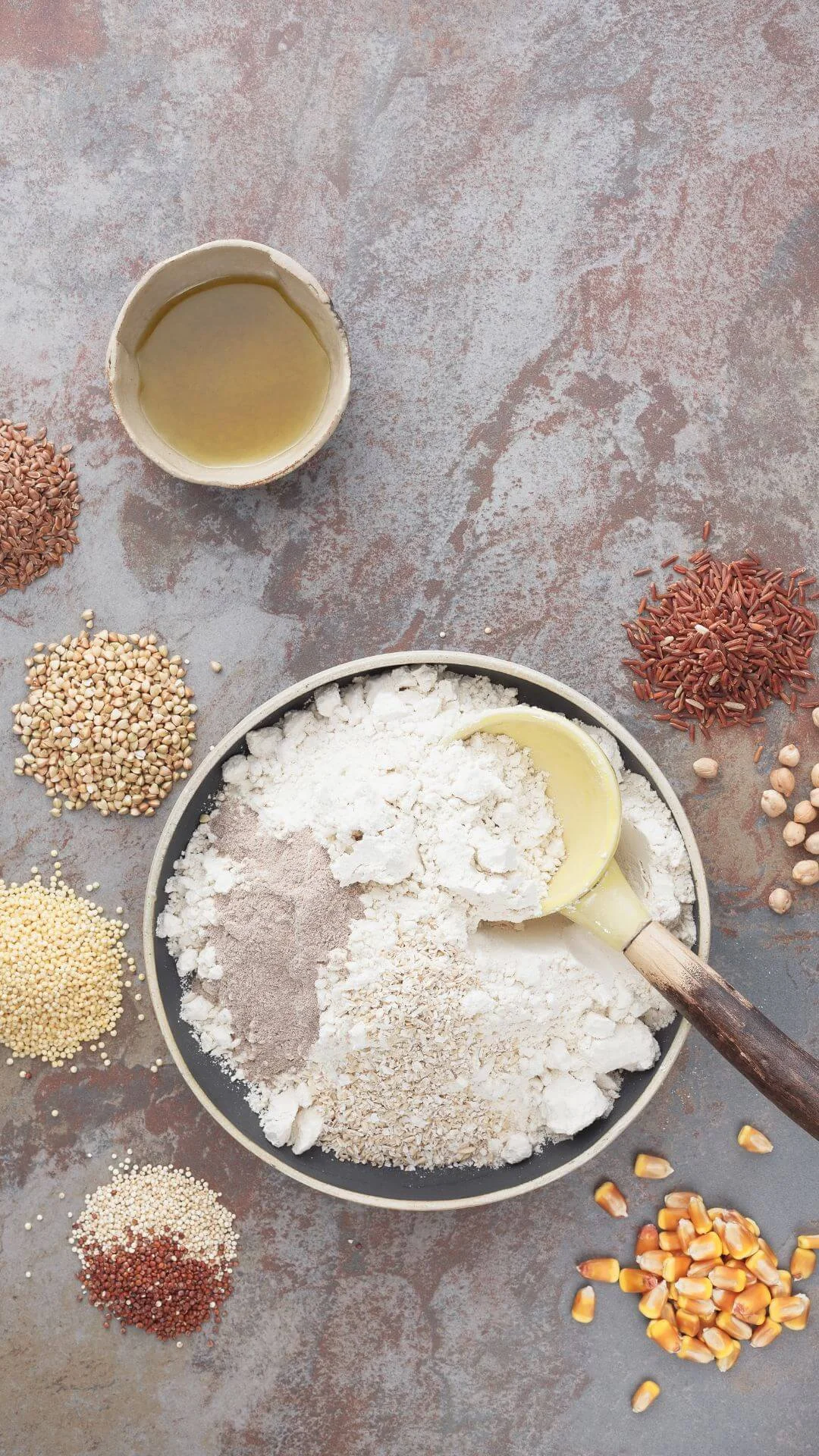
Delving into the world of gluten-free baking unveils diverse flours and creative adaptations. Unique properties of rice, almond, and coconut flours diversify recipes. Gluten-free ratios invite experimentation, demanding precise liquid adjustments for ideal textures. Gluten-free baking requires exploration, offering the chance to create with patience, experimentation, and precise adaptations for flavorful, unique treats.
1.Alternative Flours:
Gluten-free flours, such as rice, almond, coconut, and tapioca, possess unique properties that diverge from those of wheat flour.
2.Empowering Binders:
Xanthan and guar gums help in mimicking the binding properties of gluten found in wheat flour.
3.Prioritising Purity:
When incorporating pre-packaged ingredients, meticulously verify that they bear the esteemed label of "gluten-free."
4.Absorption:
The absorption capacities of gluten-free flours vary significantly. Be prepared to adjust the liquid content in your recipes to achieve the optimal dough consistency.
5.Alternative Binding Agents:
Alternative binding agents like flaxseed meal and chia seeds offer intriguing possibilities. You can add these into your gluten-free baking.
6.Ratio Reimagination:
Unlike the standardised proportions of wheat-based baking, gluten-free recipes often invite exploration and adjustment of flour ratios.
7.Temperature:
Gluten-free baked goods may flourish under slightly higher oven temperatures. Experiment with gentle increases to witness their full potential and achieve that coveted golden-brown perfection.
8.Patience Prevails:
Unlike their wheat counterparts, gluten-free creations require a tad more time for complete cooling and setting.