
A Brief History Of The Mille-Feuille Or The Napoleon
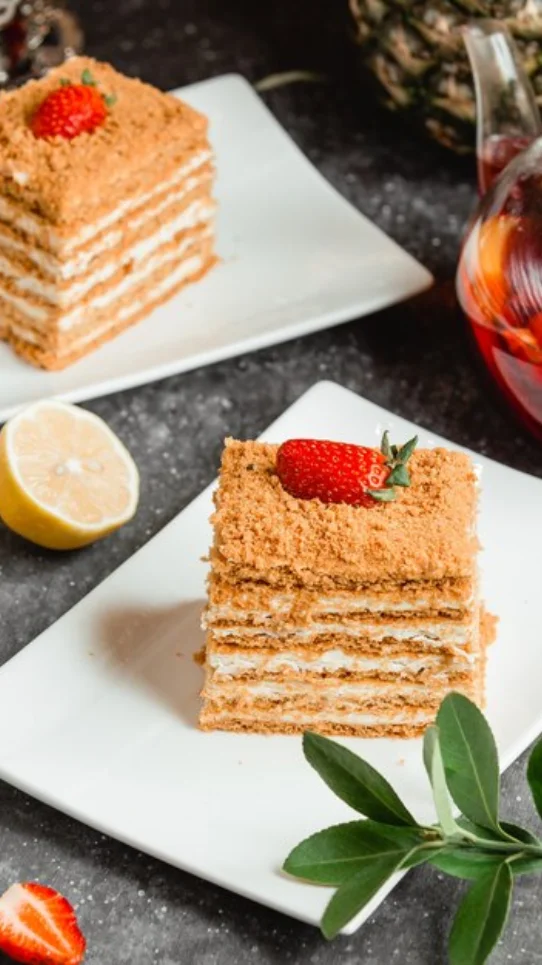
The Mille-feuille, sometimes known as Napoleon, has a fascinating history in 19th-century France. This pastry has become a symbol of culinary elegance since the Napoleonic aristocracy served it, and it evolved with new fillings. Discover its global reach beyond French borders.
1.Mille-feuille’s French origins
Mille-feuille originated in 19th-century France. ‘Mille-feuille’ in French translates to ‘a thousand leaves’. This classic pastry's layers of airy puff and rich pastry cream create a symphony of textures and flavors.
2.Italian connection
A very close relative of Mille-Feuille is known by the name of Napoleon. Here, it doesn’t refer to the French emperor but the Italian region of Naples where the dessert was supposed to be conceived.
3.Evolution and innovation of layers
Pastry chefs added custard, whipped cream, and fruit preserves to the Mille-feuille. The classic recipe became more sophisticated and creative with these adjustments.
4.Mille-feuille beyond France
French upper society favored the Mille-feuille during Napoleonic times for its extravagance and refinement. In the 20th century, the Mille-feuille captivated audiences worldwide. Its complex layers and luxurious contents symbolized patisserie craftsmanship globally.
5.Mille-feuille in the 21st century
The Mille-feuille is a 21st-century culinary icon that showcases French pastry expertise. Be it fine-dining patisseries or social media, its timeless elegance and delicious layers make Mille-feuille a favourite global dessert.
6.Contemporary changes and creative flair
Modern chefs add new flavors and presentations to the Mille-feuille. From exotic fruit infusions to chocolate ganache, these modern versions highlight this pastry's eternal appeal.